Federal Ruling Deals Blow to Automated License Plate Readers Amid Mass Surveillance Concerns
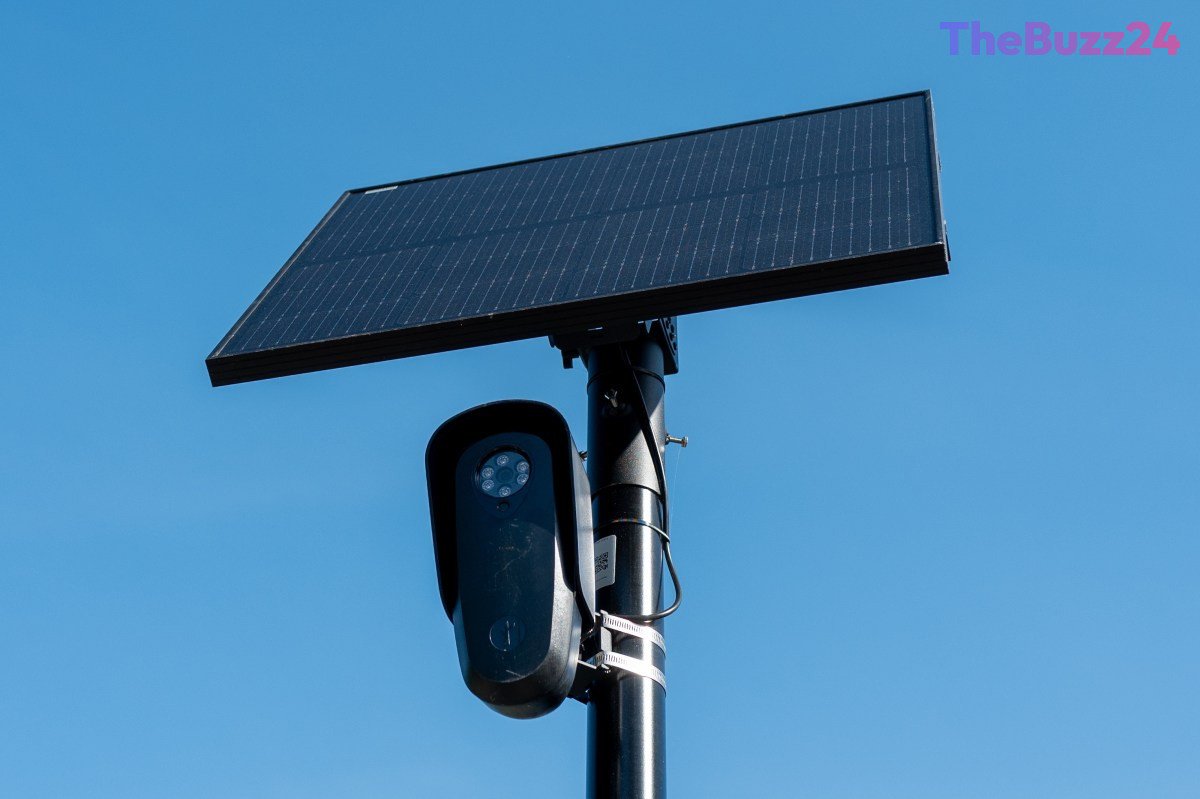
A recent federal court ruling has cast a significant spotlight on the privacy implications of automated license plate reader technology. In a pivotal decision, a federal judge determined that a sheriff’s deputy in Tulsa, Oklahoma, infringed upon a citizen’s constitutional protections against unreasonable searches and seizures when querying a vehicle database without securing a warrant. The magistrate emphasized that law enforcement officials must establish proper legal justification before probing such extensive tracking repositories, noting that the search in question lacked adequate cause beyond the vehicle’s out-of-state registration.
The legal challenge emerged after authorities utilized historical location data compiled by the Flock Safety system to justify a subsequent vehicular search, which ultimately yielded a substantial illicit substance seizure. However, the court ruled that all evidence gathered following the initial digital query was inadmissible due to constitutional violations. The presiding judge sharply criticized the passive, continuous tracking capabilities of modern automated surveillance networks, characterizing them as an alarming form of indiscriminate mass monitoring that catalogs public movements without targeted suspicion.
This judicial rebuke arrives amid escalating scrutiny from lawmakers and privacy advocates nationwide regarding the deployment of automated surveillance infrastructure by public safety agencies. Several state and municipal governments have already curtailed their utilization of these technologies, while federal legislators have introduced measures seeking to restrict federal involvement with such automated tracking tools. Meanwhile, industry leadership has acknowledged the mounting privacy concerns, calling for a balance between public security measures and individual privacy rights as scrutiny intensifies across the sector.
Key Takeaways
- A federal judge ruled that searching an automated license plate reader database without a warrant violates Fourth Amendment protections.
- The court criticized passive mass surveillance networks for indiscriminately cataloging citizens' public movements over extended periods.
- Growing political and legal backlash has led multiple governments to reevaluate or cancel their use of automated tracking technologies.
Editor’s Analysis & Impact
This federal ruling marks a crucial turning point in the ongoing legal and ethical debate surrounding automated surveillance technologies. As law enforcement agencies increasingly adopt automated license plate readers and data-sharing networks, the tension between public safety initiatives and constitutional privacy rights continues to escalate. While this specific ruling does not immediately establish binding nationwide precedent, it signals a growing judicial appetite to scrutinize digital dragnet tools under Fourth Amendment doctrines. For the private sector, particularly companies manufacturing automated monitoring and data-collection infrastructure, this evolving legal landscape introduces substantial regulatory risk. Moving forward, providers of public safety technology will likely face mounting pressure to incorporate stricter privacy controls, mandatory warrant verifications, and transparent oversight mechanisms to survive increasing legislative pushback and corporate cancellations.
Frequently Asked Questions
Q: What prompted the federal judge's ruling regarding license plate readers?
A: The ruling was issued after a sheriff's deputy searched a vehicle database without a warrant, using the location data to justify a subsequent search of the citizen's car.
Q: Why did the court consider the database search unconstitutional?
A: The judge ruled that tracking citizens' movements through automated networks without targeted suspicion or a warrant constitutes an unlawful form of indiscriminate mass surveillance.
Q: How are lawmakers responding to the growing use of automated license plate readers?
A: Various state and local governments have halted their use of the technology, and federal lawmakers have introduced legislation to restrict agencies from utilizing automated license plate reading systems.
AI Disclosure: This article is based on verified data and official reports. Our Team and AI have cross-referenced every financial detail with primary sources to ensure total accuracy.
More from this Category