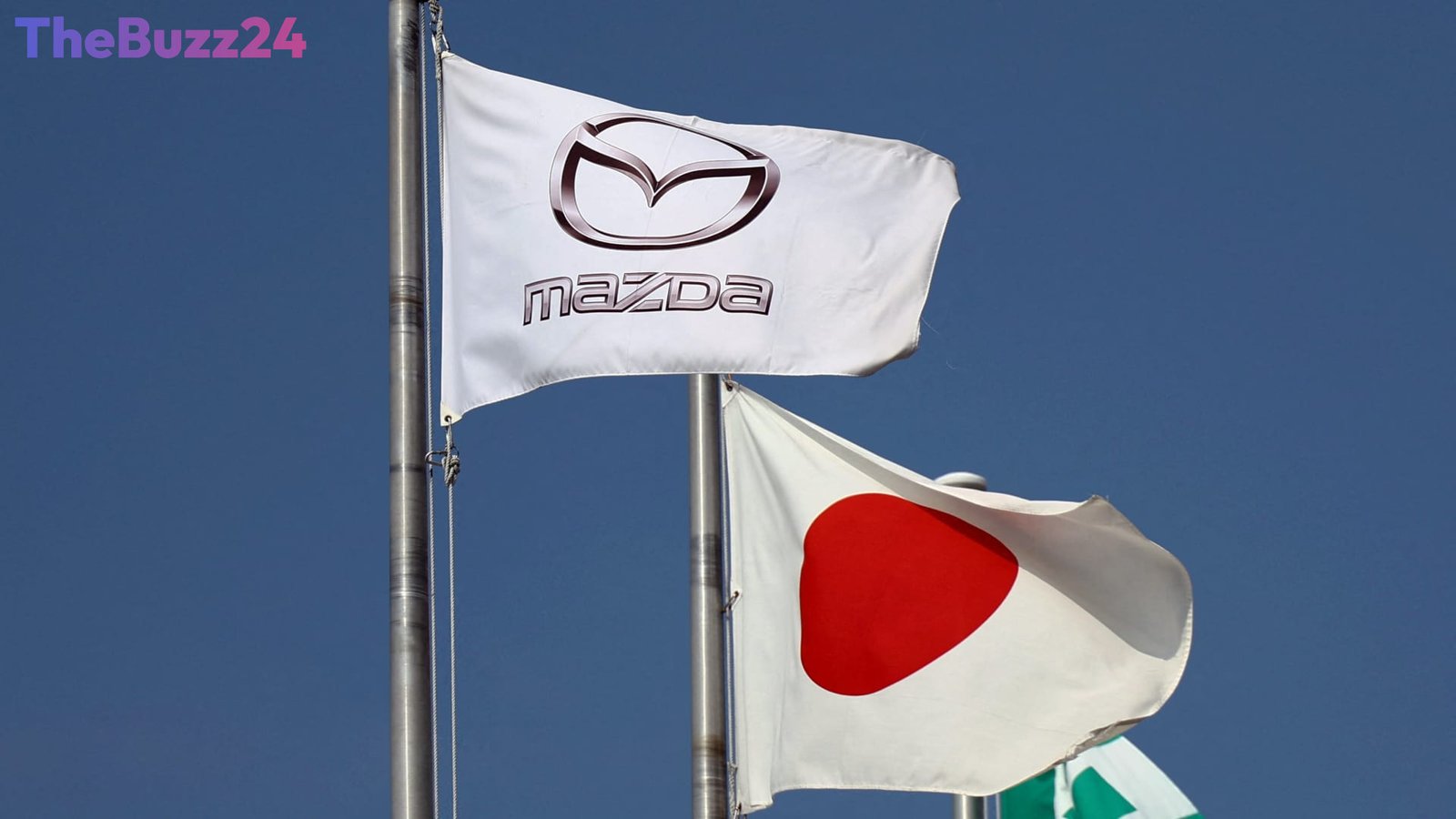
Japanese Companies Flee China in Record Numbers Amidst Rising Tensions and Costs
Japanese companies are exiting China at an unprecedented rate, marking a historic low in the number of businesses operating within the world’s second-largest economy. This significant retreat is driven by a confluence of factors, including escalating geopolitical tensions, rising operational costs, and intense local competition.
Data from Teikoku Databank, a Japanese corporate credit research firm, reveals that the number of Japanese firms in China has fallen to 10,118 as of June. This represents a substantial 22% decrease from the previous survey and a nearly 30% drop from its peak in 2012, reaching the lowest point since tracking began in 2010. Analysts suggest that diplomatic friction between China and Japan has accelerated this trend, pushing companies to re-evaluate their long-standing presence.
The challenges facing Japanese businesses in China are multifaceted. Beyond the diplomatic freeze, companies are contending with increased tariff risks, escalating labor and manufacturing expenses, and fierce competition from domestic Chinese enterprises. These pressures have significantly eroded profit margins, prompting many firms to scale back or completely withdraw their operations. In the past two years alone, a record 4,137 Japanese companies have fully exited the Chinese market, while only 1,221 new entities entered, the lowest figure outside of the pandemic period.
Furthermore, concerns over the safety and treatment of Japanese nationals in China have added another layer of apprehension. Reports of detentions of Japanese executives have contributed to a sentiment among businesses that they are increasingly unwelcome. As a result, many Japanese firms are actively diversifying their investments, with a notable shift towards the United States market, which is actively seeking to bolster its industrial base. This strategic pivot away from China is reshaping global supply chains and investment flows.
Key Takeaways
- The number of Japanese companies operating in China has reached a historic low, declining by 22% in the past year.
- Geopolitical tensions, rising costs, and intense local competition are the primary drivers behind this exodus.
- Japanese businesses are increasingly shifting their investments and operations towards the United States market.
Editor’s Analysis & Impact
The significant withdrawal of Japanese companies from China signals a broader trend of de-risking and supply chain diversification among global businesses. The combination of geopolitical instability, rising operational costs, and a more assertive domestic Chinese market is making China a less attractive investment destination for many foreign firms. This shift benefits alternative markets, particularly the U.S., which is actively encouraging foreign investment to bolster its own industrial capacity. The long-term implications include a potential fragmentation of global supply chains and a recalibration of economic relationships between major Asian powers and the West.
Frequently Asked Questions
Q: Why are Japanese companies leaving China in such large numbers?
A: Japanese companies are leaving China due to a combination of factors including strained diplomatic relations between the two countries, rising labor and manufacturing costs, increased tariff risks, intense competition from local Chinese businesses, and concerns over the safety of Japanese nationals working in China.
Q: Where are Japanese companies relocating their operations?
A: Many Japanese companies are shifting their focus and investments towards the United States market, which is actively seeking to re-industrialize and is seen as a more stable and welcoming environment for foreign investment.
Q: Are all Japanese companies withdrawing from China?
A: No, not all Japanese companies are withdrawing. While many are scaling back or leaving, companies that have successfully localized their operations and can compete effectively with Chinese rivals, such as those in the medical and precision equipment sectors, are more likely to remain.
AI Disclosure: This article is based on verified data and official reports. Our Team and AI have cross-referenced every financial detail with primary sources to ensure total accuracy.
More from this Category