Fusion Startup Type One Energy Secures $200 Million to Advance Commercial Plant
Type One Energy, a Tennessee-based nuclear fusion startup established in 2019, has successfully secured $200 million in fresh funding to accelerate its ambitious timeline toward commercial power generation. The latest financial injection significantly bolsters the company’s standing within the capital-intensive fusion sector, a field that continuously demands immense resources in plasma physics, advanced computing, and materials science.
Leadership expects this Series B financing round to cover roughly half the expenses required to construct a proposed 400-megawatt commercial facility. By targeting a completion date in 2034, executives believe the enterprise can achieve its goals while expending considerably less capital than several industry rivals, even when factoring in anticipated future fundraising efforts. This financial efficiency relies heavily on an outsourced manufacturing strategy rather than traditional vertical integration.
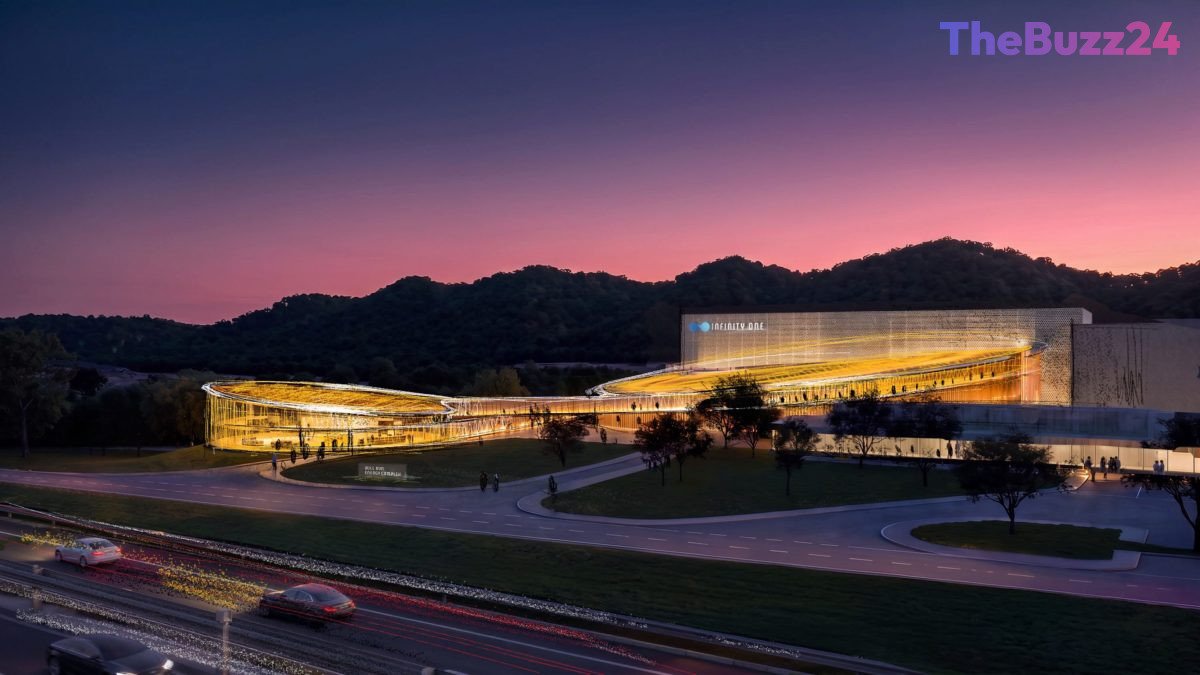
Rather than constructing expensive in-house production facilities, Type One Energy plans to function primarily as an integrator. The organization will design the reactors and key components, delegating physical manufacturing to a specialized network of external partners and suppliers. Key collaborators already onboard include infrastructure consultant AECOM and the Tennessee Valley Authority, where the startup’s initial devices will occupy the Bull Run site. Additionally, the firm utilizes high-temperature superconducting magnet technology licensed from industry competitor Commonwealth Fusion Systems.
While this outsourcing model successfully curbs capital expenditures and leverages external engineering expertise, it introduces distinct supply chain management risks. Observers note that relying heavily on third-party manufacturers can occasionally complicate quality control, though leadership remains confident in its ability to mitigate these challenges. The successful financing round was spearheaded by Breakthrough Energy Ventures and Clutterbuck Capital, alongside contributions from Lowercarbon Capital, Siemens Energy Ventures, and SiteGround Capital, building upon a prior $82.5 million extended Series A.
Key Takeaways
- Type One Energy has raised $200 million in a Series B funding round led by prominent investors including Breakthrough Energy Ventures.
- The startup aims to bring a 400-megawatt commercial fusion power plant online by 2034.
- The company plans to keep costs low by operating as a systems integrator that outsources component manufacturing rather than building expensive in-house factories.
Editor’s Analysis & Impact
The fusion energy sector continues to attract substantial venture capital as clean energy demands accelerate globally. Type One Energy’s strategic pivot toward an integrator model represents a calculated departure from the traditional vertically integrated approach seen in many deep-tech startups. By avoiding heavy capital expenditures on brick-and-mortar manufacturing facilities, the company aims to sidestep the massive financial drains that have historically hindered commercial fusion timelines. However, relying extensively on an external supply chain introduces notable integration and quality-control risks, a vulnerability recently highlighted in other heavy manufacturing sectors. If Type One Energy successfully manages these supply chain dependencies while hitting its 2034 commercialization target, it could establish a highly replicable, capital-efficient blueprint for the broader next-generation energy market.
Frequently Asked Questions
Q: When was Type One Energy founded?
A: Type One Energy was founded in 2019 in Knoxville, Tennessee.
Q: How much total funding has the company raised?
A: Along with its previous $82.5 million extended Series A, the newly announced $200 million Series B brings the startup's total capital raised significantly higher, positioning it among the top-funded fusion ventures.
Q: What is Type One Energy's core manufacturing strategy?
A: The company operates as a systems integrator, designing the power plants and components in-house while partnering with external specialized suppliers to build them, thereby reducing capital costs.
AI Disclosure: This article is based on verified data and official reports. Our Team and AI have cross-referenced every financial detail with primary sources to ensure total accuracy.
More from this Category