The Housing Affordability Crisis Puts Pressure on Young Voters and Key Political Races
Skyrocketing home prices and soaring mortgage rates have transformed housing affordability into a central issue for American voters, particularly among younger generations in critical swing districts. With 30-year fixed mortgage rates remaining stubbornly high and cumulative home prices up nearly 60% since the pandemic, a significant portion of the population is finding themselves priced out of both the rental and ownership markets. Financial experts note that a staggering number of households now spend half or more of their pre-tax income just keeping a roof over their heads, far exceeding traditional financial guidelines.
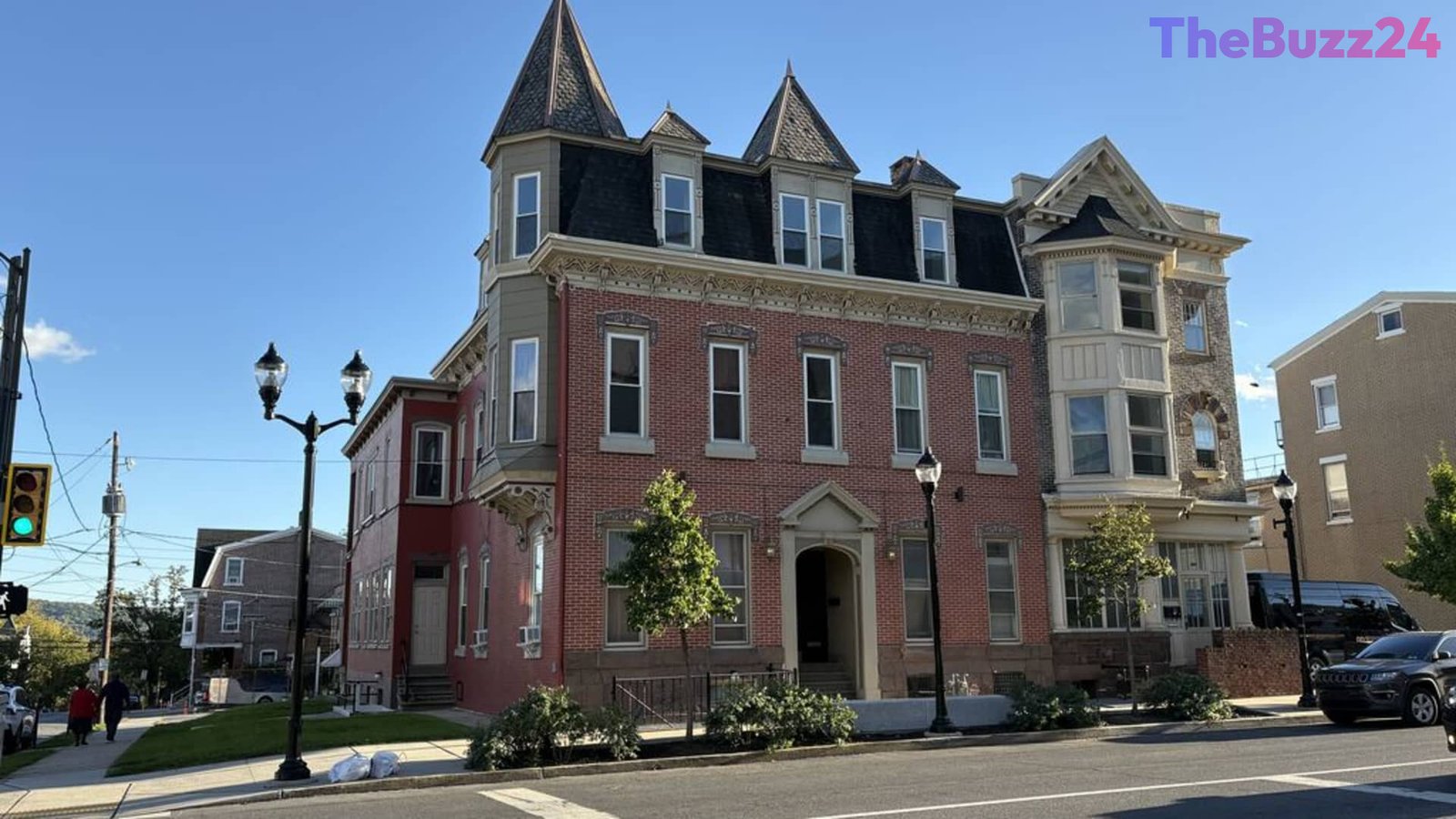
In politically contested regions like Pennsylvania’s Lehigh Valley, these economic pressures are shaping voter sentiment ahead of upcoming midterms. Young adults and first-time homebuyers face formidable barriers, including steep down payment requirements and monthly payments that dwarf historical averages. Even high-income earners and professionals in their twenties and thirties report feeling entirely sidelined, leading some to question the long-term viability of achieving traditional milestones like homeownership.
Political candidates across the aisle are scrambling to address voter frustration with varied strategies, ranging from tax credits and deregulation to cracking down on corporate landlords. However, experts remain skeptical about whether immediate legislative fixes can swiftly alter consumer sentiment or reverse years of systemic supply shortages. As the affordability crunch deepens, the widening gap between housing costs and wage growth continues to fuel widespread economic anxiety among everyday citizens.
Key Takeaways
- One in five Americans with a mortgage or lease spends at least half of their pre-tax income on housing costs.
- Housing affordability has emerged as a top political priority for young voters aged 18 to 34, surpassing many traditional campaign issues.
- Potential homebuyers and renters face mounting challenges due to a combination of high interest rates, limited inventory, and soaring overall prices.
Editor’s Analysis & Impact
The intersection of high mortgage rates and inflated home prices has created an unprecedented affordability crisis that directly impacts consumer confidence and economic mobility. As housing costs consume a larger share of disposable income, discretionary spending in other sectors is bound to contract, posing broader risks to the overall economy. In the political arena, housing is no longer just a localized zoning issue but a powerful mobilizing force for younger demographics who feel structurally locked out of wealth creation. Long-term solutions will likely require massive structural shifts in supply, zoning reform, and innovative financing models to restore balance to the residential real estate market.
Frequently Asked Questions
Q: What percentage of income should ideally be spent on housing?
A: Standard financial guidelines from traditional banks and lenders recommend that consumers spend no more than 28% to 30% of their gross income on housing expenses.
Q: Why are mortgage rates so high?
A: Mortgage rates have surged in response to broader macroeconomic trends, including central bank policies aimed at curbing economy-wide inflation.
Q: How are political candidates responding to the housing crisis?
A: Candidates are proposing various measures, including first-time homebuyer tax credits, zoning deregulation to encourage starter home construction, and initiatives to curb corporate landlord practices.
AI Disclosure: This article is based on verified data and official reports. Our Team and AI have cross-referenced every financial detail with primary sources to ensure total accuracy.
More from this Category