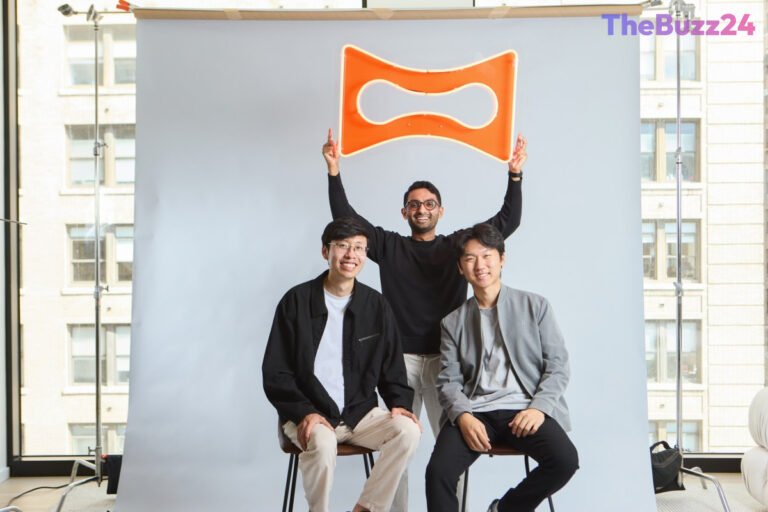
Thiel Fellow Sigil Wen Debuts Underdog, a Privacy-First On-Device AI Assistant
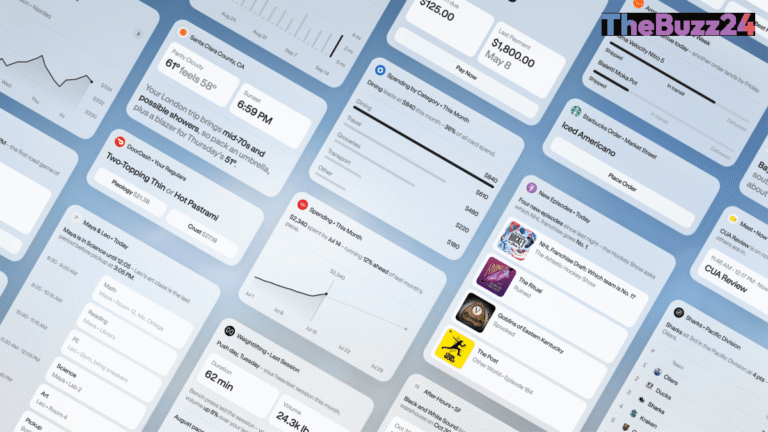
Silicon Valley has a new contender in the artificial intelligence landscape as Thiel Fellow Sigil Wen officially launched the invite-only beta for Underdog, an AI assistant designed with an intense focus on user privacy. Operating entirely on local hardware such as Macs and Windows PCs—with mobile and Linux versions on the horizon—the software ensures that sensitive personal information never leaves the owner’s machine. The system is driven by Husky, a proprietary inference engine engineered for rapid performance on local hardware.
Underpinning Underdog’s architecture is a 27-billion parameter reasoning model fine-tuned from Qwen3.8-27B. While smaller than massive data-center models, developers argue it matches the capability of top-tier systems from recent months, effortlessly managing everyday duties ranging from complex mathematical problem-solving to detailed shopping research. Furthermore, security protocols include the encryption of authorization keys for integrated services like personal email accounts, shielding confidential data from potential breaches.
Rejecting traditional subscription fees or ad-driven monetization, the startup Conway Research is pioneering a novel business model. Supported by prominent backers including Stripe co-founder Patrick Collison and Andreessen Horowitz, Underdog plans to generate revenue by collecting a minor percentage from transactions facilitated through Stripe’s payment infrastructure. This approach eliminates the financial incentive to harvest or sell user data, distinguishing it from competitors who rely on aggressive data collection practices.
Key Takeaways
- Underdog is a new, privacy-focused AI assistant that operates entirely on local hardware, keeping user data off cloud servers.
- Powered by the Husky inference engine and a 27-billion parameter model, the tool handles everyday tasks without sacrificing performance.
- The platform uses a unique monetization strategy by taking a small percentage of transactions via Stripe rails rather than relying on ads or data harvesting.
Editor’s Analysis & Impact
The launch of Underdog marks a significant philosophical shift in the AI assistant market, directly challenging the dominant cloud-based data collection paradigms established by major tech giants. By shifting inference workloads directly to the consumer’s hardware, Conway Research successfully sidesteps the massive infrastructure costs that typically necessitate heavy subscription fees or intrusive ad-targeting models. The innovative transaction-fee revenue model, backed by fintech heavyweights like Patrick Collison, proves that alternative monetization is viable in the generative AI space. If successful, this hardware-local, privacy-first approach could force industry competitors to reevaluate their own data retention and monetization policies, potentially setting a new gold standard for consumer trust in AI.
Frequently Asked Questions
Q: How does Underdog protect user privacy?
A: Underdog runs entirely on the user's local hardware rather than cloud servers, and it encrypts all authorization keys for connected accounts like email, ensuring personal data stays private.
Q: What is the business model behind Underdog?
A: The application is free to use and ad-free. Instead of charging a subscription, it generates revenue by taking a small percentage of payment transactions processed through Stripe's secure infrastructure.
Q: What hardware is currently supported by Underdog?
A: The beta currently runs locally on Macs and Windows PCs, with upcoming support planned for Linux, iPhone, and Android devices.
AI Disclosure: This article is based on verified data and official reports. Our Team and AI have cross-referenced every financial detail with primary sources to ensure total accuracy.
More from this Category