The Friction of Autonomy: Why Websites Are Locking Out AI Agents
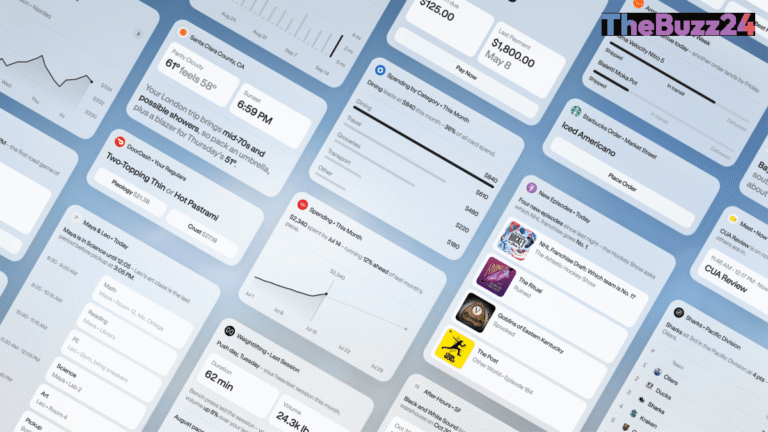
A new generation of personal AI agents, such as Meta’s Muse, Instinct, and ChatGPT’s Dots, is transforming how consumers interact with the digital world. These tools are designed to perform complex tasks on behalf of users, including booking travel, managing grocery orders, and scheduling appointments. However, as these agents attempt to navigate the web, they are increasingly hitting a digital wall: aggressive anti-bot security measures that treat helpful AI assistants as malicious traffic.
Retailers and service providers often employ sophisticated security protocols to prevent spam, data scraping, and cyberattacks. Unfortunately, these systems frequently fail to distinguish between a malicious bot and a user-authorized AI agent. This has led to widespread consumer frustration, as agents are blocked from completing legitimate transactions on sites ranging from major retail platforms to airline booking portals. In some instances, even when a company intends to support AI integration, the technical implementation of human-verification challenges—such as CAPTCHAs—can cause an agent’s session to crash, effectively locking the user out.
Recognizing the growing conflict, a coalition of industry leaders including Meta, Walmart, Stripe, and several others has begun collaborating on an open standard. This initiative aims to create a protocol that allows businesses to identify and authorize ‘good’ AI agents while maintaining security against bad actors. The goal is to move away from the current binary of ‘allow or block’ toward a more nuanced framework that supports the rise of agentic commerce.
Until these standards are widely adopted, the landscape remains fragmented. Some companies, like Yelp, require formal data licensing agreements for any non-human traffic, while others, such as Delta and United, maintain strict policies against unauthorized automated activity. As the industry shifts toward an agent-first web, the ability for businesses to safely welcome these digital assistants will likely become a critical factor in maintaining customer loyalty and operational efficiency.
Key Takeaways
- Personal AI agents are frequently being blocked by website security measures designed to stop malicious bots and scrapers.
- The lack of a standardized protocol makes it difficult for websites to distinguish between helpful user-authorized agents and harmful automated traffic.
- Major industry players are now working on an open standard to facilitate secure, authorized communication between AI agents and commercial websites.
Editor’s Analysis & Impact
The struggle between AI agents and website security represents a pivotal moment in the evolution of the internet. We are moving from a ‘search and click’ paradigm to an ‘agent-driven’ model, which fundamentally challenges the current architecture of web security. The market impact is significant: businesses that fail to integrate with these agents risk losing a growing segment of tech-savvy consumers who prefer automated convenience. Conversely, companies must balance this accessibility with the need to protect proprietary data and prevent server-crushing bot traffic. The development of an open standard is the most logical path forward, as it provides a framework for trust. In the long term, we expect to see a ‘verified agent’ ecosystem where platforms provide APIs specifically for AI, turning what is currently a technical nuisance into a new channel for commerce and customer engagement.
Frequently Asked Questions
Q: Why are my AI agents failing to complete purchases on some websites?
A: Many websites use automated security tools to block bots. These tools often cannot distinguish between a malicious bot and a helpful AI agent, causing the agent to be blocked or interrupted by security challenges like CAPTCHAs.
Q: Is there a solution being developed to fix this blocking issue?
A: Yes, a group of industry partners, including Meta and various retailers, is working on an open standard to help websites identify and authorize legitimate AI agents, allowing them to function safely on commercial platforms.
AI Disclosure: This article is based on verified data and official reports. Our Team and AI have cross-referenced every financial detail with primary sources to ensure total accuracy.
More from this Category