Tensions Mount in France as Protesters Clash with Police Over Education Funding and Repression
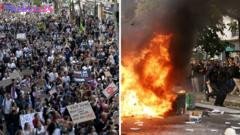
France is currently experiencing a widespread wave of public unrest, as hundreds of thousands have mobilized across the nation. What began as protests led by high-school students demanding better educational resources and an end to what they term police repression has rapidly expanded, drawing in parents, university students, and labor unions, signaling a broader societal discontent.
In the capital, Paris, large contingents of teenagers initiated marches from the historic Place de la République. Their core message resonated with calls for substantial increases in school funding and a significant reduction in perceived heavy-handed tactics by law enforcement. This dual focus on educational investment and civil liberties underscores the multifaceted nature of the grievances driving the demonstrations.
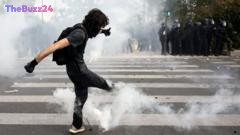
Authorities have responded to the widespread protests with various crowd control measures. Clashes between demonstrators and police were reported in Lyon, while tear gas was deployed to disperse gatherings in both Paris and Marseille. The city of Rennes also saw the use of water cannons. While these interventions occurred, the level of serious trouble appeared to be less pronounced than in some past protest movements, yet the sheer scale and geographical spread of the current demonstrations highlight persistent tensions within French society.
Key Takeaways
- Massive protests involving students, parents, and unions have erupted across France.
- Demonstrators are demanding increased school resources and less police repression.
- Police have used tear gas, water cannons, and engaged in clashes in multiple cities.
Editor’s Analysis & Impact
These widespread protests in France signal a critical juncture for the government, particularly concerning its education policies and approach to public dissent. The convergence of students, parents, and unions suggests a deep-seated frustration that extends beyond specific policy changes, touching upon broader issues of social equity and state authority. The government faces the challenge of addressing these demands without appearing to capitulate, while also avoiding further escalation of tensions through heavy-handed policing. The long-term implications could include a re-evaluation of educational funding models, a review of police crowd control tactics, and potentially a shift in the political landscape if the unrest persists. This situation could also inspire similar movements in other European nations grappling with austerity measures and social inequalities.
Frequently Asked Questions
Q: Who is participating in the protests across France?
A: High-school pupils initially led the protests, but they have since been joined by their parents, university students, and various labor unions.
Q: What are the main demands of the protesters?
A: The demonstrators are primarily calling for more resources and funding for schools, alongside a demand for less repression and perceived heavy-handed tactics from the police.
Q: How have authorities responded to the demonstrations?
A: Police have clashed with demonstrators in cities like Lyon, used tear gas in Paris and Marseille, and deployed water cannons in Rennes to manage the crowds.
AI Disclosure: This article is based on verified data and official reports. Our Team and AI have cross-referenced every financial detail with primary sources to ensure total accuracy.
More from this Category