France Erupts: Tear Gas and Protests Grip Nation as Students Demand Better Schools
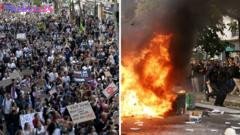
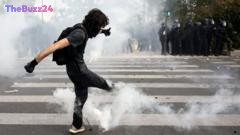
Across France, a wave of student-led protests has escalated, drawing hundreds of thousands into the streets and sparking clashes with law enforcement. What began as a localized outcry over school conditions has broadened into a national movement, with parents, university students, and labor unions joining the demonstrations. In major cities like Paris and Marseille, riot police deployed tear gas and water cannons to disperse crowds, highlighting the growing tension between protesters and authorities.
The demonstrations, dubbed “Act Three” by organizers, saw significant participation, with student unions estimating over 450,000 people marching nationwide. Protesters voiced grievances ranging from overcrowded classrooms and dilapidated facilities to a perceived lack of resources and what they describe as excessive police repression. Students in Marseille lamented leaking ceilings and poor learning environments, vowing to continue their actions until meaningful changes are implemented.
Government officials have acknowledged the scale of the unrest, with the Prime Minister reporting significant numbers of injuries on both sides, including students, staff, and police officers. The Ministry of Interior stated that thousands have been stopped or arrested since the protests began. While the government has offered some measures, such as a platform for grievances and internal school discussions, these have largely failed to appease the demonstrators. Further protests are already being planned, indicating a prolonged period of unrest.
Adding a somber dimension to the protests are serious allegations of police misconduct. The national police inspectorate is investigating several incidents, including a case where a police officer was charged with “violence resulting in mutilation or permanent disability” after a tear-gas grenade incident injured a 14-year-old student. Another incident involved a 15-year-old whose hand was reportedly blown off during a confrontation, with conflicting accounts from authorities and students regarding the circumstances.
Key Takeaways
- Nationwide protests in France, involving students, parents, and unions, are demanding improved school conditions and less police repression.
- Clashes with police have occurred in several cities, with tear gas and water cannons used, and significant numbers of arrests and injuries reported.
- Serious allegations of police misconduct, including severe injuries to students from tear gas and grenades, are under investigation.
Editor’s Analysis & Impact
The escalating student protests in France signal a deep-seated dissatisfaction with the current state of the education system, extending beyond mere infrastructure issues to broader concerns about resources and police conduct. The government faces a critical challenge in addressing these grievances effectively, especially with upcoming presidential elections potentially politicizing the movement. The involvement of unions and the widespread public support suggest this is more than a fleeting student fad; it’s a symptom of systemic issues that could have lasting implications for social cohesion and educational policy in France. The government’s response will be closely watched, as will the potential for further escalation or resolution.
Frequently Asked Questions
Q: What are the main demands of the protesting students in France?
A: The protesting students are demanding better resources for schools, improvements to dilapidated facilities, solutions for overcrowded classrooms, and an end to what they describe as excessive police repression during demonstrations.
Q: Have there been any injuries or arrests related to the protests?
A: Yes, there have been significant numbers of injuries reported among students, staff, and police officers. The French Ministry of Interior has also reported thousands of stops or arrests since the protests began.
Q: What is the government's response to the protests?
A: The government has acknowledged the scale of the protests and reported on injuries and arrests. They have offered some measures, such as a platform for students to voice grievances and internal school discussions, but these have not yet satisfied the protesters.
AI Disclosure: This article is based on verified data and official reports. Our Team and AI have cross-referenced every financial detail with primary sources to ensure total accuracy.
More from this Category