President Trump Dismisses Bioweapon Concerns Regarding Russian Plague Death
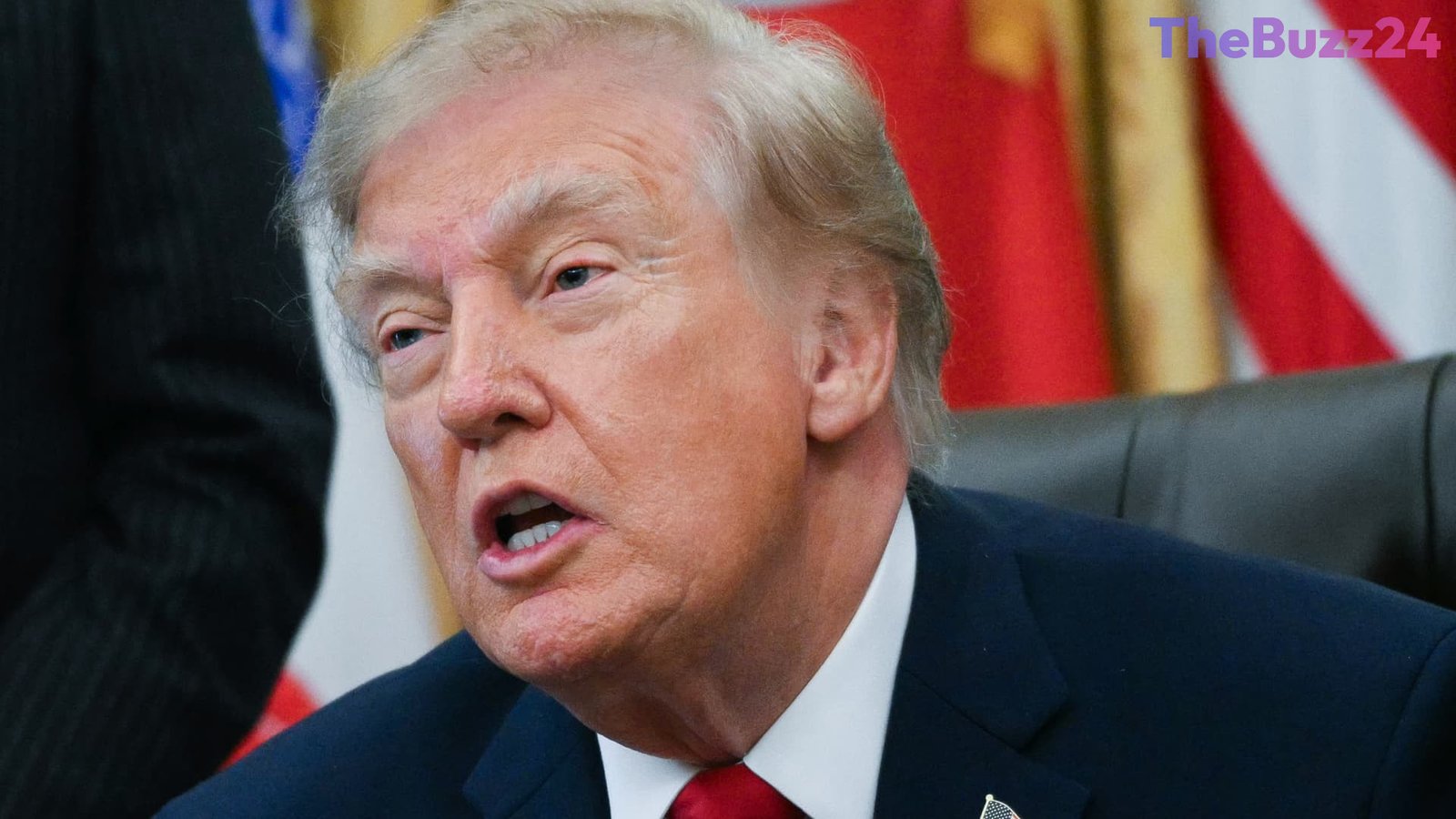
President Donald Trump has stated that the United States does not believe the recent death of a laboratory worker in Russia, linked to a suspected case of the plague, is the result of a bioweapon. The incident, which occurred at an anti-plague research facility in the Irkutsk region of eastern Siberia, has led to nearly 200 individuals being placed under medical observation as a precautionary measure.
During an event at the Oval Office, the President addressed inquiries regarding the nature of the outbreak. While acknowledging that Russia has provided limited information, similar to the early stages of the Covid-19 pandemic, he noted that Russian officials maintain the situation is currently under control. Trump emphasized that the U.S. intends to continue monitoring the situation to verify these claims.
In addition to discussing the health crisis, the President confirmed plans to speak with Russian President Vladimir Putin. The scheduled conversation coincides with Putin’s 74th birthday. While the call serves as a diplomatic gesture, it also provides an opportunity for the two leaders to discuss the ongoing health situation in Siberia directly.
Key Takeaways
- President Trump stated the U.S. does not view the Russian plague death as a bioweapon incident.
- Nearly 200 people in Siberia's Irkutsk region are under medical observation following the death of a lab worker.
- President Trump plans to discuss the situation with Vladimir Putin during a scheduled birthday call.
Editor’s Analysis & Impact
The situation in Irkutsk highlights the ongoing sensitivity surrounding international health reporting and the potential for geopolitical friction when infectious diseases emerge in high-security research environments. By publicly addressing the bioweapon speculation, the administration is attempting to balance diplomatic caution with the need for transparency. The comparison to the early days of the Covid-19 pandemic underscores a broader global anxiety regarding information sharing during health crises. Moving forward, the international community will likely demand more rigorous data from Russian health authorities to confirm the containment of the pathogen. If the situation escalates, it could strain U.S.-Russia relations further, as the incident touches upon both public health security and the broader distrust regarding state-controlled research facilities.
Frequently Asked Questions
Q: Is the plague outbreak in Russia considered a bioweapon attack?
A: No, President Trump stated that the U.S. does not believe the incident is the result of a bioweapon.
Q: How many people are under observation in Russia due to the plague incident?
A: Nearly 200 people in the Irkutsk region of eastern Siberia have been placed under medical observation.
AI Disclosure: This article is based on verified data and official reports. Our Team and AI have cross-referenced every financial detail with primary sources to ensure total accuracy.
More from this Category