The Economic Aftermath: How Large-Scale Immigration Enforcement Ripples Through Local Business and Labor
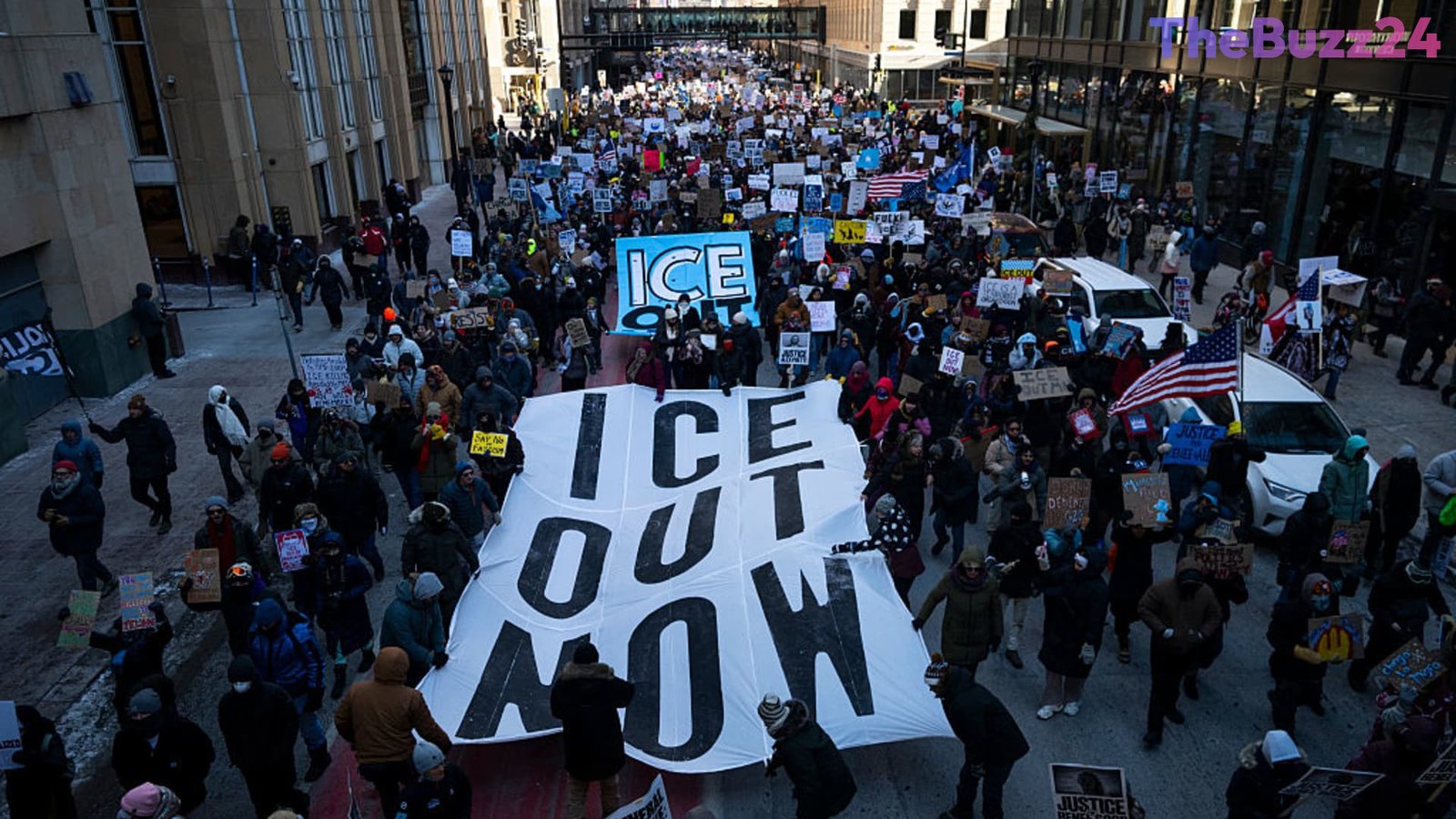
Major federal immigration enforcement sweeps launched across several U.S. cities have left behind more than just policy debates, triggering measurable and lasting economic contractions in targeted communities. Months after high-profile operations concluded, local business owners, economists, and civic leaders continue to tally the severe financial fallout, which many compare to the effects of a localized natural disaster.
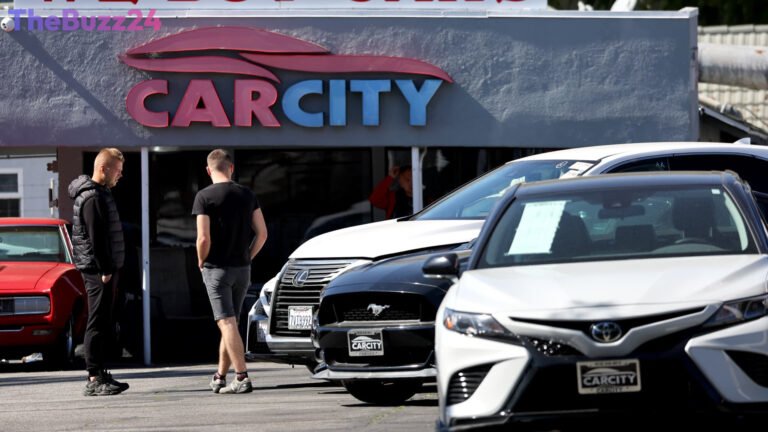
In Minneapolis, where a months-long Department of Homeland Security operation severely impacted commercial corridors, independent merchants report steep sales declines and dwindling foot traffic. Grocery stores, restaurants, and cultural venues have struggled to regain momentum even long after enforcement activities subsided. Business districts with high concentrations of immigrant-owned enterprises experienced dramatic revenue shortfalls, leaving many local entrepreneurs fighting to avoid eviction and closure.
Academic research and localized data analyses indicate that cities subjected to intense immigration sweeps experienced significant dips in weekly foot traffic and overall consumer spending. The resulting localized recessions depressed regional employment rates and labor force participation, pushing unemployment figures above national averages in heavily impacted states. Although municipal governments and philanthropic organizations deployed emergency relief funds and rental assistance, community advocates note that these financial cushions have proven insufficient to fully reverse the damage.
Beyond immediate business losses, the broader Hispanic American economy—a major engine for national gross domestic product growth—has faced heightened consumer caution and spending slowdowns. While community-led revitalization efforts and public events have begun to show tentative signs of returning foot traffic, lingering apprehension among residents and workers continues to pose a challenge to sustained economic recovery.
Key Takeaways
- Cities targeted by large-scale immigration enforcement operations experienced noticeable declines in local foot traffic and consumer spending.
- Small business owners in heavily impacted corridors reported steep sales drops, leading to commercial closures and housing eviction risks.
- Economists note that localized enforcement surges can create recession-like conditions that depress regional labor markets and overall economic activity.
Editor’s Analysis & Impact
The economic ramifications of aggressive federal immigration enforcement extend far beyond the immediate regulatory scope, deeply impacting micro-economies and localized consumer behavior. As demonstrated in metropolitan hubs like Minneapolis, abrupt declines in foot traffic and workforce stability generate a ripple effect that damages small businesses, strains municipal budgets, and diminishes commercial tax revenues. While short-term emergency funding and community-led festivals provide temporary relief, the lingering psychological barrier of fear among consumers and workers creates structural hurdles to recovery. Policymakers and local leaders must increasingly account for these secondary economic shocks when evaluating the holistic impact of large-scale federal actions on domestic commerce and regional labor markets.
Frequently Asked Questions
Q: How did large-scale immigration enforcement impact local businesses?
A: Targeted communities experienced significant drops in foot traffic, consumer spending, and sales, leading many small business owners to struggle with rent, debt, and potential eviction.
Q: What broader economic effects were observed in affected cities?
A: Studies and local data showed regional employment shortfalls, lower labor force participation rates, and millions of dollars in lost economic activity, effectively creating recession-like conditions in specific neighborhoods.
Q: Have affected communities seen any signs of recovery?
A: Yes, some commercial districts have experienced a gradual return in foot traffic following local revitalization events and community-organized markets, though lingering caution among residents persists.
AI Disclosure: This article is based on verified data and official reports. Our Team and AI have cross-referenced every financial detail with primary sources to ensure total accuracy.
More from this Category