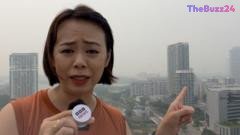
Southeast Asia Shrouded: Indonesian Wildfires Send Toxic Haze Across Singapore
Indonesia is currently battling one of its most severe wildfire seasons in recent history, with approximately one million hectares of land already consumed by flames this year. The environmental fallout is stretching far beyond Indonesia’s borders, sending a thick, toxic haze across neighboring Southeast Asian nations and severely impacting air quality in major urban centers.
In Singapore, the consequences of the fires are highly visible. The city-state’s iconic skyline and famous landmarks have been obscured by a dense, smoky shroud. This recurring environmental crisis has raised immediate health concerns for residents, as fine particulate matter from the agricultural and forest fires blankets the region, prompting warnings to limit outdoor activities.
The transboundary haze is a long-standing geopolitical and environmental challenge in Southeast Asia, typically triggered by land-clearing practices for palm oil and pulpwood plantations. As dry weather conditions exacerbate the spread of these fires, regional governments are facing renewed pressure to find sustainable solutions and hold responsible parties accountable to prevent annual air quality emergencies.
Key Takeaways
- Indonesia has lost around one million hectares of land to devastating wildfires this season.
- A thick, toxic haze has traveled across Southeast Asia, obscuring major landmarks in Singapore.
- The recurring air pollution crisis highlights the ongoing challenges of transboundary environmental management in the region.
Editor’s Analysis & Impact
The current wildfire crisis in Indonesia and the resulting transboundary haze underscore a persistent economic and environmental conflict in Southeast Asia. The agricultural practices driving these fires—primarily cheap land-clearing methods for lucrative palm oil and paper industries—continue to clash with regional public health and tourism interests. For Singapore, a global financial and tourism hub, prolonged haze can deter travel, disrupt outdoor commerce, and strain healthcare systems due to respiratory illnesses. Moving forward, this crisis will likely pressure ASEAN nations to strengthen enforcement of anti-burning laws and invest more heavily in sustainable agricultural technologies. It also highlights the urgent need for multinational corporate accountability, as supply chains linked to deforestation face increasing scrutiny from ESG-conscious investors worldwide.
Frequently Asked Questions
Q: What is causing the toxic haze in Singapore?
A: The haze is caused by smoke blowing from massive wildfires in neighboring Indonesia, where land is often cleared using fire for agricultural purposes.
Q: How much land has been affected by the Indonesian wildfires this year?
A: Approximately one million hectares of land have been burned so far during this wildfire season.
Q: What are the health risks associated with this haze?
A: The haze contains fine particulate matter that can penetrate deep into the lungs, causing respiratory issues, eye irritation, and cardiovascular strain, particularly for vulnerable populations.
AI Disclosure: This article is based on verified data and official reports. Our Team and AI have cross-referenced every financial detail with primary sources to ensure total accuracy.
More from this Category