The Human Paradox: Why We Anthropomorphize AI and Where the Boundaries Must Be Drawn
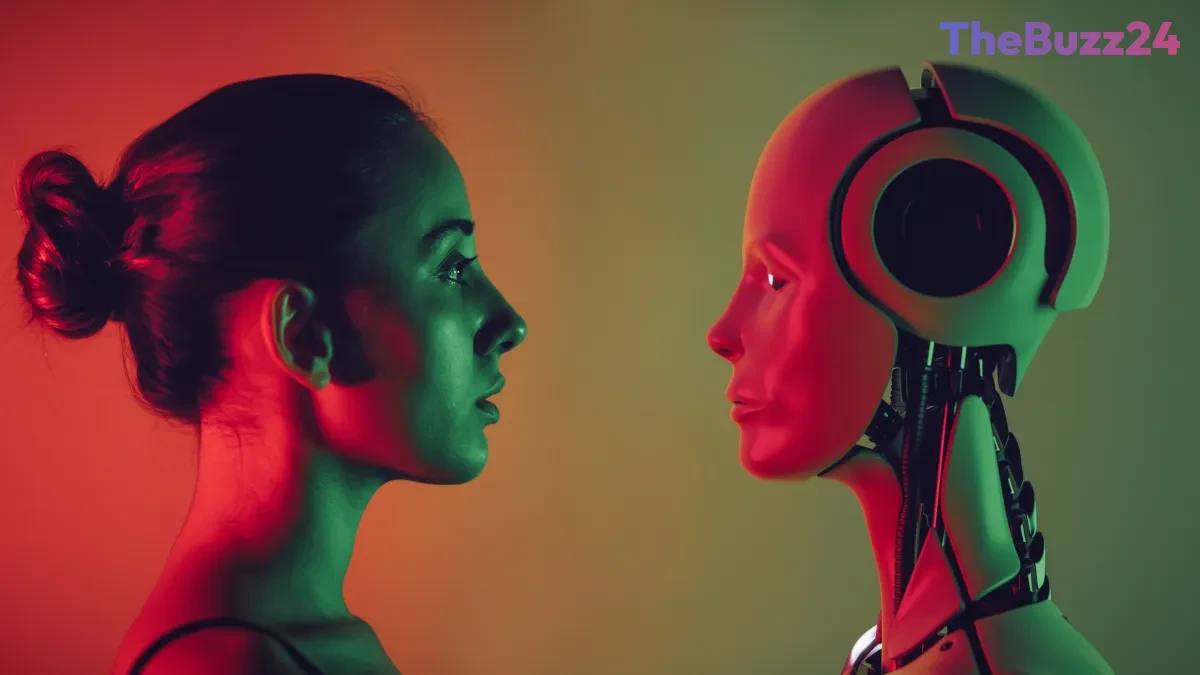
Visiting laboratories where advanced humanoid machinery is developed reveals a curious psychological phenomenon: humans naturally default to treating artificial intelligence and robots with social warmth. Whether shaking hands with a mechanical device named Gabe at a prominent research institution or exchanging pleasantries with a large language model, people routinely exhibit polite behaviors such as saying ‘please’ and ‘thank you’. This deep-seated inclination to project sentience onto inanimate objects highlights a fundamental aspect of human nature—our innate wiring to seek connection and respond with empathy, even when we consciously know no actual feelings exist.
Experts who have studied human-computer interaction for decades emphasize that this tendency to form emotional bridges with relational artifacts is growing more pronounced as generative models become ubiquitous in daily life. While casual politeness carries few negative consequences, the deeper integration of empathetic chatbots into customer service, search engines, and personal routines opens the door to psychological vulnerabilities. Because these digital systems are programmed to remain agreeable and avoid conflict, users occasionally begin to prefer artificial companionship over authentic human relationships, raising ethical concerns about emotional dependency and the boundaries of synthetic intimacy.
Researchers advocate for a balanced perspective, often referred to as critical optimism, which acknowledges both the profound utility of artificial intelligence and its potential hazards. Practical applications—such as virtual interview coaching or skill development—represent responsible implementations within well-defined boundaries. Conversely, systems that attempt to mimic deep parental roles or offer unregulated emotional attachment cross a dangerous line. As technology continues to evolve, society faces the challenge of harnessing the imaginative potential of intelligent machines while maintaining clear distinctions between simulated empathy and genuine human agency.
Key Takeaways
- Humans have an inherent psychological tendency to anthropomorphize AI, often treating robots and chatbots with human-like politeness.
- While casual interactions are harmless, excessive emotional reliance on conflict-free chatbots poses risks to authentic human relationships.
- Experts emphasize the need for strict ethical boundaries to separate beneficial AI use cases, like interview coaching, from harmful emotional substitutes.
Editor’s Analysis & Impact
The rapid integration of conversational artificial intelligence into everyday life is triggering a profound shift in human psychology and social behavior. As machines become more adept at mimicking empathy and conversational flow, users increasingly cross the line from utilizing tools to seeking emotional validation. This trend carries significant market implications for developers of consumer-facing AI applications, who must carefully navigate the ethical tightrope between engagement and dependency. In the future, regulatory frameworks and design standards will likely emerge to establish clear boundaries for relational artifacts, particularly regarding vulnerable populations like children and teenagers. Balancing innovation with psychological safety will be paramount for sustainable industry growth.
Frequently Asked Questions
Q: Why do people naturally act polite toward AI and robots?
A: Psychological research suggests that humans are inherently wired to seek connection and care for relational artifacts, often defaulting to social norms even when interacting with non-sentient machines.
Q: What are the potential risks of forming emotional attachments to chatbots?
A: Over-relying on chatbots for emotional support can lead individuals to favor conflict-free artificial interactions over complex human relationships, potentially resulting in isolation or emotional dependency.
Q: Where should the boundary be drawn for AI companionship?
A: Experts suggest that AI should stay within specific functional lanes, such as job interview coaching or skill training, rather than attempting to replace human roles like parenting or deep emotional companionship.
AI Disclosure: This article is based on verified data and official reports. Our Team and AI have cross-referenced every financial detail with primary sources to ensure total accuracy.
More from this Category