Orkut Founder Seeks to Rekindle Social Network’s Magic, Citing AI Concerns
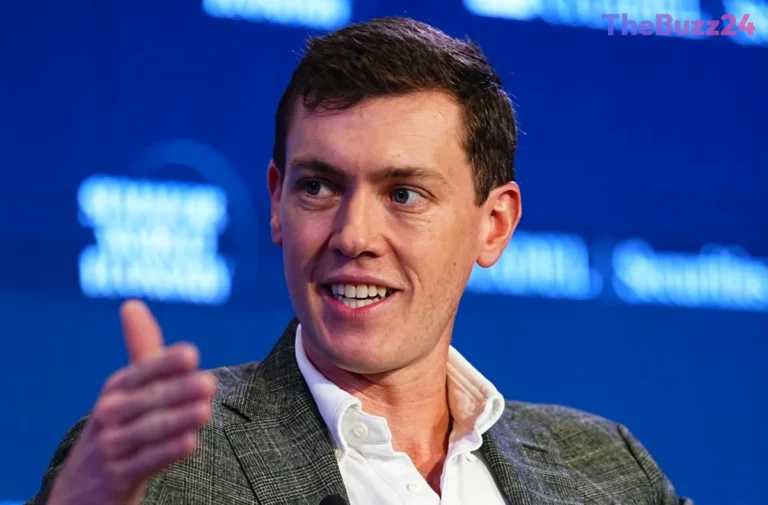
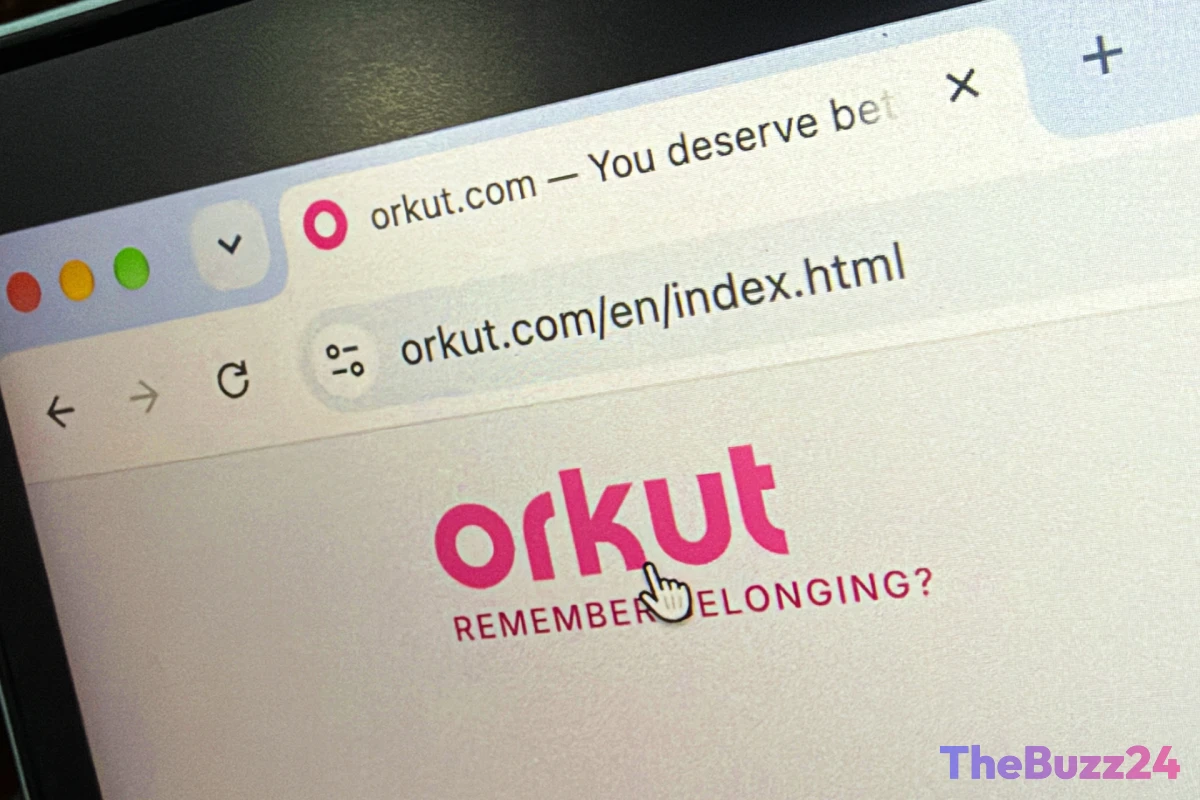
Orkut Büyükkökten, the visionary behind the once-dominant social networking site Orkut, is making a public appeal to revive the platform, emphasizing a return to genuine human connection. The founder is encouraging former users and interested individuals to visit Orkut.com and register their support, signaling a potential comeback for the service that was shuttered over a decade ago.
Launched in 2004 as a Google side project, Orkut achieved significant popularity, particularly in India and Brazil, before eventually being overtaken by competitors like Facebook. Google officially closed the platform in September 2014. Büyükkökten, now 51, has expressed concerns about the current social media landscape, where he believes algorithms and AI-generated content have diminished the authentic interactions that made early social networks special. He argues that the essence of social networking, the presence of real people behind the profiles, is being eroded.
In a recent call to action, Büyükkökten articulated his vision: “I know how to get there: we rebuild the internet we first loved. The one with authentic people, real connection, and genuine belonging.” This sentiment reflects a desire to move away from the data-driven, algorithmically curated experiences prevalent today and foster a more personal and community-oriented online environment. While the specifics of a new Orkut iteration remain unclear, Büyükkökten has previously explored new ventures, including the social network Hello, which launched in 2016 but ceased operations in 2020. He has also hinted at future projects leveraging AI for community building, though these have yet to materialize.
The current initiative is a direct plea for user backing, with Büyükkökten seeking to gauge public interest in Orkut’s return. It remains to be seen whether this renewed push will translate into a fully developed platform or if it’s a precursor to a new venture inspired by Orkut’s original ethos. The founder’s focus on human connection in an increasingly automated digital world positions this potential revival as a counter-narrative to current social media trends.
Key Takeaways
- Orkut founder Orkut Büyükkökten is seeking user support to potentially revive the defunct social networking platform.
- Büyükkökten criticizes modern social media's reliance on algorithms and AI, advocating for a return to authentic human connection.
- The revival effort is currently a public appeal for support, with no concrete details yet on a new platform's development or launch.
Editor’s Analysis & Impact
The potential return of Orkut taps into a growing sentiment of digital fatigue and a desire for more meaningful online interactions. In an era dominated by algorithmic feeds and AI-driven content, Büyükkökten’s emphasis on ‘authentic people’ and ‘genuine belonging’ could resonate strongly with users disillusioned by current social media platforms. This move challenges the prevailing industry trend towards hyper-personalization through AI, suggesting a market for a more human-centric approach. If successful, it could signal a shift in user preference and potentially influence how future social networks are designed and operated, prioritizing community and personal connection over engagement metrics.
Frequently Asked Questions
Q: What was Orkut?
A: Orkut was a popular social networking service launched in 2004 by Google. It gained significant traction in countries like India and Brazil before eventually shutting down in 2014.
Q: Why does the founder want to bring Orkut back?
A: The founder, Orkut Büyükkökten, believes that current social media has lost its original appeal due to the dominance of algorithms and AI-generated content. He wants to revive Orkut to focus on authentic human connection, genuine belonging, and community building.
Q: Is a new version of Orkut confirmed to be launching?
A: Currently, the founder is asking for public support and registration of interest on Orkut.com. There is no confirmation yet that a new version of the platform is under development or will definitely launch.
AI Disclosure: This article is based on verified data and official reports. Our Team and AI have cross-referenced every financial detail with primary sources to ensure total accuracy.
More from this Category