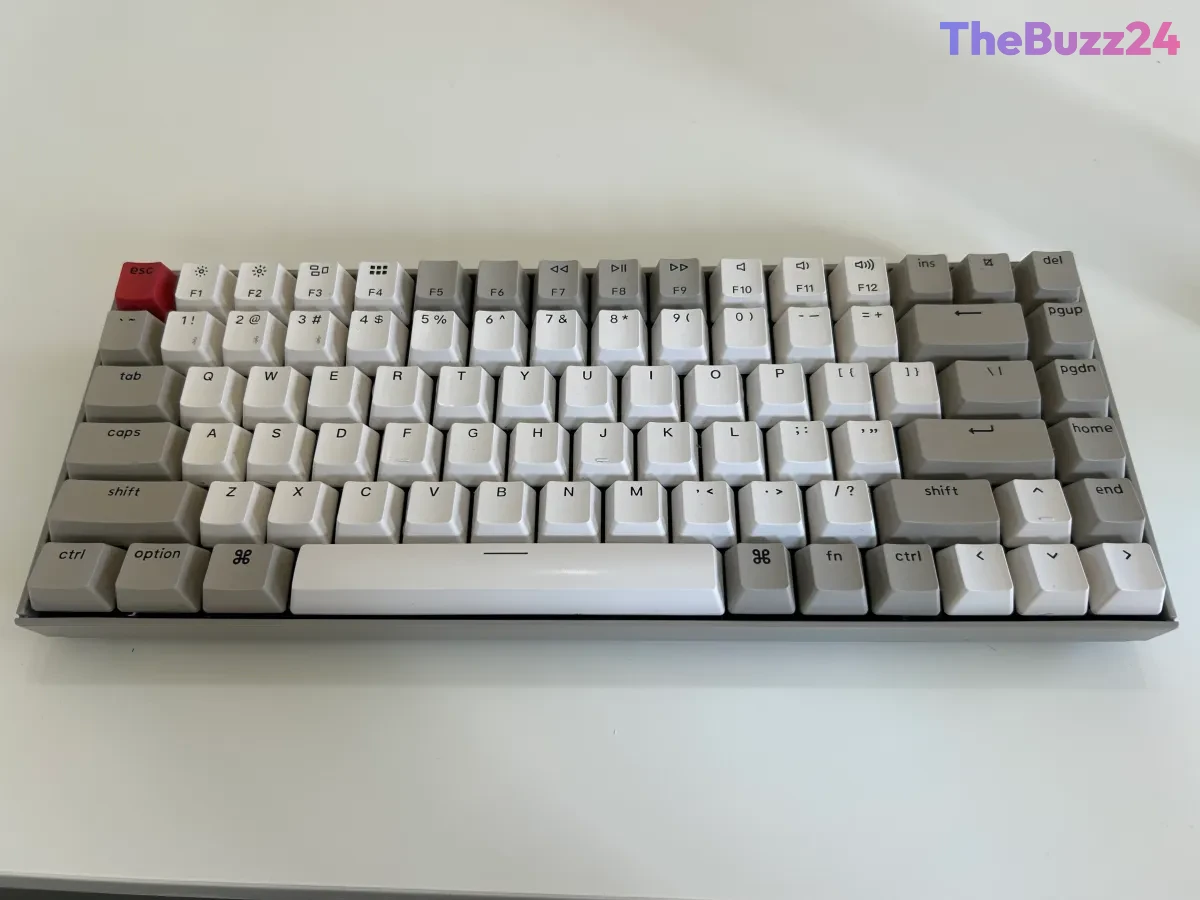
The Enduring Appeal of Mechanical Keyboards: A Deep Dive into Keychron’s Success
For many who spend extensive hours at a desk, particularly writers and professionals, the mechanical keyboard transcends mere utility, transforming the act of typing into a more engaging and aesthetically pleasing experience. While not universally essential, a well-crafted mechanical keyboard can significantly enhance daily workflow and user satisfaction.
Keychron stands out as a prominent innovator in the mechanical keyboard landscape, having established its reputation since its Kickstarter launch in 2017. The company has since expanded its portfolio to include a wide array of keyboards, keypads, and even mouse models, catering to diverse user preferences and needs. Their products are known for their straightforward setup, often featuring both wired USB and wireless Bluetooth connectivity options, appealing to those who prioritize a clean, minimalist workspace.
Keychron offers a broad spectrum of models, from the accessible Keychron K2, typically priced around $60, to more premium and specialized options. Examples include the Keychron K8 HE Wireless Magnetic Switch Custom Keyboard, which boasts an all-wood body and LED backlighting, commanding a price point closer to $200. For the gaming community, the C0 HE One-Handed 8K Keyboard provides a compact, speed-optimized solution, though it frequently sells out due to high demand. The brand also continually updates its K, Q, and V series, with models generally ranging from $100 to $200, depending on features and design.
Beyond functionality, the allure of mechanical keyboards lies in their versatility and sensory experience. Users can personalize their devices by swapping out keycaps, a practice supported by a vibrant aftermarket. The distinct auditory feedback of clacking keys, often a key selling point, has even found its way into ASMR content. Furthermore, Keychron’s designs frequently evoke a nostalgic, retro aesthetic, appealing to those who appreciate a more robust, ‘workman-like’ style reminiscent of an earlier computing era, making them a unique addition to any modern workspace.
Key Takeaways
- Mechanical keyboards offer a significantly enhanced typing experience for heavy users, combining tactile feedback with a distinct auditory appeal.
- Keychron has emerged as a leading brand in the mechanical keyboard market, known for its diverse product range, from affordable entry-level models to premium, customizable options.
- The appeal of these keyboards extends beyond functionality to include extensive customization possibilities, retro aesthetics, and a unique sensory experience that resonates with a dedicated user base.
Editor’s Analysis & Impact
The mechanical keyboard market, while niche, continues to demonstrate robust growth, driven by a blend of technological advancements, ergonomic considerations, and a strong emphasis on personalization. Keychron’s success underscores a broader trend where consumers are increasingly willing to invest in high-quality peripherals that not only perform well but also offer a unique aesthetic and tactile experience. This shift suggests a move away from generic, mass-produced accessories towards more specialized, user-centric tools. The future outlook for this segment involves continued innovation in switch technology, materials, and connectivity, potentially leading to wider mainstream adoption as prices become more competitive and awareness of their benefits grows. Brands that prioritize customization, design, and user experience, like Keychron, are well-positioned to capitalize on this evolving demand.
Frequently Asked Questions
Q: What makes mechanical keyboards different from standard keyboards?
A: Mechanical keyboards use individual switches under each key, providing a distinct tactile bump or audible click with each press. This offers a more precise, responsive, and often more satisfying typing experience compared to standard membrane keyboards, which use a single rubber sheet.
Q: What are some popular Keychron keyboard models and their price ranges?
A: Keychron offers a wide range of models. The Keychron K2 is a popular entry-level option around $60. More premium models like the K8 HE Wireless Magnetic Switch Custom Keyboard can cost around $200, while updated K, Q, and V series keyboards typically range from $100 to $200 depending on features.
Q: Can mechanical keyboards be customized?
A: Yes, customization is a significant appeal of mechanical keyboards. Users can easily swap out keycaps for different colors, materials, or profiles. Some advanced users also modify switches or cases to further personalize their typing experience.
AI Disclosure: This article is based on verified data and official reports. Our Team and AI have cross-referenced every financial detail with primary sources to ensure total accuracy.
More from this Category