Battery Storage Outprices Natural Gas Turbines as Data Center Energy Demands Surge
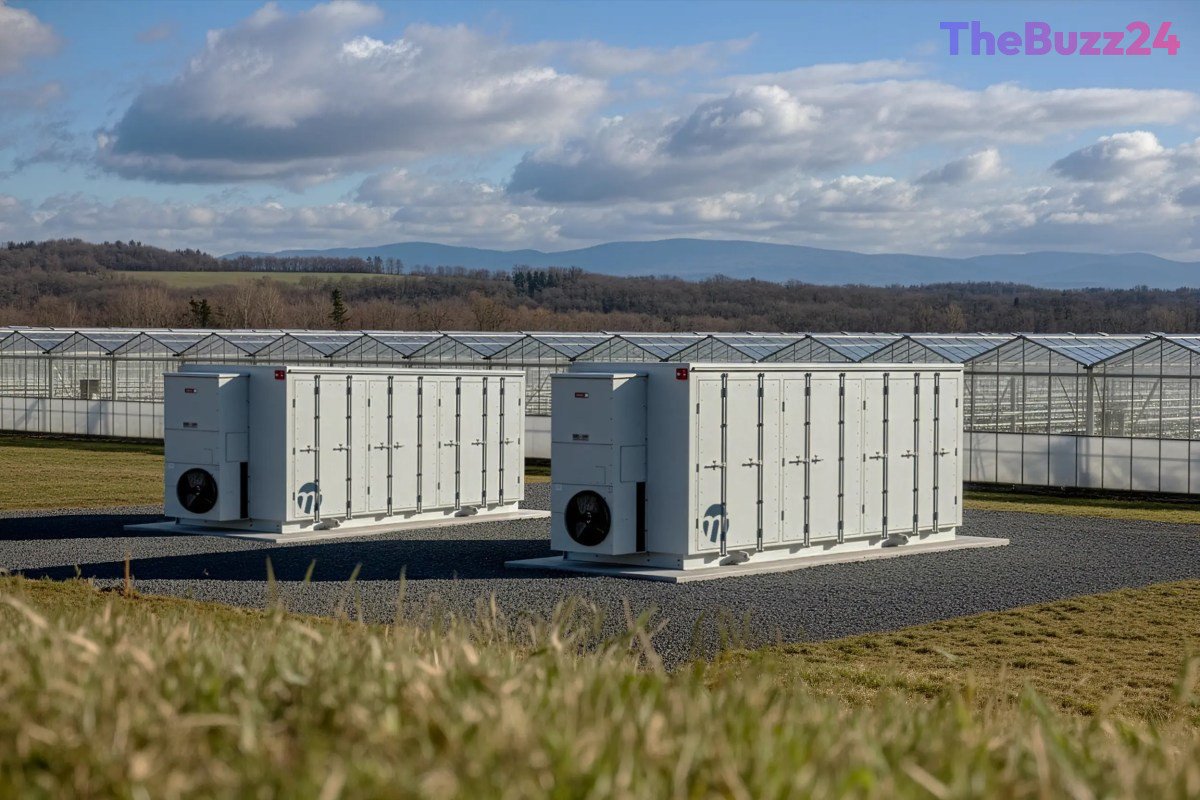
A significant economic shift is reshaping the energy landscape, as four-hour duration battery storage systems are now more cost-effective than open-cycle natural gas turbines across every global market surveyed. Driven by an unprecedented surge in electricity demand from burgeoning artificial intelligence data centers, traditional gas turbine prices have escalated dramatically. Open-cycle turbines, frequently utilized by utilities to meet peak energy demands, face severe manufacturing backlogs and procurement waitlists stretching up to four years, further inflating costs.
Simultaneously, the financial viability of renewable alternatives continues to strengthen. Solar power currently stands as the least expensive form of new power generation globally, despite facing localized headwinds such as tariffs and trade restrictions in North America. To mitigate these pricing pressures, utility-scale solar projects in the U.S. are heavily relying on regulatory safe-harbor provisions and tax credits to maintain momentum through the end of the decade.
Looking ahead, the cost trajectory for energy storage points steadily downward, contrasting sharply with the anticipated rise in gas turbine expenses. Projections indicate that by 2035, battery storage will significantly undercut gas peaking power across diverse international regions, notably in the Middle East, Africa, and Asia. This definitive economic pivot underscores a rapid transition toward battery and solar integration as the primary solution for modern grid stability and industrial power demands.
Key Takeaways
- Four-hour duration battery storage is now cheaper than open-cycle natural gas turbines on every surveyed continent.
- Surging demand from AI data centers has driven up prices and extended wait times for natural gas turbines.
- Solar power remains the cheapest form of new power generation globally, supported by strategic tax credits and safe-harbor provisions.
Editor’s Analysis & Impact
The finding that battery storage has achieved cost parity—and superiority—over natural gas turbines marks a watershed moment for the global energy sector. For years, open-cycle gas turbines served as the go-to solution for peaking power, but supply chain bottlenecks and explosive demand from AI infrastructure have crippled their cost-efficiency. This dynamic accelerates the commercial case for battery energy storage systems (BESS) at an unprecedented scale. As utilities and tech conglomerates grapple with soaring electricity needs, the pivot toward renewables and storage is no longer just an environmental goal, but a purely financial necessity. In the coming decade, we can expect a rapid reconfiguration of capital expenditure away from fossil-fuel peaking plants toward utility-scale batteries, fundamentally altering grid management and long-term energy economics.
Frequently Asked Questions
Q: Why are natural gas turbine prices increasing?
A: Prices have surged due to massive electricity demands from AI data center developers buying up available models, combined with lengthy manufacturing backlogs and procurement waitlists that extend up to four years.
Q: What is the most affordable form of new power generation?
A: Solar power remains the cheapest form of new power generation in every market surveyed, though localized price pressures and trade restrictions exist in regions like North America.
Q: How do four-hour duration batteries compare to gas peaking plants?
A: Four-hour batteries are now less expensive than open-cycle gas turbines globally, with projections showing they will become significantly cheaper and displace gas peaking plants entirely in various international markets by 2035.
AI Disclosure: This article is based on verified data and official reports. Our Team and AI have cross-referenced every financial detail with primary sources to ensure total accuracy.
More from this Category