Unveiling the Moon’s Hidden Face: Insights from the Lunar Reconnaissance Orbiter
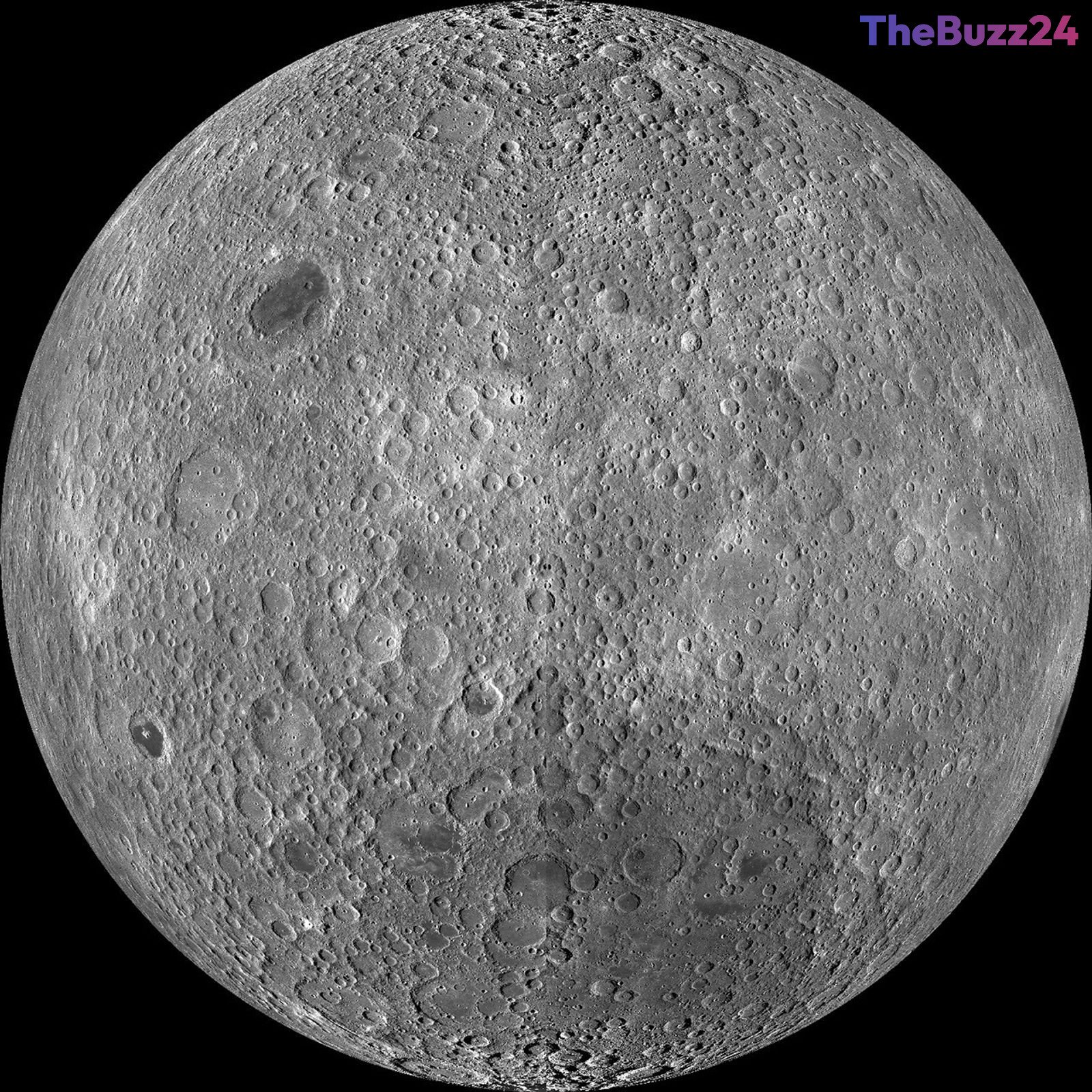
While the Moon is tidally locked to Earth, ensuring that we only ever see one side of our celestial neighbor, modern technology has allowed us to map the mysterious lunar farside in unprecedented detail. A high-resolution mosaic, compiled from over 15,000 images captured by the Lunar Reconnaissance Orbiter, provides a comprehensive look at the rugged terrain that remains permanently hidden from terrestrial observers.
The imagery reveals a stark contrast between the familiar nearside and the farside. Unlike the nearside, which is characterized by large, smooth, dark volcanic plains known as lunar maria, the farside is defined by a heavily cratered and battered landscape. This dramatic difference in topography is not merely aesthetic; it offers a window into the Moon’s geological history.
Scientists attribute the lack of smooth maria on the farside to the thickness of the lunar crust. On the nearside, thinner crust allowed molten material from the Moon’s interior to breach the surface and fill impact basins, creating the dark patches visible from Earth. On the farside, the significantly thicker crust acted as a barrier, preventing similar volcanic activity and leaving the ancient, crater-scarred surface largely undisturbed for eons.
Key Takeaways
- The Moon's farside is significantly more rugged and cratered than the nearside due to differences in crustal thickness.
- The absence of dark lunar maria on the farside is caused by a thicker crust that prevented internal molten material from reaching the surface.
- High-resolution mapping from the Lunar Reconnaissance Orbiter provides a detailed view of the lunar surface at a scale of 100 meters per pixel.
Editor’s Analysis & Impact
The study of the lunar farside remains a cornerstone of planetary science, offering critical data on the formation and evolution of the Earth-Moon system. By understanding why the two sides of the Moon differ so drastically, researchers can better model the thermal history of the Moon and the impact history of the early solar system. As global space agencies and private entities shift their focus toward lunar exploration and potential base construction, the geological data provided by the Lunar Reconnaissance Orbiter becomes invaluable. Future missions will likely leverage this mapping to identify landing sites that are not only scientifically significant but also strategically viable for long-term human presence, marking a transition from purely observational astronomy to active lunar development.
Frequently Asked Questions
Q: Why can we never see the farside of the Moon from Earth?
A: The Moon is tidally locked to Earth, meaning its rotational period is the same as its orbital period. Consequently, it always keeps the same face pointed toward our planet.
Q: Why does the farside of the Moon look so different from the nearside?
A: The farside has a much thicker crust than the nearside. This thickness prevented volcanic lava from reaching the surface to form the smooth, dark plains (maria) that are common on the side of the Moon facing Earth.
AI Disclosure: This article is based on verified data and official reports. Our Team and AI have cross-referenced every financial detail with primary sources to ensure total accuracy.
More from this Category