Post-Tropical Cyclone Isaias Batters Southeast with Flooding and Blackouts Following Florida Landfall
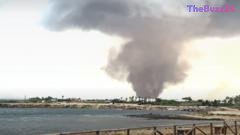
After roaring ashore near Destin, Florida, as a Category 2 system, Isaias rapidly lost wind intensity and degraded into a post-tropical cyclone on Saturday. Despite its structural weakening, the storm pushed deep into the Southeastern United States, carrying sustained winds of 65 mph as it crossed southern Alabama and tracked toward Montgomery. Weather forecasters noted that while the system will continue to lose strength over land, it remains capable of generating strong, damaging gusts far inland.
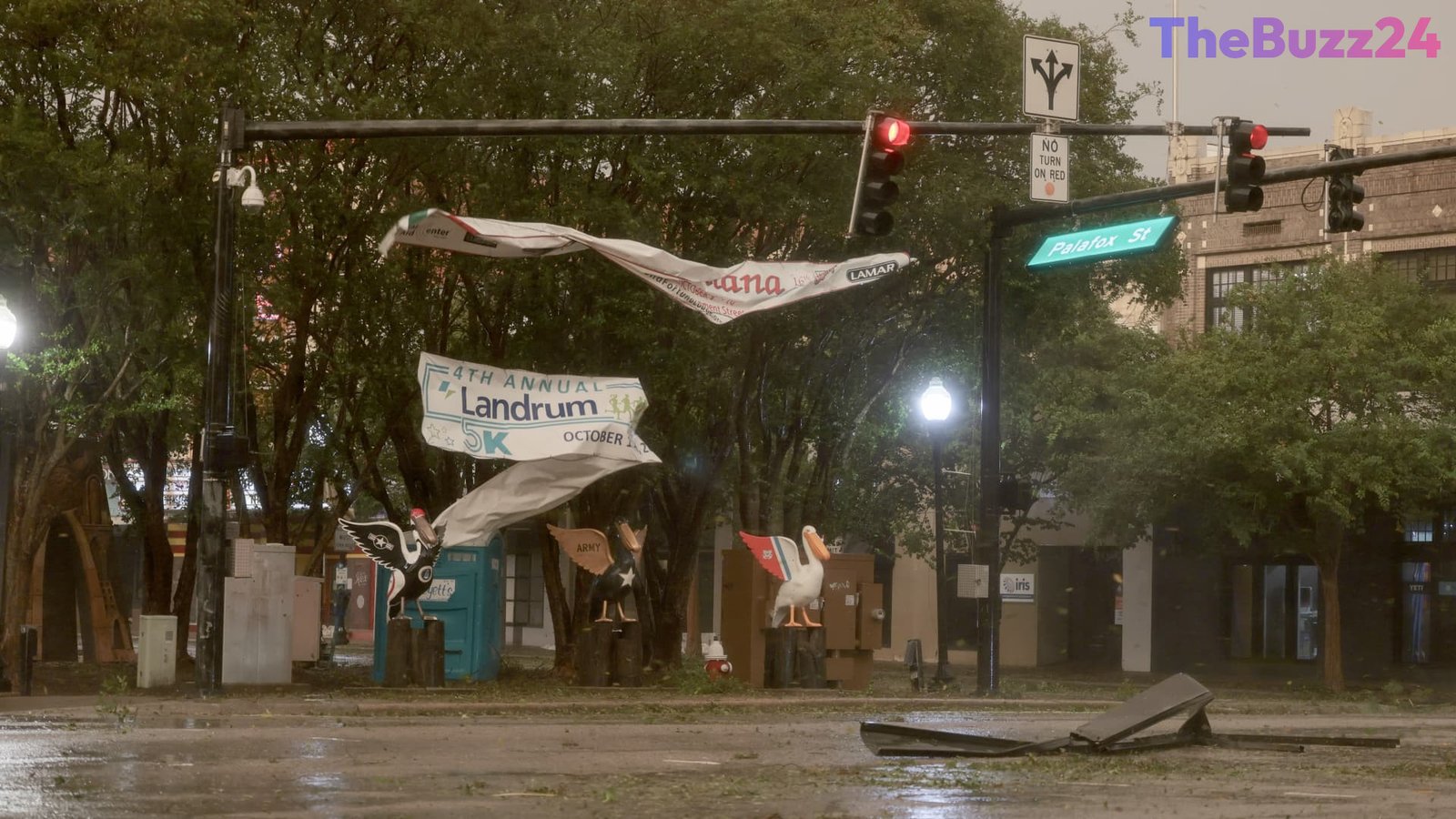
The tempest left extensive damage in its wake, cutting electricity to more than 430,000 utility customers across Florida and nearly 297,000 in Alabama. Uprooted trees, compromised power grids, and inundated streets prompted emergency officials to enact severe travel restrictions. In Alabama’s Houston County, officials shut down all public roadways until further notice, warning that flash flooding and live electrical wires have rendered travel exceptionally dangerous.
Meteorologists continue to warn of substantial ongoing hazards across southern Alabama, southwest Georgia, and the Florida Panhandle. Communities remain vulnerable to flash floods, urban and river inundation, and storm surges. Additionally, the risk of isolated tornadoes is expected to linger across northern Florida, Georgia, and into parts of the Carolinas through the remainder of the weekend.
In response to the widespread destruction, federal emergency declarations have been formally approved for Florida and Alabama, opening access to disaster recovery personnel and logistics. State emergency officials are urging residents across affected territories to shelter in place and exercise caution until municipal teams can clear hazardous debris and safely restore utility services.
Key Takeaways
- Isaias made landfall near Destin, Florida, as a Category 2 hurricane before degrading into a post-tropical cyclone over Alabama.
- Over 720,000 combined homes and businesses in Florida and Alabama lost electrical power due to severe winds and downed lines.
- Federal emergency declarations have been unlocked for Florida and Alabama amid lingering flash flood and tornado threats across the Southeast.
Editor’s Analysis & Impact
The rapid inland progression of Isaias underscores the enduring risks tropical systems present well after losing peak wind intensity. While structural wind degradation often eases coastal panic, prolonged freshwater flooding and widespread electrical grid failures remain the primary drivers of economic disruption and municipal paralysis. For insurance markets and local utility companies, back-to-back infrastructure strain early in the hurricane season exposes ongoing vulnerabilities in regional power grids and emergency transit corridors. As storm footprints routinely push severe precipitation deep into inland agricultural and urban zones, state and federal planners must prioritize rapid-response grid fortification and modern flood management initiatives over purely coastal defenses.
Frequently Asked Questions
Q: What is the current status and strength of Isaias?
A: Isaias has weakened from a Category 2 hurricane to a post-tropical cyclone, carrying maximum sustained winds of approximately 65 mph as it moves across southern Alabama.
Q: Which states have been most affected by utility outages and damage?
A: Florida and Alabama sustained the brunt of the initial damage, experiencing widespread road closures and blackouts affecting more than 720,000 customers combined.
Q: What ongoing weather hazards should residents anticipate?
A: Forecasters caution that urban and river flooding, dangerous flash floods, storm surges, and isolated tornadoes remain significant threats throughout Alabama, Georgia, northern Florida, and the Carolinas.
AI Disclosure: This article is based on verified data and official reports. Our Team and AI have cross-referenced every financial detail with primary sources to ensure total accuracy.
More from this Category