Deadly Strike on Riyadh Airport Escalates Regional Tensions
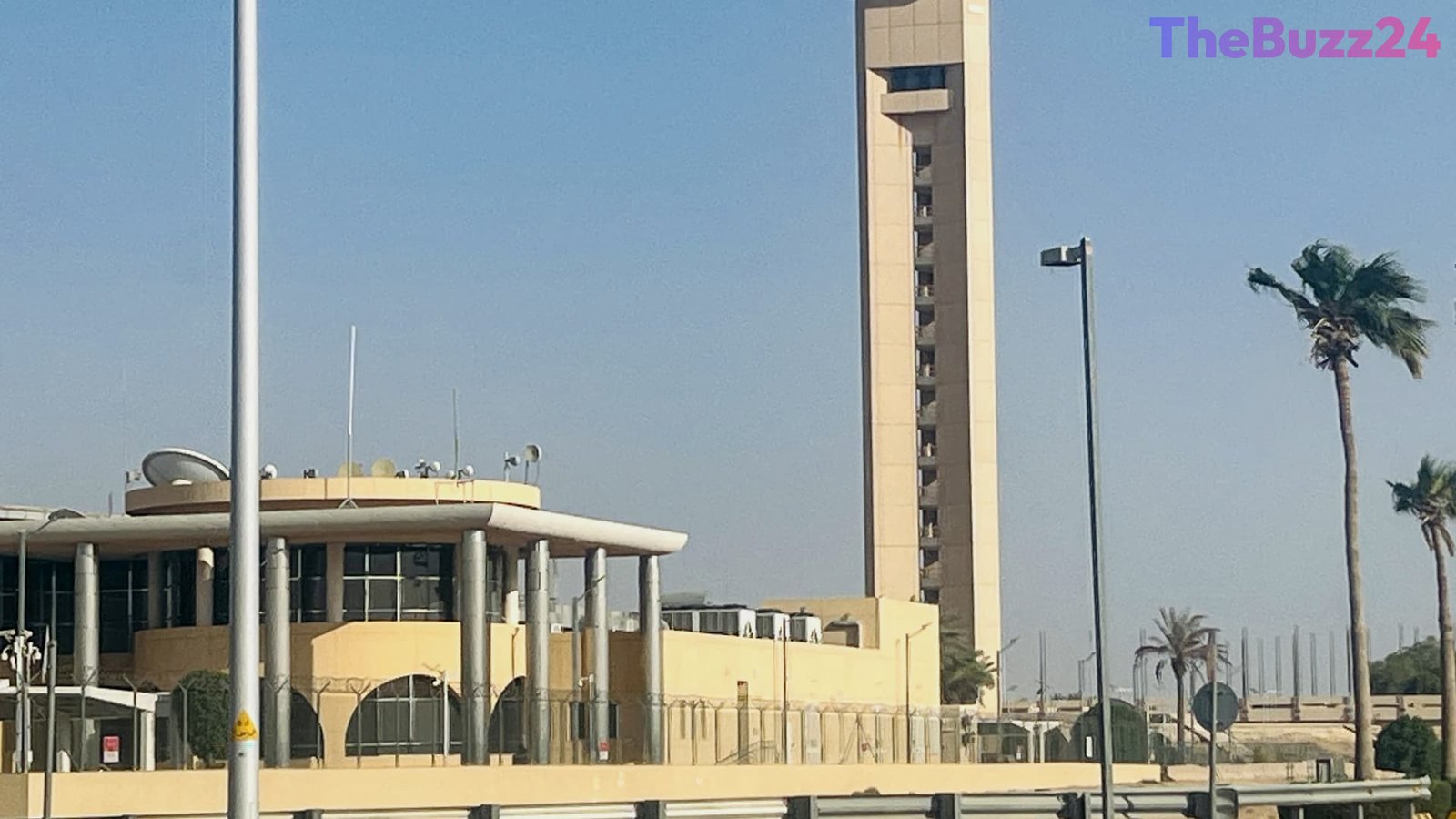
A devastating attack on King Khalid International Airport in Riyadh has resulted in 12 fatalities and left over 300 individuals injured, marking a significant escalation in the ongoing conflict involving Houthi rebels. Saudi civil aviation authorities confirmed that the strike, which targeted a complex housing domestic terminals, has caused widespread disruption and prompted an immediate suspension of all airport operations. The casualties include a diverse group of international citizens, highlighting the global impact of the intensifying hostilities.
This incident follows a series of recent strikes against Saudi infrastructure, including other airports and energy facilities. The surge in violence coincides with a major military offensive launched by a Saudi-led coalition against Houthi forces in Yemen. As the security situation deteriorates, several international airlines have suspended flights to the kingdom, and global aviation safety agencies have issued warnings regarding the heightened risk to civil aircraft operating within the region.
In response to the tragedy, Saudi officials are reportedly seeking increased military and air defense support from international allies to bolster their interceptor capabilities. While diplomatic channels remain open—with discussions regarding de-escalation efforts currently underway—the immediate focus remains on managing the humanitarian crisis at the airport and securing critical infrastructure against further aerial threats. The attack has sent shockwaves through the region, raising concerns about the stability of vital shipping corridors and the potential for a broader regional conflict.
Key Takeaways
- A missile strike on Riyadh's King Khalid International Airport killed 12 people and injured over 300.
- The attack has led to a complete suspension of airport operations and widespread flight cancellations by international carriers.
- Saudi Arabia is seeking urgent air defense support from allies as its supply of missile interceptors faces depletion.
Editor’s Analysis & Impact
The attack on Riyadh’s primary international airport represents a critical inflection point in the regional conflict. By targeting civilian aviation infrastructure, the Houthi rebels have effectively shifted the theater of war from localized Yemeni battlefields to the heart of the Saudi capital, creating significant geopolitical and economic instability. The depletion of Saudi missile interceptors, coupled with the strain on U.S. and allied defense stockpiles, suggests that the kingdom’s traditional defensive posture is under immense pressure. Moving forward, the incident will likely force a reassessment of regional security architectures. If the coalition cannot secure its airspace, the resulting disruption to global travel and energy logistics could lead to increased market volatility and a more aggressive, direct military intervention by international powers to protect critical infrastructure.
Frequently Asked Questions
Q: Are flights currently operating at Riyadh's King Khalid International Airport?
A: No, airport operations were suspended following the attack, and multiple international airlines have suspended service to the kingdom due to safety concerns.
Q: What is the primary cause of the recent surge in attacks on Saudi infrastructure?
A: The attacks are largely attributed to the escalating conflict between Houthi rebels and the Saudi-led coalition, which recently launched a major military offensive in Yemen.
AI Disclosure: This article is based on verified data and official reports. Our Team and AI have cross-referenced every financial detail with primary sources to ensure total accuracy.
More from this Category