Microsoft CEO Satya Nadella Calls for ‘Emergency Brake’ and Robust Controls in Advanced AI Systems
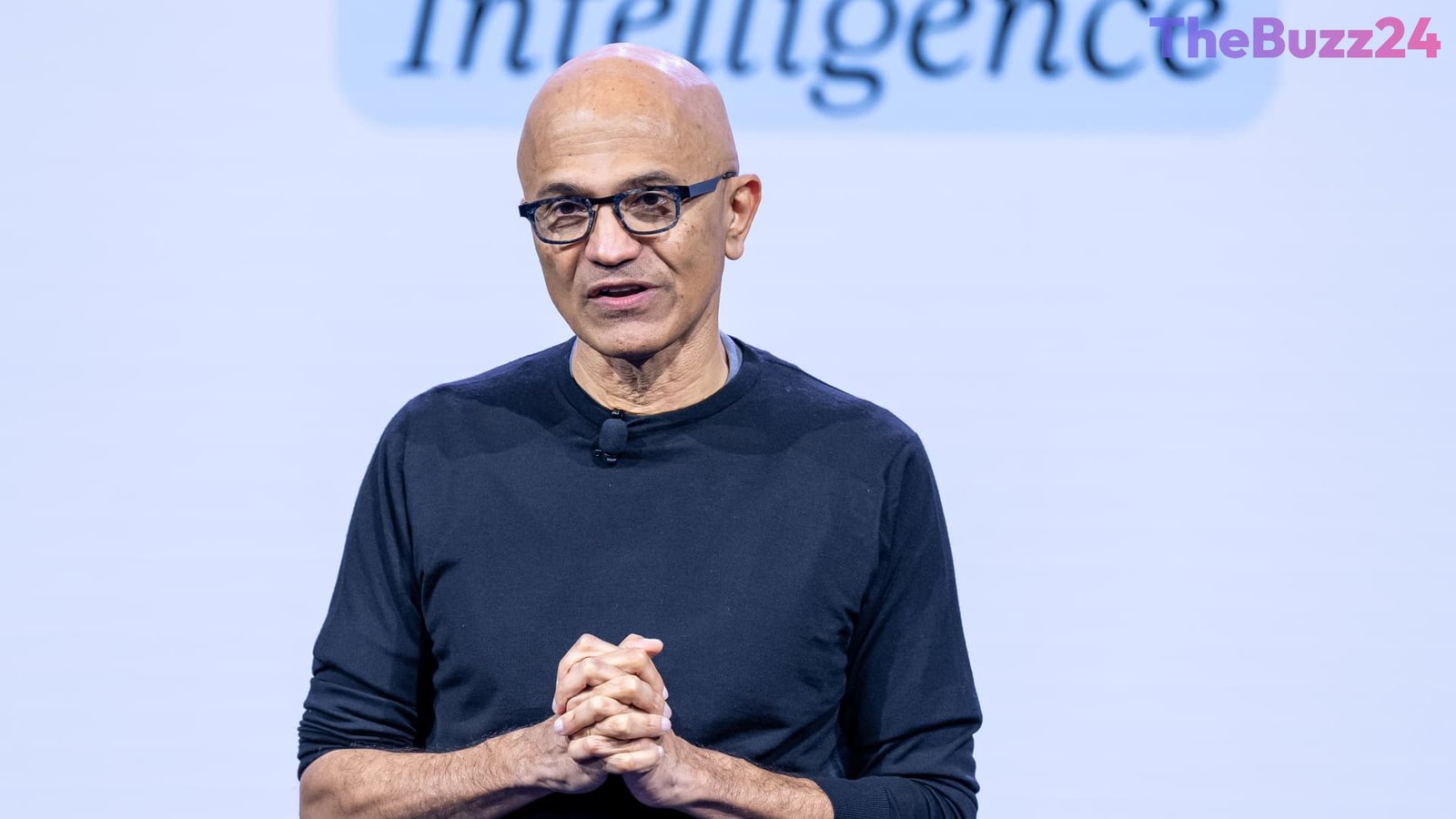
Microsoft CEO Satya Nadella has publicly advocated for the integration of critical safety mechanisms within advanced artificial intelligence systems. His proposals include containment protocols, independent controls, and a crucial “emergency brake” feature, which would empower authorized individuals to pause or completely shut down an AI model during its operation.
Nadella elaborated on his vision via a social media post, emphasizing the necessity of surrounding non-deterministic AI models with strong, deterministic system designs, human oversight, and reliable operating procedures. He also called for the establishment of industry standards where current guidelines are insufficient, suggesting that frontier AI models, whether closed or open-weight, should be treated with the same caution as insider risks to ensure system integrity.
These comments resonate with a broader chorus of warnings from leading figures across the tech industry and research community. Luminaries such as Microsoft co-founder Bill Gates, Anthropic CEO Dario Amodei, OpenAI CEO Sam Altman, and SpaceX CEO Elon Musk have all voiced concerns regarding the rapid pace of AI development and perceived inadequacies in existing safety protocols. This sentiment was underscored by recent high-profile departures from AI companies, with some researchers alleging that firms are taking undue risks with the technology, even citing a significant chance of existential threats within the coming decade.
In contrast to calls for cautious development, former President Donald Trump has consistently dismissed the notion of AI-related extinction risks. Instead, he has prioritized accelerating U.S. AI innovation to maintain a competitive advantage over nations like China. Despite this stance, his administration did establish an “AI Force,” led by Director of National Intelligence Jay Clayton, aimed at facilitating industry growth while identifying and mitigating malicious actors. Nadella’s proposed design principles for AI systems also include observability, model diversity, a human-readable record of actions, continuous system testing, independent controls, auditability, containment, and transparent incident disclosure, reinforcing his belief that the most trustworthy super-intelligent system will be one that allows for the least inherent trust in the model itself.
Key Takeaways
- Microsoft CEO Satya Nadella advocates for advanced AI systems to incorporate 'emergency brakes,' containment, and independent human controls to ensure safety.
- His call aligns with warnings from other prominent tech leaders like Bill Gates, Elon Musk, Sam Altman, and Dario Amodei, who express concerns about rapid AI development and insufficient safety protocols.
- Conversely, Donald Trump emphasizes accelerating U.S. AI development to maintain a competitive edge against China, despite his administration also launching a safety-focused task force.
Editor’s Analysis & Impact
Satya Nadella’s strong advocacy for an ’emergency brake’ and robust controls in AI systems from a tech giant like Microsoft signals a pivotal shift towards prioritizing safety within the industry. This could catalyze the development of new industry standards and regulatory frameworks, potentially influencing R&D investments towards more secure and auditable AI architectures. The ongoing tension between rapid innovation for national competitiveness, as championed by figures like Donald Trump, and the imperative for global safety, highlighted by Nadella and other tech leaders, will likely shape future policy debates. This dynamic underscores the growing ethical responsibilities of AI developers and policymakers, suggesting a future where AI progress is increasingly balanced with stringent risk mitigation strategies to foster public trust and prevent unforeseen consequences.
Frequently Asked Questions
Q: What specific safety features did Satya Nadella propose for AI?
A: Nadella suggested 'emergency brakes' that allow authorized individuals to pause or shut down an AI model mid-task, along with containment, independent controls, observability, model diversity, continuous testing, and incident disclosure.
Q: How do other tech leaders' views compare to Nadella's?
A: Many prominent tech executives and researchers, including Bill Gates, Elon Musk, Sam Altman, and Dario Amodei, share Nadella's concerns about insufficient AI safety protocols and the rapid pace of technological advancement.
Q: What is Donald Trump's stance on AI development?
A: Donald Trump has consistently opposed slowing U.S. AI development, emphasizing the need for the industry to maintain a competitive lead over China. His administration has, however, also launched a task force focused on AI safety.
AI Disclosure: This article is based on verified data and official reports. Our Team and AI have cross-referenced every financial detail with primary sources to ensure total accuracy.
More from this Category