Trump Calls for Ukraine’s President to Be Replaced, Links Zelenskyy to U.S. Diesel Prices
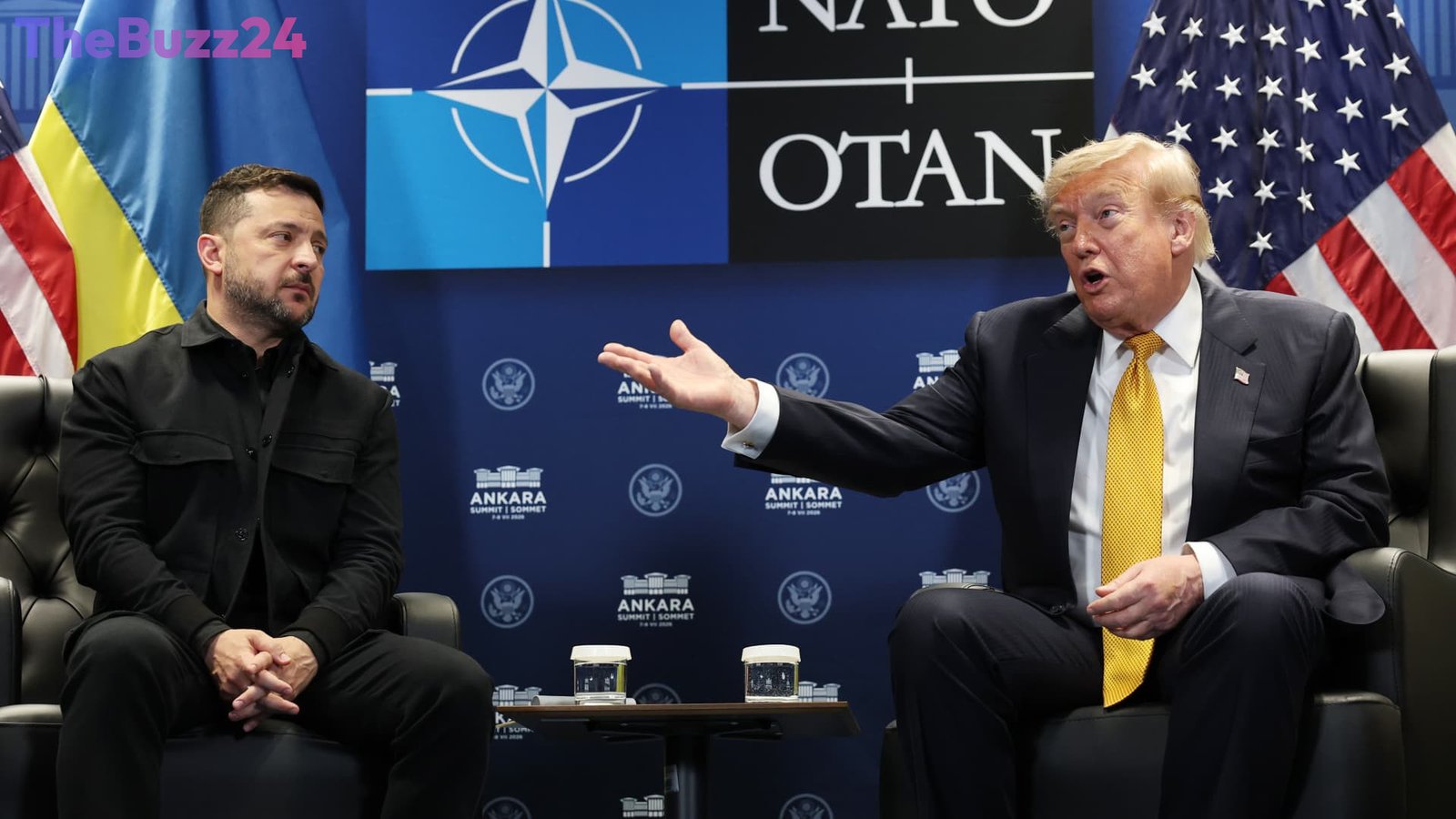
Former President Donald Trump has publicly called for Ukrainian President Volodymyr Zelenskyy to be replaced, asserting that Zelenskyy has failed to negotiate an end to the ongoing conflict with Russia. Trump also controversially linked the Ukrainian president to the surge in U.S. diesel prices, suggesting that Zelenskyy’s actions have exacerbated global energy costs.
“I suggest they get a new leader who can make a deal because he could have made many deals and for some reason he never does,” Trump stated. He further alleged that Zelenskyy is “making problems for the world” and specifically for American farmers and ranchers through high diesel fuel costs. These remarks come as Trump announced a deal for Russia to supply significant quantities of diesel fuel to the United States, a move that has drawn criticism from Ukrainian and European officials.
Ukrainian and European leaders have expressed dismay over the U.S.-Russia diesel agreement, warning that it could inadvertently fund Russia’s war efforts. President Zelenskyy directly criticized the deal, stating on social media that Russia’s gratitude for the lifting of sanctions on diesel exports was demonstrated by subsequent aerial bombings in Ukraine’s Zaporizhzhia region. He argued that every dollar Russia earns from exports bolsters its capacity to wage war, and that Moscow will only cease hostilities when its military capabilities are significantly diminished.
Trump’s intervention follows a period of intense Russian aerial attacks on Ukraine, including strikes that killed at least 20 people in Zaporizhzhia on Saturday. The former president also reiterated his claim that the war would not have begun if he were in office, attributing its start to “incompetence.” He cited casualty figures and territorial losses in Ukraine as further reasons for his call for new leadership, though independent estimates suggest around 20% of Ukraine’s territory remains under Russian control, with significant, though unconfirmed, Russian military casualties.
Key Takeaways
- Former President Trump has called for Ukrainian President Zelenskyy's replacement, citing a failure to end the war and blaming him for high U.S. diesel prices.
- Trump announced a deal for Russia to supply substantial amounts of diesel fuel to the U.S., drawing criticism from Ukraine and European allies.
- Ukrainian officials and European leaders argue the diesel deal could fund Russia's war effort and have reaffirmed their commitment to sanctions against Moscow.
Editor’s Analysis & Impact
This development highlights the complex geopolitical and economic factors influencing the Ukraine conflict and global energy markets. Trump’s direct engagement with Russia on energy supplies and his criticism of Ukraine’s leadership represent a significant departure from established U.S. foreign policy and could strain international alliances. The market impact of such a deal, if realized, would be substantial, potentially altering global diesel supply dynamics. However, the political ramifications, particularly the potential to undermine sanctions and embolden Russia, are considerable. The situation underscores the delicate balance between addressing domestic economic concerns and maintaining a unified international front against aggression.
Frequently Asked Questions
Q: What is the basis of Trump's claim linking Zelenskyy to U.S. diesel prices?
A: Trump suggests that Ukraine's continued engagement in the war with Russia, and President Zelenskyy's alleged failure to negotiate an end to it, has disrupted global energy markets and contributed to higher diesel prices in the U.S. He also announced a deal for Russia to supply diesel to the U.S.
Q: How have Ukrainian and European officials reacted to the U.S.-Russia diesel deal?
A: Ukrainian and European officials have expressed dismay and criticism. They argue that the deal could provide Russia with much-needed revenue to fund its war effort, potentially undermining existing sanctions. Ukraine's President Zelenskyy stated that Russia's "gratitude" for the deal was shown through increased aerial bombings.
Q: What is the current situation regarding the war in Ukraine?
A: The war between Russia and Ukraine continues, with recent reports of significant Russian aerial attacks causing civilian casualties in Ukraine. Ukraine is struggling to counter escalating bombardments. Estimates vary, but a substantial portion of Ukrainian territory remains under Russian control, and both sides have sustained significant, though often unconfirmed, casualties.
AI Disclosure: This article is based on verified data and official reports. Our Team and AI have cross-referenced every financial detail with primary sources to ensure total accuracy.
More from this Category