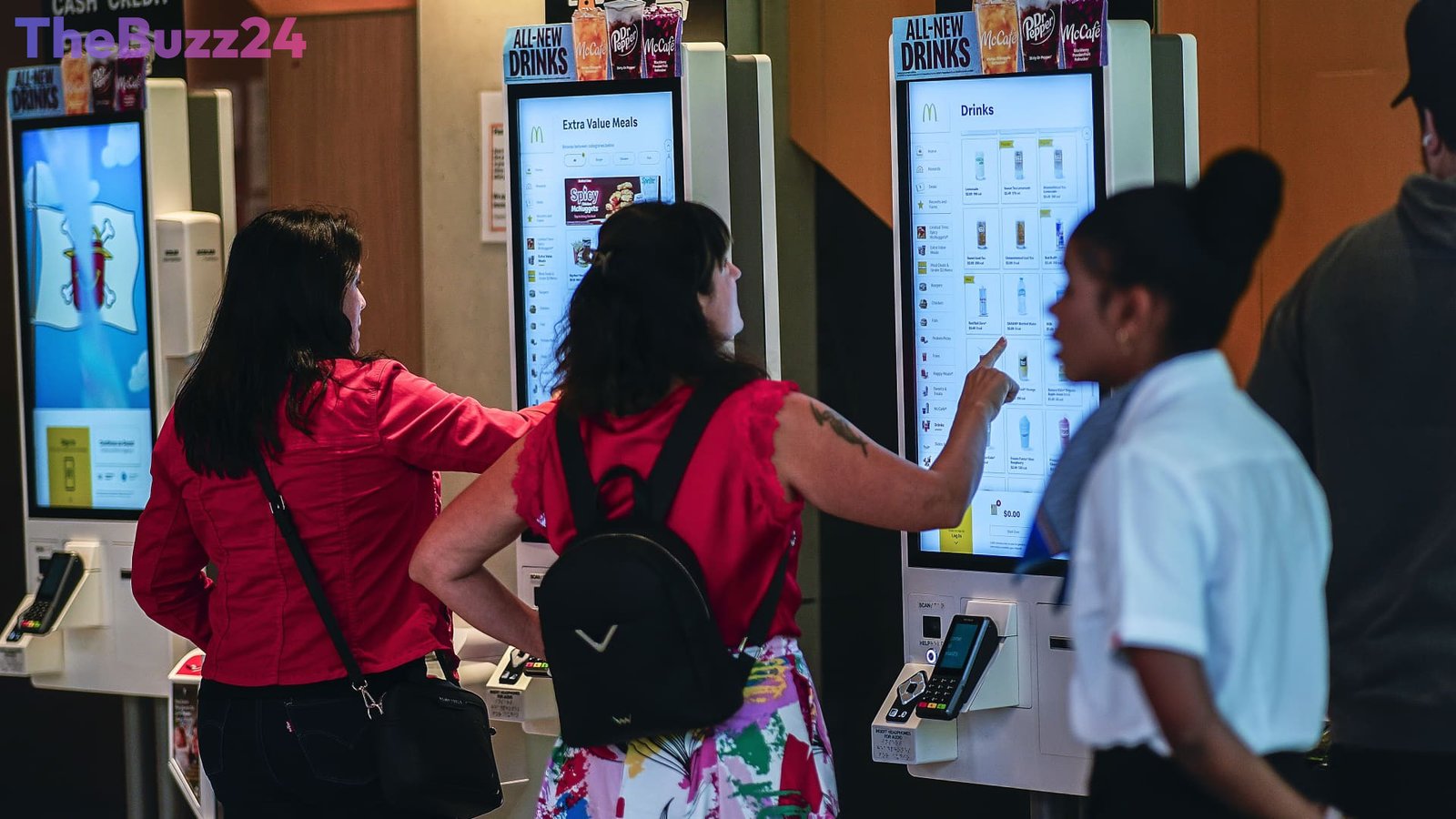
AI Revolutionizes Retail: Big Macs and Groceries Face Dynamic Pricing Shifts
The retail landscape is undergoing a significant transformation as artificial intelligence becomes increasingly integrated into the operations of supermarkets and fast-food chains. This technological shift is raising concerns among experts and consumers alike about the potential for dynamic and personalized pricing strategies that could alter the cost of everyday goods, from a Big Mac to staple groceries.
Recent developments have brought this issue to the forefront. A federal antitrust lawsuit filed against McDonald’s specifically alleges the use of an AI-powered “pricing engine” to set menu prices across its U.S. locations, potentially leading to customers being overcharged. While McDonald’s has denied employing AI for individual customer price determination, stating they provide franchisees with resources for informed decision-making, the broader trend of AI adoption in the food industry continues. Companies globally are leveraging AI to digitize their operations, with examples like grocery chain Kroger utilizing AI platforms to manage perishable inventory and offer discounts via an app.
Furthermore, the proliferation of electronic shelf labels (ESLs) in major supermarkets such as Kroger, Amazon Fresh, Walmart, and Whole Foods, as well as U.K. retailers like Tesco and Morrisons, signifies a move towards more fluid price adjustments. These digital displays allow for real-time price changes, a capability amplified by AI’s ability to analyze vast amounts of consumer data. This data collection extends beyond purchase history to include browsing behavior and location, blurring the lines between dynamic pricing, which responds to market conditions, and personalized pricing, which tailors costs based on individual consumer profiles.
Economists from the Bank of England have noted that sophisticated AI technologies are enabling prices to fluctuate more frequently and become more individualized. This could lead to businesses charging prices closer to the maximum a consumer is willing to pay, a concept known as “perfect price discrimination.” Such a scenario poses challenges for accurately measuring inflation, as traditional economic indicators rely on stable, representative price samples. When prices shift continuously and differently for each shopper, the concept of an average price becomes less meaningful, potentially leading to a fragmented consumer experience and personalized inflation rates that diverge significantly from aggregate measures.
Key Takeaways
- Retailers are increasingly using AI to digitize operations, leading to potential shifts in pricing strategies.
- Concerns exist about AI enabling dynamic and personalized pricing, where prices change in real-time based on market conditions and individual consumer data.
- The widespread adoption of AI in pricing could impact inflation measurement and consumer choice, making it harder to compare prices and understand price variations.
Editor’s Analysis & Impact
The integration of AI into retail pricing models represents a significant evolution with far-reaching implications. While dynamic pricing has long been a staple in industries like travel, its application in everyday consumer goods like groceries and fast food introduces new complexities. The ability of AI to collect and analyze granular consumer data allows for unprecedented levels of price personalization, potentially maximizing profits for retailers but raising ethical questions and concerns about consumer fairness. This trend could exacerbate economic inequalities and challenge traditional methods of economic analysis, such as inflation tracking. As regulatory bodies begin to address these issues, the industry faces a critical juncture in balancing technological advancement with consumer protection and market transparency.
Frequently Asked Questions
Q: What is dynamic pricing?
A: Dynamic pricing refers to the strategy of adjusting prices in real-time based on changing market conditions, such as demand, supply, competitor pricing, and even the time of day. Airlines and ride-sharing services have used this model for years.
Q: How does AI enable personalized pricing?
A: AI algorithms can analyze vast amounts of consumer data, including purchase history, browsing behavior, location, and demographic information, to predict an individual's willingness to pay. This allows retailers to offer customized prices to different customers for the same product.
Q: What are the potential impacts of AI-driven pricing on inflation measurement?
A: When prices change frequently and differently for each consumer, traditional methods of measuring inflation, which rely on a representative sample of prices, may become less accurate. This could lead to aggregate inflation figures that do not reflect the actual price experiences of individual households.
AI Disclosure: This article is based on verified data and official reports. Our Team and AI have cross-referenced every financial detail with primary sources to ensure total accuracy.
More from this Category