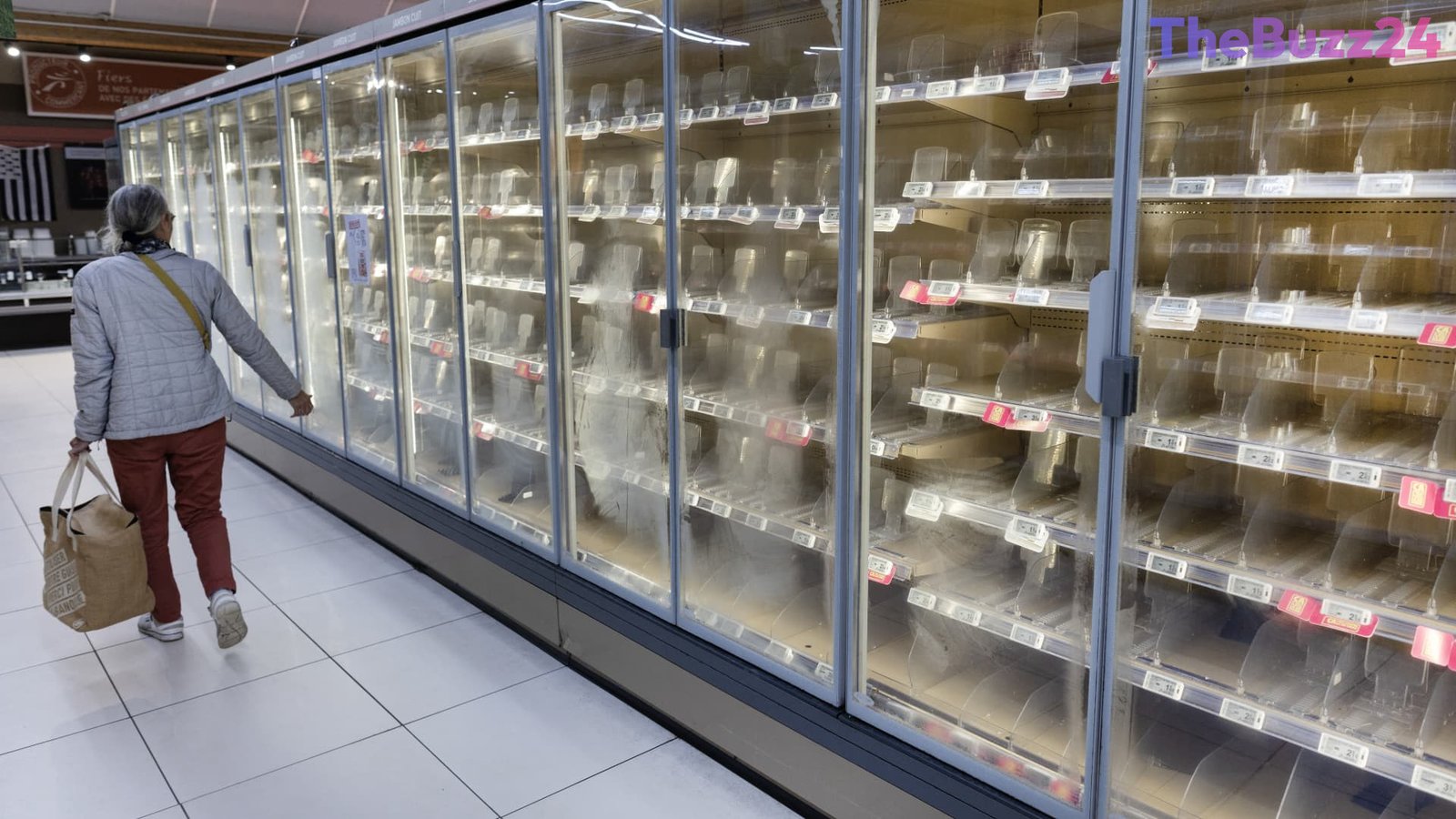
Cyberattack Targets European Supermarket Refrigeration Systems, Sparking Safety Concerns
A sophisticated cyberattack has compromised the refrigeration systems of hundreds of supermarkets across France and several other European nations, including Spain, Portugal, Poland, Germany, and Belgium. The breach caused industrial-grade freezers and refrigerators to malfunction, with temperatures in some units spiking to 122 degrees Fahrenheit (50 degrees Celsius). This surge in heat resulted in widespread food spoilage and, in some instances, triggered smoke and fire hazards within retail locations.
Major retail chains, including Carrefour, Monoprix, Intermarché, and Coopérative U, have confirmed that their refrigeration management systems were targeted. The attack appears to have originated through a third-party service provider responsible for the remote management of these cooling units. Les Mousquetaires, which operates Intermarché and Netto, reported that approximately 180 of its stores were impacted, with projected financial losses reaching several million euros due to the destruction of fresh and frozen inventory.
Industry leaders and government officials have condemned the incident as a dangerous escalation in digital warfare. Dominique Schelcher, CEO of Coopérative U, described the attack as an unprecedented and unacceptable threat to the food supply chain. European Commissioner for Agriculture and Food Christophe Hansen echoed these concerns, emphasizing that the weaponization of food infrastructure has become a tangible reality that requires urgent attention from security and policy experts.
As retailers work to assess the full extent of the damage and coordinate with insurance experts, the incident has prompted a broader investigation into the vulnerabilities of critical infrastructure. The attack is part of a growing trend of cyber-threats that experts believe are being accelerated by artificial intelligence, allowing malicious actors to target multiple victims simultaneously with increased speed and precision.
Key Takeaways
- Hundreds of supermarkets across Europe suffered refrigeration failures after a cyberattack targeted third-party management systems.
- Temperatures in affected units reached 122°F, leading to significant food spoilage and localized fire hazards.
- Retailers are facing millions of euros in losses, prompting warnings from officials about the vulnerability of the food supply chain to digital sabotage.
Editor’s Analysis & Impact
This incident marks a chilling evolution in cyber warfare, shifting from data theft to the physical sabotage of critical infrastructure. By targeting the refrigeration systems that underpin the modern food supply chain, attackers have demonstrated that they can inflict significant economic damage and threaten public safety without needing to breach a retailer’s primary corporate network. The reliance on centralized, third-party management software for industrial equipment creates a single point of failure that is increasingly attractive to bad actors. Moving forward, we expect to see a massive shift in how retail and logistics companies manage their IoT (Internet of Things) security. Companies will likely be forced to implement stricter air-gapping protocols and redundant, manual override systems to ensure that a digital breach cannot result in physical destruction or the loss of essential goods.
Frequently Asked Questions
Q: Were customers at risk during the refrigeration cyberattack?
A: While the primary risk was the spoilage of food, some stores reported smoke caused by overheating equipment. Retailers have stated they are disposing of affected products to ensure consumer safety.
Q: How did the hackers gain access to the supermarket fridges?
A: The attack appears to have been facilitated through a third-party service provider that manages the refrigeration systems for multiple supermarket chains, rather than a direct breach of each individual store's internal network.
AI Disclosure: This article is based on verified data and official reports. Our Team and AI have cross-referenced every financial detail with primary sources to ensure total accuracy.
More from this Category