How Startup Mosqitter is Transforming Mosquito Traps into an AI Surveillance Network
As global temperatures rise and shifting weather patterns expand the habitats of disease-carrying insects, public health organizations face mounting challenges. Recent data highlights a dramatic surge in viral illnesses like dengue, intensifying the urgency for innovative vector-control solutions. Traditional methods relying heavily on chemical sprays are increasingly scrutinized for environmental and sustainability reasons, pushing the pest-management sector to seek smarter, eco-friendly alternatives.
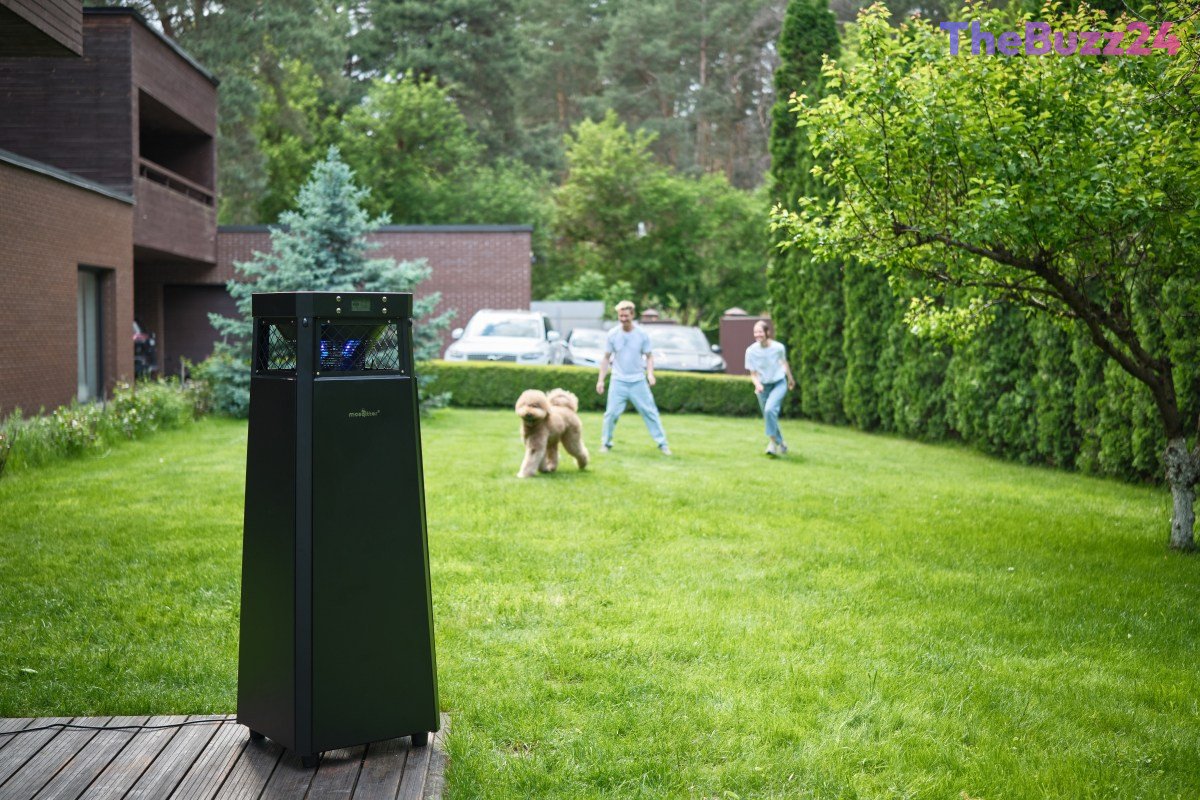
Enter Mosqitter, an innovative startup that has evolved from manufacturing chemical-free traps into developing an artificial intelligence-driven surveillance network. Founded with the mission to curb mosquito populations sustainably, the company deploys hardware that mimics human cues—such as body heat, scent, and carbon dioxide emissions—to lure and capture female mosquitoes before they can reproduce. With thousands of devices currently active across multiple continents, the enterprise is taking the next major leap by integrating computer vision and neural networks to identify specific insect species and monitor population dynamics.
The core of this technological upgrade is the upcoming launch of a dedicated monitoring system designed for institutional clients, including municipal governments, public health agencies, and major transportation hubs like international airports. By analyzing captured imagery through a multi-step verification process—backed by neural network assessments and entomologist validation—the system determines species presence and correlates it with real-time environmental metrics like humidity and wind patterns. While the technology does not directly test insects for pathogens, tracking the concentration and movement of specific vector species provides vital early-warning insights for regions vulnerable to outbreaks.
Looking ahead, the enterprise is scaling its global footprint with localized manufacturing and strategic distribution partnerships in high-risk regions such as South America, Europe, and North America. By shifting toward a hybrid model of hardware sales and recurring data-service subscriptions, the startup anticipates significant financial growth driven by government demand for predictive health analytics. As international travel and climate shifts continue to blur geographical boundaries for vector-borne diseases, data-driven surveillance networks are poised to become an essential layer of modern public health infrastructure.
Key Takeaways
- Mosqitter is expanding its chemical-free mosquito trap business into an AI-powered surveillance network.
- The new monitoring system uses computer vision and neural networks to identify mosquito species and track population trends.
- Targeting institutional clients like governments and airports, the startup projects substantial recurring revenue from its data analytics services.
Editor’s Analysis & Impact
The pivot from hardware manufacturer to data-as-a-service provider represents a lucrative evolution in the pest-control and public health sectors. By leveraging artificial intelligence and computer vision to track disease vectors, Mosqitter is tapping into a critical market need: proactive epidemiological intelligence. Governments and municipalities are increasingly willing to invest in predictive data to prevent outbreaks rather than merely reacting to them. As climate change broadens the geographical footprint of vector-borne illnesses, startups offering scalable, tech-enabled surveillance will likely command high valuations and secure robust institutional contracts, transforming traditional pest management into a high-tech data industry.
Frequently Asked Questions
Q: What is Mosqitter?
A: Mosqitter is a technology startup that builds chemical-free mosquito traps and is currently developing an AI-powered surveillance network to track mosquito populations and species.
Q: Does the new monitoring system test mosquitoes for diseases?
A: No, the system does not directly diagnose diseases or test individual insects for pathogens. Instead, it identifies specific mosquito species present in an area, helping authorities assess potential health risks associated with those vectors.
Q: Who are the primary customers for the new monitoring technology?
A: The monitoring system is primarily targeted at institutional clients, including governments, public health agencies, municipalities, universities, and international airports.
AI Disclosure: This article is based on verified data and official reports. Our Team and AI have cross-referenced every financial detail with primary sources to ensure total accuracy.
More from this Category