Mauritius Enforces Curfew as Water Crisis and Police Shooting Spark Historic Riots
Authorities in Mauritius instituted an emergency overnight curfew this week in an effort to suppress the most severe civil unrest the Indian Ocean island nation has experienced in decades. What began as peaceful demonstrations over severe water scarcity and a climbing cost of living quickly escalated into widespread violence over the weekend. The boiling point arrived on Friday when a police officer shot and wounded a woman at a road checkpoint, triggering immediate public outrage.
The shooting led to chaotic scenes across multiple regions, with demonstrators burning tires, erecting barricades across major roadways, and attacking public infrastructure, including police stations. The officer responsible for the shooting was subsequently arrested and remains in custody as authorities investigate the circumstances. In response to the breakdown in order, schools and public transit systems were shuttered, and several foreign diplomatic missions issued advisories urging their citizens to exercise extreme vigilance.
Addressing the nation, Prime Minister Navin Ramgoolam condemned the destruction and justified the strict curfew, emphasizing the need to safeguard the country’s critical reputation as an international tourism and financial center. Ramgoolam warned that anyone engaging in destructive acts against the nation would face harsh legal consequences. While police reported isolated clashes and scattered arrests during the curfew hours, emergency officials indicated that roads had largely reopened and normal civilian movement was allowed to resume by Wednesday morning.
Despite the fragile return to order, underlying tensions remain high across the island. The prolonged drought and utility mismanagement driving the water shortages are not expected to abate fully until the regional rainy season begins in December. With the cabinet convening for emergency sessions to formulate a long-term response, the government faces the dual challenge of reforming utility distribution and de-escalating domestic frustration to avoid further disruptive flare-ups.
Key Takeaways
- Mauritius imposed an island-wide overnight curfew to contain the worst civil unrest the nation has witnessed since 1999.
- Protests over ongoing water deficits and surging living costs turned violent after a civilian woman was shot by police at a roadblock.
- While transit and public activity began returning to normal on Wednesday, underlying water supply strains threaten stability through December.
Editor’s Analysis & Impact
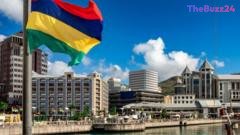
Mauritius has long presented itself as a beacon of political stability, luxury tourism, and offshore financial services in the Indian Ocean. However, this eruption of unrest exposes deep socio-economic fault lines exacerbated by climate vulnerability and inflation. Chronic water rationing has pushed citizens past their breaking point, and heavy-handed security tactics only catalyzed broader civil discontent. If the administration relies solely on punitive measures and security enforcement without swiftly resolving basic utility access, it risks alienating local communities and damaging its primary economic driver—international tourism—ahead of the peak holiday season.
Frequently Asked Questions
Q: What triggered the violent riots in Mauritius?
A: Protests originally organized over severe water shortages and soaring living expenses turned violent after a police officer shot and wounded a woman at a roadblock.
Q: What measures did the Mauritian government take to restore order?
A: Prime Minister Navin Ramgoolam enforced an overnight curfew, closed schools and public transport, and arrested the officer involved in the shooting.
Q: When are the water shortages in Mauritius expected to improve?
A: Although the government is supplying supplemental water to households, significant environmental relief is not anticipated until the island's rainy season arrives in December.
AI Disclosure: This article is based on verified data and official reports. Our Team and AI have cross-referenced every financial detail with primary sources to ensure total accuracy.
More from this Category