Ancient Maritime Discovery: World’s Oldest Shipwreck Unearthed Off Turkish Coast
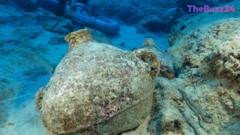
Archaeologists have identified a shipwreck off the coast of Kekova Island, Turkey, that dates back to the Early Bronze Age, making it the oldest vessel of its kind ever discovered. Estimated to be between 4,400 and 4,700 years old, the ship was active during the same era that the Great Pyramids were being constructed in Egypt. While the wooden hull of the 10-meter vessel has long since disintegrated, the site remains a treasure trove of historical data, featuring over 30 ceramic storage jars known as amphorae and three stone anchors resting 30 meters below the surface.
Researchers determined the age of the wreck by analyzing the distinct design of the recovered amphorae. These vessels, characterized by a flat base, a central ridge, and two handles, match pottery styles previously unearthed in Egypt and the Middle East. The discovery provides a rare glimpse into the complex trade networks of the ancient Mediterranean, suggesting the ship was likely transporting goods from the eastern Mediterranean coast toward destinations such as the ancient city of Troy or the Minoan civilization in Crete.
Beyond the structural artifacts, the discovery has yielded surprising organic evidence. Several of the recovered jars still contain a viscous, glossy residue, which experts are currently analyzing to determine if the ship was carrying olive oil, wine, or tree resins. This find offers a unique connection to the ancient world, as researchers note that these items have remained untouched by human hands for nearly five millennia. The artifacts are currently undergoing conservation and are slated for display at the Mediterranean Underwater Archaeology Museum in Antalya.
Key Takeaways
- A 4,400 to 4,700-year-old shipwreck discovered off the coast of Turkey is now officially the oldest known shipwreck in the world.
- Archaeologists identified the ship's age by analyzing the specific design of recovered ceramic amphorae, as the original wooden structure did not survive.
- The discovery provides new insights into Bronze Age trade routes, with evidence suggesting the ship was traveling toward Troy or Crete.
Editor’s Analysis & Impact
The discovery of the Kekova shipwreck represents a significant milestone in maritime archaeology, effectively pushing back the timeline of documented deep-sea trade. By providing physical evidence of long-distance maritime commerce during the Early Bronze Age, this find challenges existing assumptions about the sophistication of ancient logistics and vessel capabilities. The presence of organic residues within the amphorae offers a rare opportunity for biochemical analysis, which could provide definitive data on the commodities that fueled early Mediterranean economies. As underwater exploration technology advances, we can expect more such ‘time capsules’ to be identified, potentially rewriting our understanding of how ancient civilizations interacted. The Turkish government’s commitment to displaying these artifacts in a dedicated museum underscores the growing importance of underwater cultural heritage in global tourism and historical education.
Frequently Asked Questions
Q: How were archaeologists able to date the shipwreck without any surviving wood?
A: Because the wooden hull had decayed, researchers used the specific design and shape of the ceramic amphorae found at the site. By comparing these pottery styles to similar artifacts found in Egypt and the Middle East, they were able to confirm the wreck dates to the Early Bronze Age.
Q: What was the ship likely carrying?
A: While the exact contents are still being analyzed, the jars contained a viscous residue that suggests the ship may have been transporting goods such as olive oil, wine, or tree resins.
AI Disclosure: This article is based on verified data and official reports. Our Team and AI have cross-referenced every financial detail with primary sources to ensure total accuracy.
More from this Category