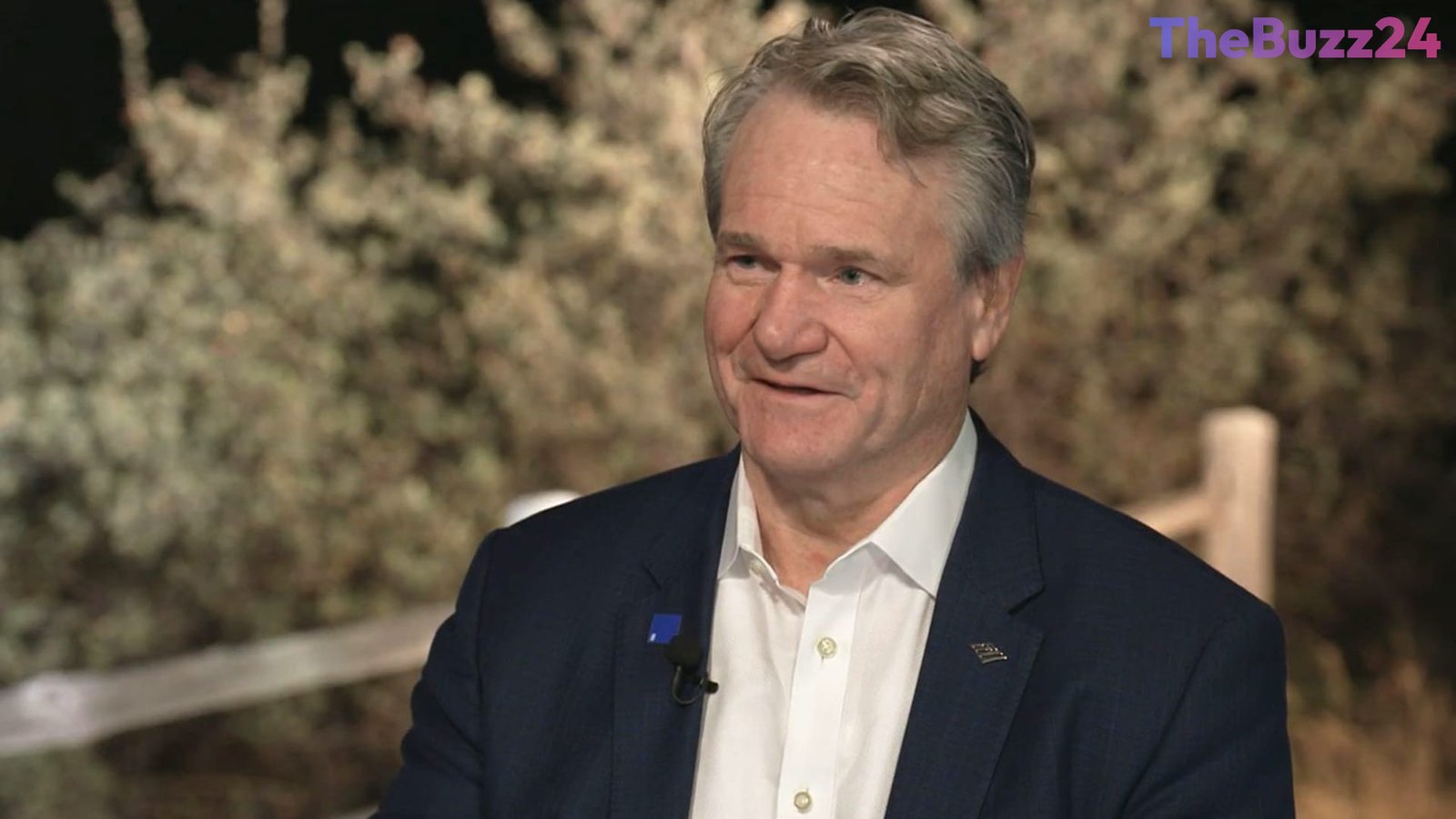
Bank of America Ramps Up Cybersecurity Defenses Against AI-Exposed Flaws While Projecting Future Savings
Bank of America has significantly bolstered its software security infrastructure, deploying an additional 1,000 third-party consultants to work alongside 3,000 internal staff. This substantial effort is aimed at patching proprietary and vendor software vulnerabilities, many of which have been brought to light by advanced artificial intelligence models, including Anthropic’s Mythos.
This extensive software remediation, coupled with ongoing anti-money laundering compliance initiatives, contributed to several hundred million dollars in costs during the third quarter. Bank of America CEO Brian Moynihan indicated that while these defensive measures represent a considerable short-term expenditure, he anticipates these costs will naturally decline over time as the patching process matures.
The investment underscores the dual nature of AI’s impact on large enterprises. While models like Mythos can expose long-standing software flaws, necessitating costly defensive actions, AI also presents significant opportunities for efficiency. Bank of America is actively pursuing approximately 130 internal AI projects, which are projected to generate substantial savings, increasing from an estimated $300 million this year to $700 million by 2027. This strategic balance highlights the financial sector’s ongoing adaptation to both the risks and rewards presented by rapidly evolving AI technologies.
Key Takeaways
- Bank of America hired 1,000 external contractors to assist 3,000 internal staff in patching software vulnerabilities, many exposed by AI models like Anthropic's Mythos.
- The bank incurred hundreds of millions in third-quarter costs for software remediation and anti-money laundering compliance, though CEO Brian Moynihan expects these expenses to decrease over time.
- Despite immediate defensive costs, Bank of America's 130 internal AI projects are projected to yield significant savings, reaching $700 million by 2027.
Editor’s Analysis & Impact
This development from Bank of America highlights a critical juncture for the financial industry and broader enterprise software security. The emergence of advanced AI models like Anthropic’s Mythos, capable of identifying deep-seated software vulnerabilities, forces companies to re-evaluate their cybersecurity postures and invest heavily in remediation. While these initial defensive costs are substantial, they are a necessary investment to mitigate significant operational and reputational risks. The simultaneous pursuit of internal AI projects for efficiency underscores a strategic pivot: companies must not only defend against AI’s potential to expose weaknesses but also harness its power for competitive advantage. This dual approach will likely become a standard operating model across industries, driving both increased cybersecurity spending and accelerated AI adoption for productivity gains.
Frequently Asked Questions
Q: What is Anthropic's Mythos?
A: Anthropic's Mythos is an advanced artificial intelligence model that has demonstrated the capability to identify and expose vulnerabilities in software systems, including decades-old flaws.
Q: Why did Bank of America incur significant costs related to software patching?
A: Bank of America incurred these costs primarily to patch software flaws exposed by AI models like Mythos and to enhance its compliance with anti-money laundering regulations. This required a substantial increase in personnel and resources.
Q: How does AI benefit Bank of America despite these immediate costs?
A: Despite the immediate defensive costs, Bank of America is leveraging AI through 130 internal projects. These initiatives are projected to generate significant cost savings, expected to reach $700 million by 2027, demonstrating AI's potential for long-term operational efficiency.
AI Disclosure: This article is based on verified data and official reports. Our Team and AI have cross-referenced every financial detail with primary sources to ensure total accuracy.
More from this Category