Entrenched Inflation Threatens U.S. Economy as Consumers Adapt to Persistent High Prices
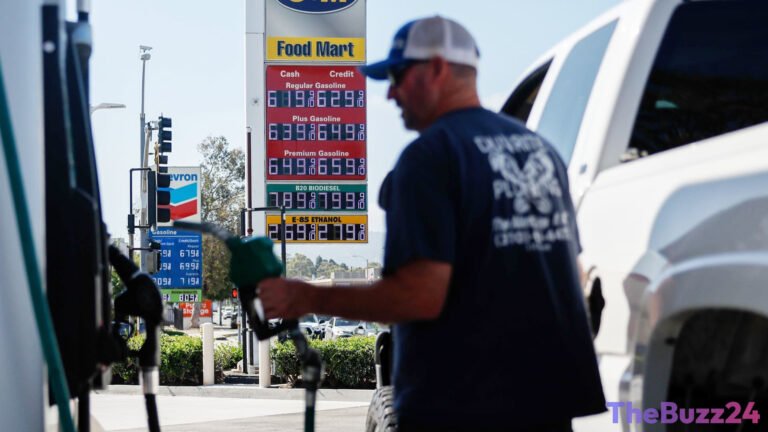
The United States is grappling with one of the most persistent stretches of elevated inflation in modern history, as consumer prices continue to outpace historical benchmarks. Recent data shows annual inflation rising at 3.7%, marking more than five consecutive years—surpassing 65 months—of price growth staying above the Federal Reserve’s 2% target. With average readings sitting near 4.5% since early 2021, the prolonged period of high living costs has raised red flags among central bank leadership, who fear that rising prices are rapidly cementing into everyday expectations.
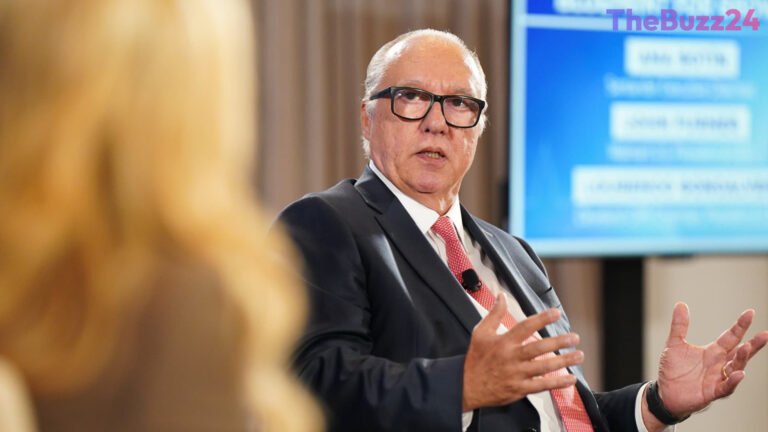
Federal Reserve policymakers caution that the psychological acceptance of inflation as a permanent fixture represents a major hurdle for monetary policy. Cleveland Fed President Beth Hammack warned that consumers and businesses are increasingly treating high inflation as an inevitable fact of life. When households and corporations anticipate that prices will continually climb, sellers preemptively raise prices while workers negotiate steeper wage demands to offset living expenses. This feedback loop threatens to fuel a self-reinforcing inflationary spiral that undermines the efficacy of traditional interest rate adjustments.
To counter this momentum, policymakers have maintained elevated borrowing costs to dampen excessive demand across the economy. However, higher interest rates introduce their own strains on households by increasing the cost of mortgages, auto loans, and revolving credit. While economists acknowledge that aggressive monetary tightening can bring temporary financial pain, experts emphasize that allowing inflation to metastasize unchecked poses a significantly greater structural threat to overall economic stability.
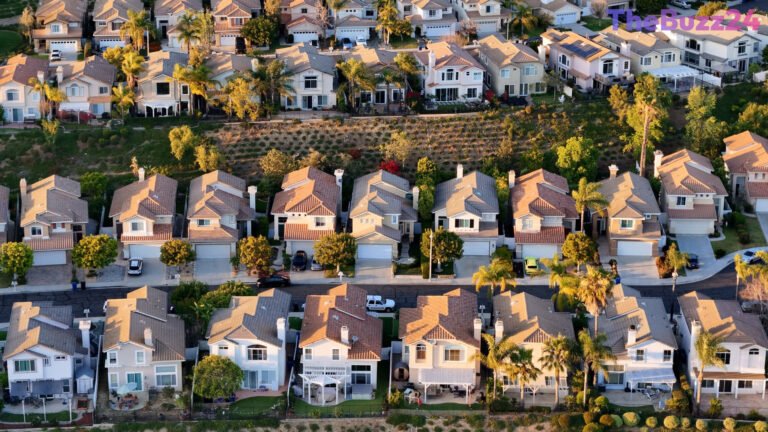
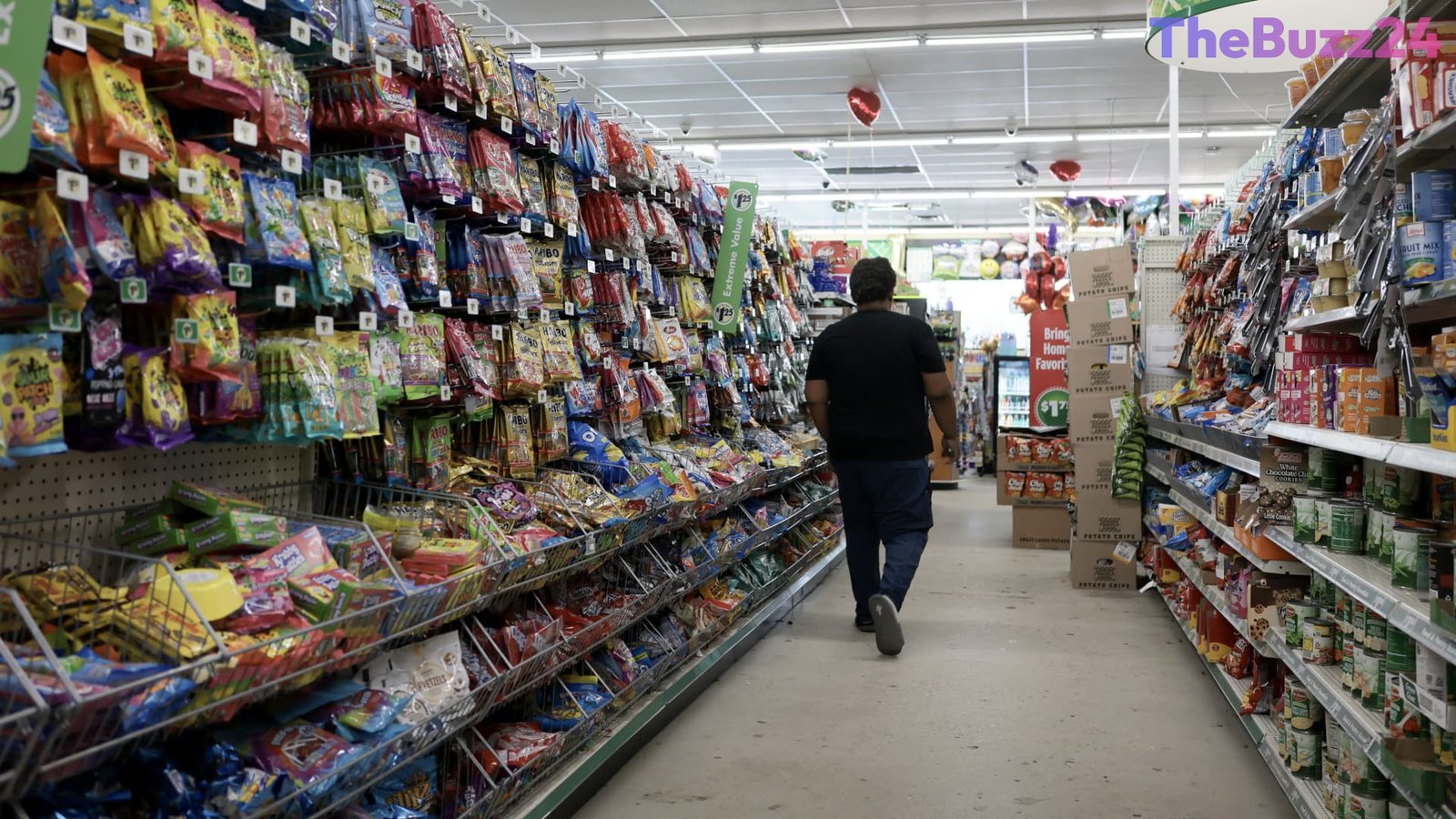
On the ground, American households are experiencing profound pressure on basic budgeting. With consumer sentiment hitting historic lows and cumulative price increases consistently eroding wage gains, purchasing power has diminished significantly. Many consumers have shifted from merely seeking cheaper alternatives to actively sacrificing discretionary spending, cutting back on restaurant visits, entertainment, and travel to cover rising grocery and utility bills. Until wage growth meaningfully outpaces price increases over an extended horizon, financial strain is expected to remain a defining feature of consumer sentiment.
Key Takeaways
- U.S. inflation has remained persistently above the Federal Reserve's 2% benchmark for over five years, marking the longest stretch of elevated price growth this century.
- Central bankers warn that consumer acceptance of high inflation as a normal condition could spark a self-fulfilling wage-price cycle that weakens interest rate tools.
- Prolonged price pressure continues to erode household purchasing power, forcing consumers to cut discretionary spending and driving sentiment to historic lows.
Editor’s Analysis & Impact
The entrenchment of consumer inflation expectations marks a critical turning point for macroeconomic stability. When elevated inflation transitions from a temporary shock into an accepted reality, market psychology fundamentally shifts. Companies price in future overhead proactively, and labor unions demand higher baseline compensation, making disinflation far harder to achieve. For the Federal Reserve, this psychological transition dilutes the potency of conventional rate hikes and increases the likelihood that borrowing costs must stay restrictive for longer. Moving forward, the key challenge is balancing restrictive monetary policy against the risk of broader economic deceleration, all while trying to re-anchor public confidence before higher baseline costs become permanently embedded into commercial agreements and consumer behavior.
Frequently Asked Questions
Q: Why is an 'inflationary mindset' concerning to central banks?
A: When consumers and businesses expect prices to rise indefinitely, businesses raise prices proactively and workers demand higher wages. This creates a self-fulfilling cycle that makes inflation difficult to tame through standard interest rate adjustments.
Q: Does cooling inflation mean prices will return to pre-2021 levels?
A: No. A lower inflation rate means prices are rising at a slower pace, not that they are falling. An actual decline in overall price levels across the economy is known as deflation, which economists generally view as hazardous to growth.
Q: How are households adjusting to prolonged price increases?
A: With cumulative inflation outpacing real wage growth over extended periods, many consumers are scaling back non-essential spending, dining out less, postponing vacations, and prioritizing core necessities such as groceries and utilities.
AI Disclosure: This article is based on verified data and official reports. Our Team and AI have cross-referenced every financial detail with primary sources to ensure total accuracy.
More from this Category