Inflation Rebounds to 3.7% as Geopolitical Conflict and Energy Costs Squeeze the U.S. Economy
Consumer prices in the United States accelerated in September, climbing to an annual rate of 3.7%, up from 3.4% recorded in August. The uptick has intensified pressure on household finances and revived expectations that the Federal Reserve may need to hike interest rates further to bring price stability under control. Core inflation—which excludes volatile food and energy sectors to give a clearer view of underlying trends—also ticked upward, reaching 2.6% compared to 2.4% the previous month.
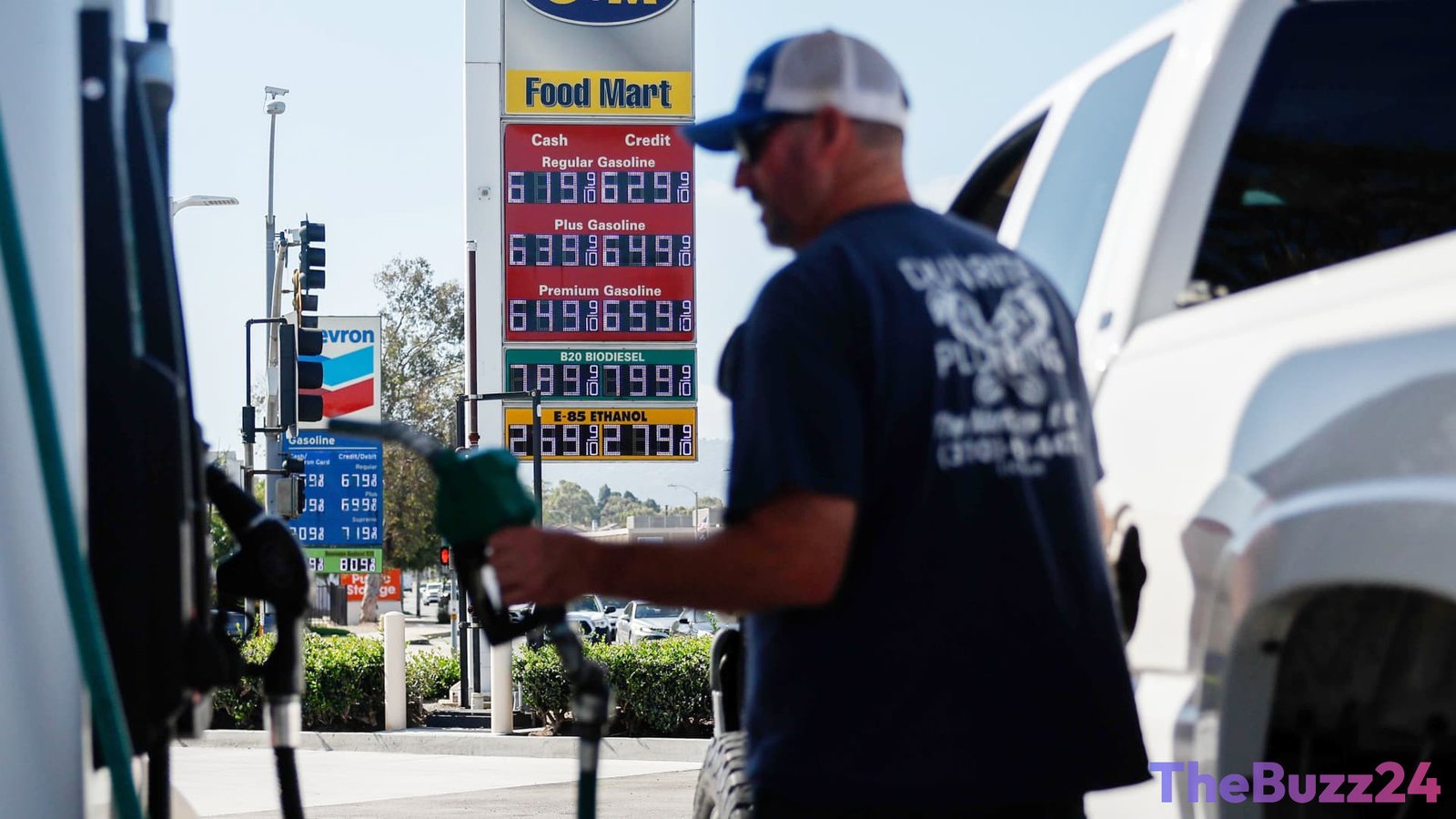
The renewed surge in pricing pressure is largely tied to international turmoil, particularly the ongoing war involving Iran that has bottlenecked maritime transport along the vital Strait of Hormuz. With Middle Eastern refining infrastructure impaired and transit restricted, fuel markets have felt an immediate shock. Nationwide gasoline prices spiked by 9.1% across the month of September alone, accounting for more than half of the headline inflation increase. Meanwhile, average diesel prices stood at $6.30 per gallon—a staggering 68% increase from pre-conflict levels—threatening to drive up distribution costs across freight networks, agriculture, and manufacturing in the months ahead.
Beyond the energy sector, broader structural factors continue to bolster consumer expenses. Strong post-pandemic consumer appetites have kept airline fares up 22% over the past year, while hotel lodging has risen by over 4%. Simultaneously, aggressive capital spending on artificial intelligence data centers has tightened global semiconductor availability. This silicon shortage has reverberated into consumer hardware, leading tech giants such as Apple and Microsoft to introduce price hikes on select laptops, tablets, and gaming hardware. Import tariffs have compounded these logistics and manufacturing expenses, especially on imported toys and recreational goods.
The stubborn persistence of inflation comes at a politically fragile moment, coinciding with widespread public dissatisfaction over the cost of living. Consumer sentiment measures have plummeted to multiyear lows, reflecting broader pessimism about economic momentum despite a modest 0.1% retreat in grocery prices during September. With the central bank committed to its 2% long-term target, financial analysts increasingly predict that benchmark borrowing costs could see upward revisions extending well into 2027.
Key Takeaways
- Headline inflation rose to an annual rate of 3.7% in September, fueled by a 9.1% monthly surge in retail gasoline prices.
- Middle East maritime disruptions have driven diesel prices up roughly 68%, threatening to push freight and logistics expenses into retail goods by winter.
- Elevated core metrics and cross-sector pressures—ranging from AI-driven chip scarcity to tariffs—are expected to prompt further Federal Reserve interest rate hikes.
Editor’s Analysis & Impact
The latest inflation figures indicate that the Federal Reserve’s battle against persistent pricing pressures is far from resolved. While central bankers previously anticipated a gradual cooling toward the 2% objective, external supply shocks—namely the conflict in the Middle East—have fundamentally disrupted supply chains and distorted energy costs. The lag between spiking diesel prices and retail shelf adjustments means that consumer goods could face persistent upward price pressure throughout the holiday quarter. Furthermore, the convergence of traditional commodity shocks with modern technological bottlenecks, such as component shortages triggered by the AI infrastructure boom, creates an intricate policy challenge. Should the Fed respond with additional interest rate increases, borrowing costs for consumer debt and mortgages will escalate further, elevating recession risks in early 2027.
Frequently Asked Questions
Q: What caused the sharp increase in the September inflation rate?
A: The primary catalyst was a steep rise in energy and fuel costs, notably a 9.1% monthly jump in retail gasoline and elevated diesel prices linked to transport disruptions in the Middle East. Secondary factors include import tariffs, strong demand in travel services, and hardware supply shortages driven by the rapid expansion of AI data centers.
Q: How might the Federal Reserve respond to the latest CPI figures?
A: With both headline and core inflation showing renewed momentum, economists expect the Federal Reserve will maintain a hawkish stance, potentially implementing additional interest rate hikes between late 2026 and spring 2027 to suppress lingering demand-side pressures.
Q: Why are tech companies raising hardware prices alongside energy spikes?
A: The aggressive development of AI data centers has created extreme demand for specialized computer chips and memory components. Because these components are shared across broader consumer electronics, supply constraints have forced companies like Apple and Microsoft to raise retail prices on devices like laptops, tablets, and gaming consoles.
AI Disclosure: This article is based on verified data and official reports. Our Team and AI have cross-referenced every financial detail with primary sources to ensure total accuracy.
More from this Category