Trump Reverses Decision to Livestream Fort Hood Shooter’s Execution
President Donald Trump has officially canceled plans to livestream the upcoming execution of Nidal Hasan, the former Army psychiatrist responsible for the 2009 Fort Hood shooting. While the execution by firing squad remains scheduled for December 3, 2026, the administration has opted against broadcasting the event to the public following a wave of domestic and international backlash.
Initially, the Pentagon had proposed the livestream as a means of demonstrating the consequences of terrorism. However, the proposal drew sharp condemnation from human rights organizations and global observers, with the United Nations labeling the plan as abhorrent. Trump noted that while he initially viewed the broadcast as a potential deterrent, he ultimately decided against it after acknowledging that many citizens would prefer not to witness the event.
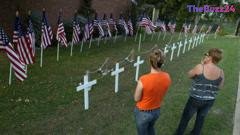
Despite the reversal on the livestream, the administration maintains that the execution will proceed as planned. The families of the 13 victims killed in the 2009 attack—the deadliest non-combat incident on a U.S. military base—will still be permitted to witness the proceedings in person. Defense Secretary Pete Hegseth, who had previously championed the livestream, has stated that he is fully aligned with the President’s updated decision.
Legal experts and critics have pointed to the complexities of the case, noting that Hasan, who is paralyzed from the chest down, has been at the center of a long-standing military justice process. The execution will mark the first time the U.S. military has carried out a death sentence in over six decades, a milestone that continues to spark intense debate regarding military regulations and the ethics of capital punishment.
Key Takeaways
- President Trump has canceled the planned livestream of Nidal Hasan's execution by firing squad.
- The execution remains scheduled for December 3, 2026, and will be the first military execution in over 60 years.
- Victims' families will still be allowed to attend the execution in person, despite the cancellation of the public broadcast.
Editor’s Analysis & Impact
The reversal of the livestream decision reflects a strategic retreat by the administration in the face of significant ethical and diplomatic pressure. By canceling the broadcast, the government avoids setting a controversial precedent for public executions in the digital age, which could have invited further international scrutiny and domestic legal challenges. However, the event itself remains a historic and polarizing moment for the U.S. military justice system. The broader implications suggest a tension between the desire for retributive justice and the maintenance of institutional norms. Moving forward, this case will likely serve as a primary reference point in debates regarding the transparency of capital punishment and the limits of executive authority in military legal proceedings, potentially influencing future policy discussions on how the state handles high-profile terrorist offenders.
Frequently Asked Questions
Q: Is Nidal Hasan still going to be executed?
A: Yes, the execution by firing squad is still scheduled to take place on December 3, 2026.
Q: Why was the livestream of the execution canceled?
A: The decision was reversed following widespread criticism from human rights groups and global entities, with the President noting that many people would prefer not to watch the event.
AI Disclosure: This article is based on verified data and official reports. Our Team and AI have cross-referenced every financial detail with primary sources to ensure total accuracy.
More from this Category