Choking Skies: Singapore Confronts Severe Haze Crisis as Leadership Threatens Legal Action
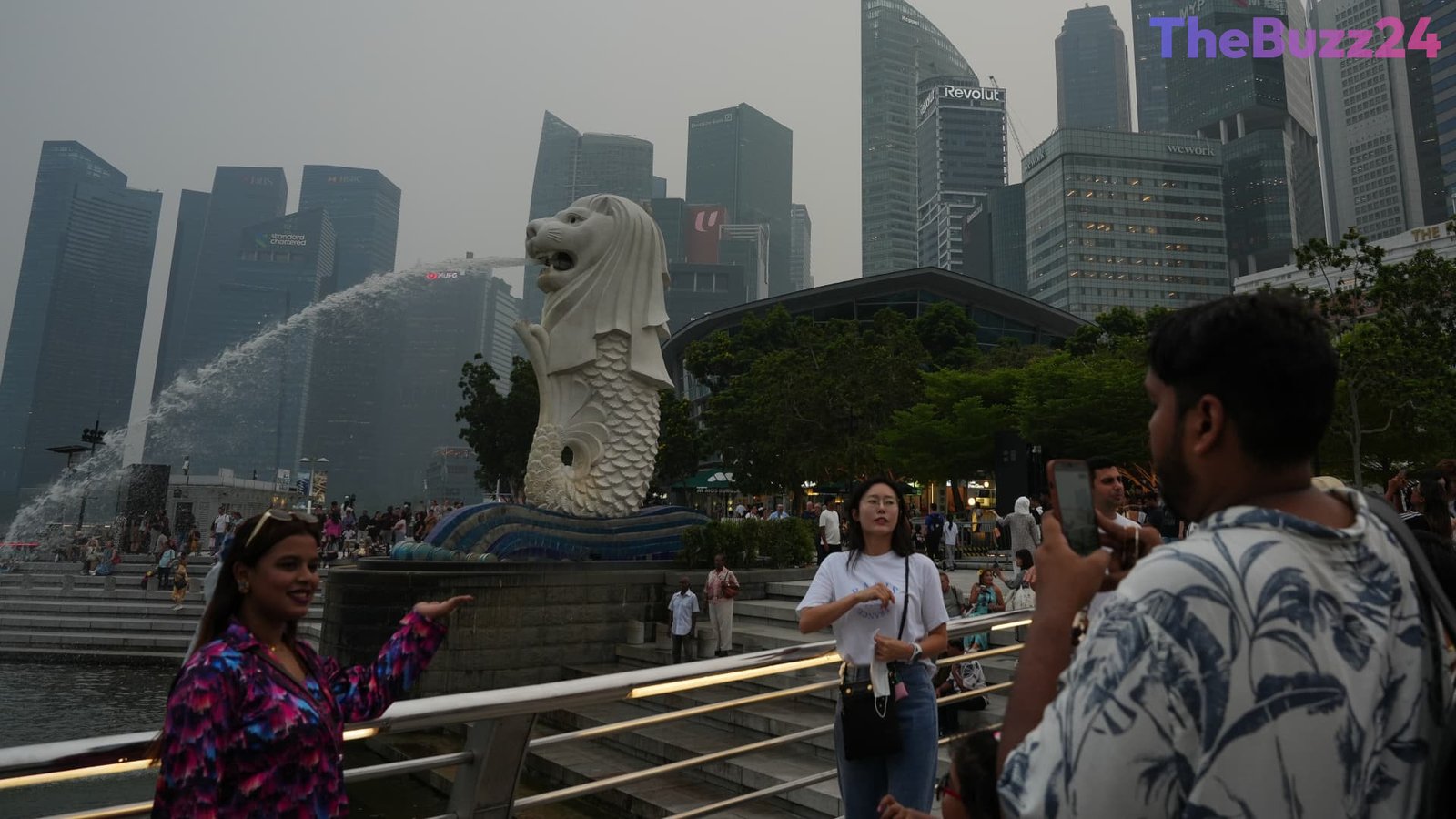
Singapore is facing a severe environmental challenge as dense smoke from persistent wildfires in the region blankets the city-state, driving air pollution to unhealthy levels and disrupting normal daily operations. The deteriorating air quality, which recently crossed into hazardous thresholds for the first time in nearly three years, has triggered widespread public health concerns and prompted government intervention. Authorities are closely monitoring the situation as visibility drops and environmental conditions continue to impact both residents and local commerce.
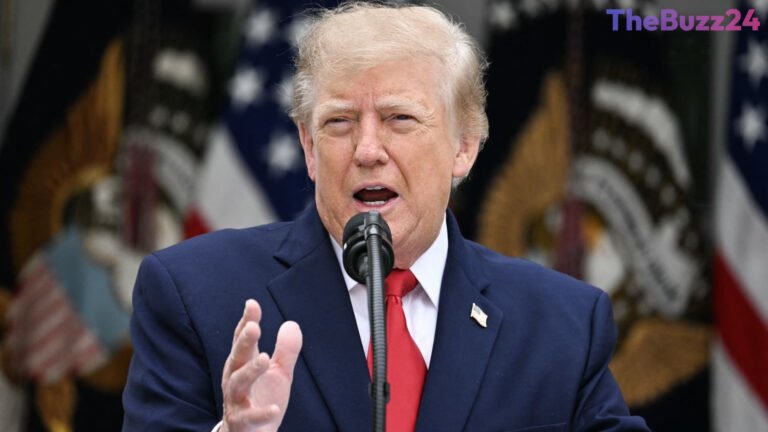
In response to the crisis, Prime Minister Lawrence Wong has signaled a firm stance against entities linked to the environmental damage. Utilizing legislative frameworks designed to hold polluters accountable across borders, the government is investigating corporations potentially responsible for the forest and peatland blazes fueling the smoke. Simultaneously, regional neighbors are stepping up diplomatic and operational efforts, with Malaysia offering resource deployment, such as water bombers, to assist in subduing the fires at their source through coordinated Southeast Asian cooperation.
The economic and operational fallout is already rippling through various sectors in Singapore. Aviation has faced direct disruptions, including multiple flight diversions at Seletar Airport due to compromised visibility. Major hospitality venues, such as Marina Bay Sands, have adjusted operations by suspending prolonged outdoor activities and distributing protective gear and air purifiers to guests. Meanwhile, essential service providers and gig economy platforms like Grab have actively distributed masks and issued health advisories to safeguard outdoor workers navigating the murky conditions during high-profile international gatherings like Singapore International Cyber Week.
Key Takeaways
- Singapore's air quality has plunged to unhealthy levels due to transboundary smoke from regional wildfires, marking the worst haze event in nearly three years.
- Prime Minister Lawrence Wong has warned that legal action under the Transboundary Haze Pollution Act may be pursued against companies responsible for the fires.
- The crisis has caused logistical disruptions, including flight diversions at Seletar Airport, suspended outdoor hospitality activities, and health advisories for delivery workers.
Editor’s Analysis & Impact
The recurring transboundary haze crisis in Southeast Asia highlights the delicate balance between regional economic development and environmental sustainability. Beyond the immediate public health concerns and localized economic dips in tourism, aviation, and hospitality, this crisis underscores the urgent need for robust, enforceable regional frameworks within ASEAN. As prime ministers and ministers call for joint operational assistance, including shared firefighting resources and legal accountability mechanisms, the long-term outlook will depend heavily on whether nations can enforce stricter agricultural and land-clearing regulations. For global investors and local businesses alike, supply chain resilience and operational continuity during environmental disruptions are becoming increasingly critical risk factors that demand proactive corporate mitigation strategies.
Frequently Asked Questions
Q: What is causing the severe haze in Singapore?
A: The haze is primarily caused by smoke drifting from forest and peatland wildfires in neighboring Indonesia, exacerbated by regional weather patterns.
Q: How is the Singaporean government responding to the crisis?
A: The government is distributing masks to vulnerable populations, issuing health advisories, preparing support measures, and investigating companies potentially responsible for the fires under the Transboundary Haze Pollution Act.
Q: Are neighboring countries affected by the haze as well?
A: Yes, Malaysia is also experiencing the effects of the worsening haze, prompting Malaysian officials to call for a coordinated regional response and offer resources like water bombers to help fight the fires.
AI Disclosure: This article is based on verified data and official reports. Our Team and AI have cross-referenced every financial detail with primary sources to ensure total accuracy.
More from this Category