The End of Exclusivity: How the AI Boom is Shattering Venture Capital Norms
For decades, the venture capital industry operated under a strict, unwritten code: firms would not invest in competing startups. This pact was designed to protect founder trust and ensure that investors remained fully aligned with the success of their portfolio companies. However, the rapid acceleration of the artificial intelligence sector is forcing a fundamental reassessment of this long-standing tradition, as firms find themselves increasingly entangled in conflicts of interest.
Recent industry tensions have brought this issue to the forefront. High-profile disputes, such as the public fallout between AI software startup Factory and its former board observer Chris Degnan—who subsequently joined rival firm Cognition—have highlighted the precarious nature of modern venture investments. Even powerhouse investors like Khosla Ventures have found themselves backing direct competitors, leading to public friction that would have been unthinkable in previous investment cycles.
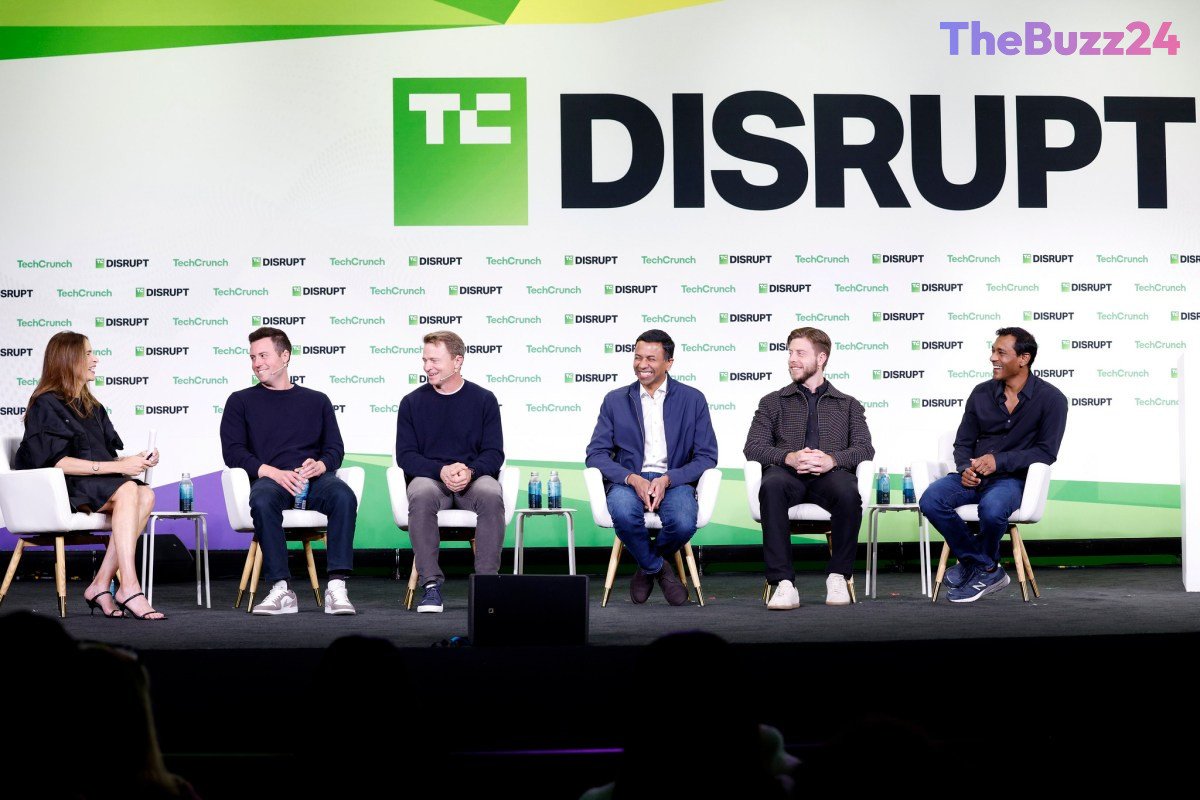
Prominent venture firm Benchmark, known for its deep, long-term partnerships with early-stage founders, recently addressed these shifting dynamics. Partners at the firm acknowledged that while they still prioritize exclusivity at the earliest stages of a company’s lifecycle, the rapid pace of AI development makes conflict almost inevitable. As startups pivot and expand their product offerings, they frequently drift into the territory of other portfolio companies, turning once-distinct investments into direct rivals.
Industry leaders suggest that as the cost of software development continues to plummet, founders are becoming more ambitious, seeking to capture larger swaths of the market. This expansionist mindset, combined with the sheer speed of AI innovation, means that venture firms must now navigate a complex landscape where traditional boundaries are blurring. While firms like Benchmark maintain that transparency and founder loyalty remain paramount, the era of absolute investment exclusivity appears to be coming to an end.
Key Takeaways
- The traditional venture capital rule against backing competing startups is eroding due to the rapid pace of AI innovation.
- Startups are increasingly pivoting into each other's territory, creating unavoidable conflicts of interest for their shared investors.
- While top-tier firms still value early-stage exclusivity, they acknowledge that market dynamics are forcing a shift toward more flexible, albeit complex, investment strategies.
Editor’s Analysis & Impact
The erosion of the ‘no-compete’ pact in venture capital signals a maturation—and perhaps a dilution—of the traditional VC-founder relationship. Historically, the value proposition of a VC firm was rooted in deep, singular commitment. However, the AI gold rush has created a ‘winner-take-all’ environment where investors feel compelled to bet on multiple horses to ensure they don’t miss the next transformative platform. This shift carries significant long-term implications: it risks eroding the trust that is the bedrock of early-stage investing. As conflicts become more frequent, we can expect to see more rigorous legal frameworks and ‘information firewalls’ implemented within VC firms to manage these overlaps. Ultimately, the industry is moving toward a model that resembles public market stock picking, where capital allocation is prioritized over the intimate, hands-on guidance that defined the venture capital model for the last thirty years.
Frequently Asked Questions
Q: Why are venture capital firms now backing competing AI companies?
A: The rapid pace of AI development and the tendency for startups to pivot quickly mean that companies often expand into each other's markets after receiving initial funding, creating accidental competition within a firm's portfolio.
Q: Is the traditional venture capital pact against backing rivals officially dead?
A: It is not officially dead, but it is under significant strain. While firms still strive for exclusivity at the earliest stages, they acknowledge that the current market reality makes it increasingly difficult to avoid conflicts as companies evolve.
AI Disclosure: This article is based on verified data and official reports. Our Team and AI have cross-referenced every financial detail with primary sources to ensure total accuracy.
More from this Category