AI’s Power Play: Data Centers Become Midterm Election Flashpoint
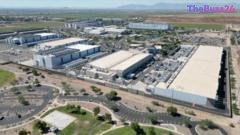
The rapid expansion of data centers, critical infrastructure powering America’s artificial intelligence boom, is emerging as a significant political flashpoint as the nation approaches its midterm elections. These facilities, while vital for technological advancement, are drawing increasing scrutiny over their substantial resource demands.
In Washington, a new legislative proposal is under consideration that would mandate data centers cover the additional electricity infrastructure costs they generate. This move reflects a growing concern over the strain placed on existing power grids. Conversely, former President Donald Trump has championed the expansion of these centers, with supporters often highlighting the economic investment and the crucial role they play in America’s technological future.
However, the environmental and resource implications are sparking considerable debate at the state level. Arizona’s attorney general, for instance, has called for a moratorium on new data center approvals, citing serious concerns about the immense water and electricity consumption required to operate them. The heat output from a single data center can be equivalent to that produced by tens of thousands of households, further exacerbating local resource challenges and raising questions about sustainable growth.
Key Takeaways
- Data centers, crucial for AI, are a significant political issue in the US, especially before midterm elections, due to their resource demands.
- A proposal in Washington seeks to mandate data centers cover their electricity infrastructure costs, contrasting with former President Trump's support for their expansion.
- Arizona's Attorney General has called for a halt on new data center approvals due to concerns over immense water and electricity consumption, and heat generation.
Editor’s Analysis & Impact
The escalating debate around data center expansion underscores a critical tension between technological advancement and resource sustainability. For the tech industry, particularly AI, continued growth hinges on robust infrastructure, but the increasing scrutiny over energy and water consumption could lead to stricter regulations and higher operational costs. This could shift investment patterns, potentially favoring regions with abundant resources or those offering incentives for sustainable practices. Politically, the issue is likely to gain traction, influencing local and national elections as communities grapple with the environmental impact versus economic benefits. Companies may need to prioritize green data center technologies and transparent reporting to maintain public trust and ensure long-term viability in an increasingly resource-conscious world.
Frequently Asked Questions
Q: Why are data centers becoming a political issue?
A: Data centers, essential for powering AI and other digital services, consume vast amounts of electricity and water. This high resource demand is raising concerns about environmental impact, infrastructure strain, and local resource availability, making them a subject of political debate, particularly in regions like Arizona.
Q: What is the main concern raised by Arizona's Attorney General regarding data centers?
A: Arizona's Attorney General has called for a pause on new data center approvals primarily due to worries about their significant water and electricity consumption. The heat generated by these facilities also contributes to environmental concerns, impacting local resources.
Q: What is the proposed solution in Washington regarding data center costs?
A: A new proposal in Washington aims to require data centers to bear the additional electricity infrastructure costs they create. This initiative seeks to ensure that the industry contributes directly to mitigating the strain their operations place on existing power grids.
AI Disclosure: This article is based on verified data and official reports. Our Team and AI have cross-referenced every financial detail with primary sources to ensure total accuracy.
More from this Category