Five-Day Tenure: Katie Zacharia Steps Down as White House Press Secretary Amid Scrutiny
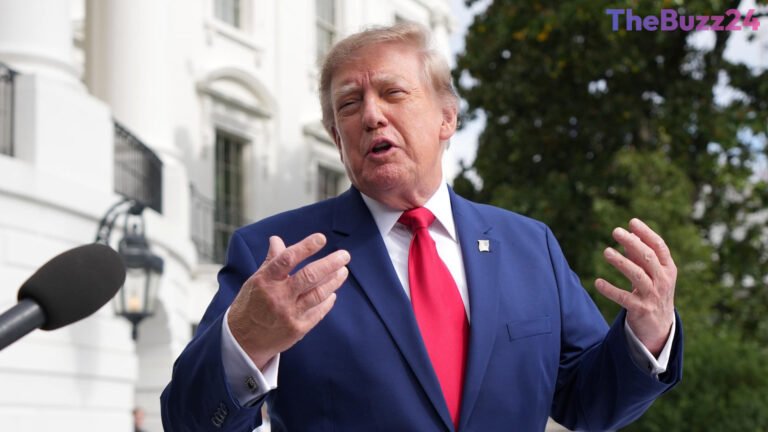
Katie Zacharia has concluded her tenure as White House press secretary after an exceptionally brief five-day period, marking one of the shortest stints in a high-profile administration role. Her departure follows a wave of criticism regarding her performance during her initial press briefing and increasing scrutiny over her professional legal qualifications. President Donald Trump confirmed her exit, stating he had personally suggested to Zacharia that she did not need to continue in the demanding position if she chose not to.
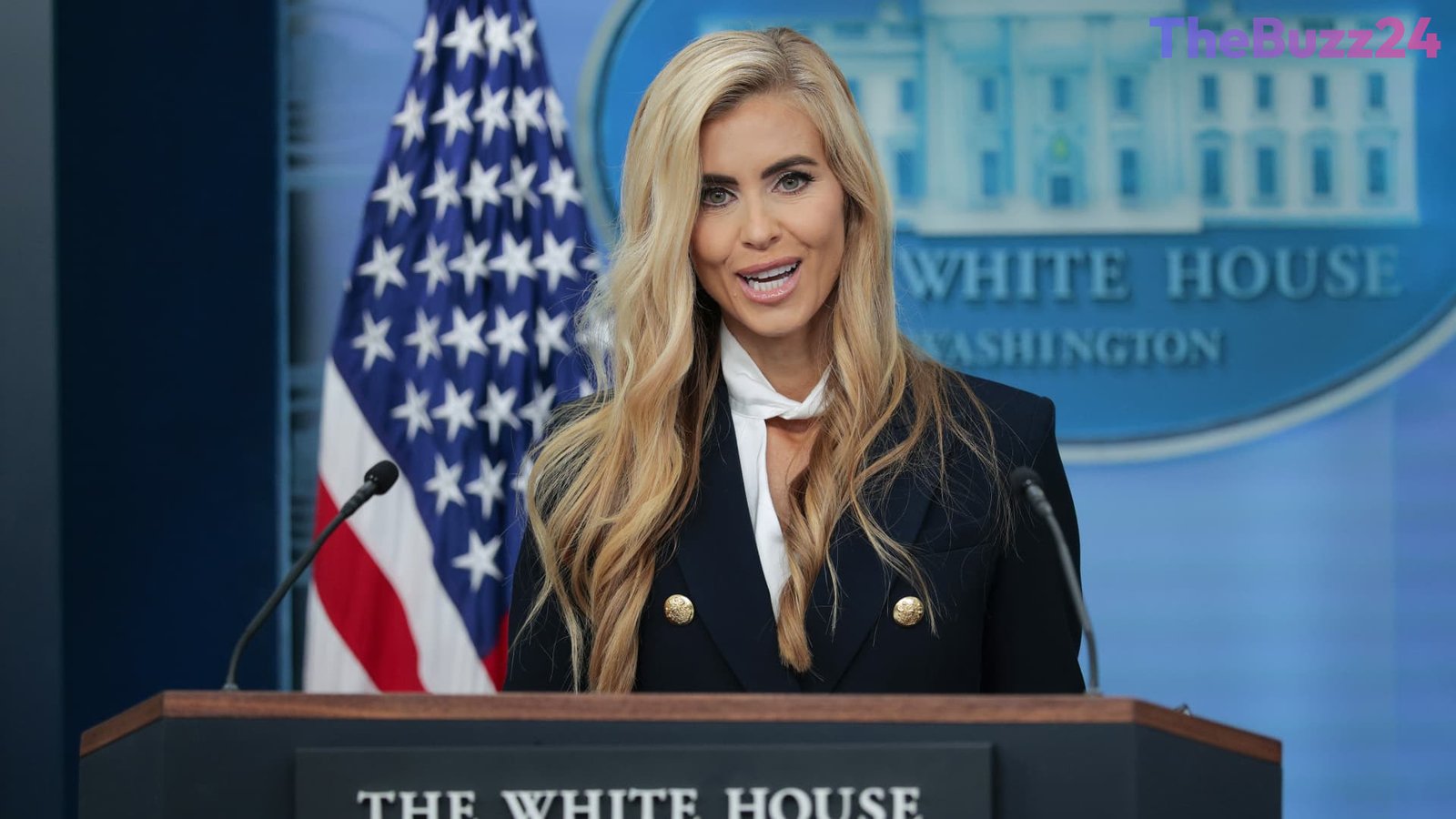
Zacharia, who succeeded Karoline Leavitt, faced immediate public and media backlash after her first and only press briefing. The session was notably short and perceived as unsteady, during which she revealed the request for U.S. Ambassador to Greece Kimberly Guilfoyle to step down. Beyond her performance, questions arose concerning her legal background, specifically whether she had passed a bar examination despite identifying herself as a lawyer and, at times, an attorney. This controversy was highlighted during a television appearance where she clarified her use of the terms, attributing some instances of being called an “attorney” to retweets.
The swift exit draws parallels to Anthony Scaramucci’s 2017 eleven-day term as White House communications director, a period often humorously referenced for its brevity. While White House communications director Steven Cheung initially defended Zacharia, praising her early contributions, reports indicated that President Trump was reportedly embarrassed by the negative coverage and found little support for Zacharia among his aides when he sought their opinions. Trump, however, publicly defended Zacharia, attributing the intense scrutiny to unfair media treatment. Her departure comes as the administration navigates a critical period just weeks before the midterm elections.
Key Takeaways
- Katie Zacharia served an exceptionally brief five-day term as White House press secretary.
- Her departure was prompted by widespread criticism of her performance and questions regarding her legal qualifications.
- President Trump personally suggested her resignation, citing the intense pressure she faced.
Editor’s Analysis & Impact
Katie Zacharia’s rapid departure from the White House press secretary role underscores the intense pressure and scrutiny inherent in high-profile political communications. This swift turnover could signal potential instability within the administration’s messaging apparatus, particularly as it approaches critical midterm elections. For the political landscape, such short tenures can create a perception of disarray, potentially impacting public confidence and the effectiveness of policy communication. The controversy surrounding her legal background also highlights the critical importance of thorough vetting for senior government positions. Looking ahead, the administration will need to quickly stabilize its communications team to project a consistent and credible message, especially with upcoming electoral challenges.
Frequently Asked Questions
Q: Who is Katie Zacharia?
A: Katie Zacharia briefly served as the White House press secretary, succeeding Karoline Leavitt, before her departure after just five days in the role.
Q: Why did Katie Zacharia leave her position so quickly?
A: Her departure followed widespread criticism of her performance during her first press briefing and mounting scrutiny regarding her legal background, specifically questions about whether she had passed a bar examination.
Q: What was the controversy surrounding her legal background?
A: Zacharia faced questions about identifying herself as a "lawyer" or "attorney" despite reports suggesting she had not passed a bar exam. She clarified her use of the terms, distinguishing between being a lawyer and an attorney, and attributed some instances to retweets.
AI Disclosure: This article is based on verified data and official reports. Our Team and AI have cross-referenced every financial detail with primary sources to ensure total accuracy.
More from this Category