Rooted in Real Estate: Why Institutional and Young Investors Are Eyeing Timberland
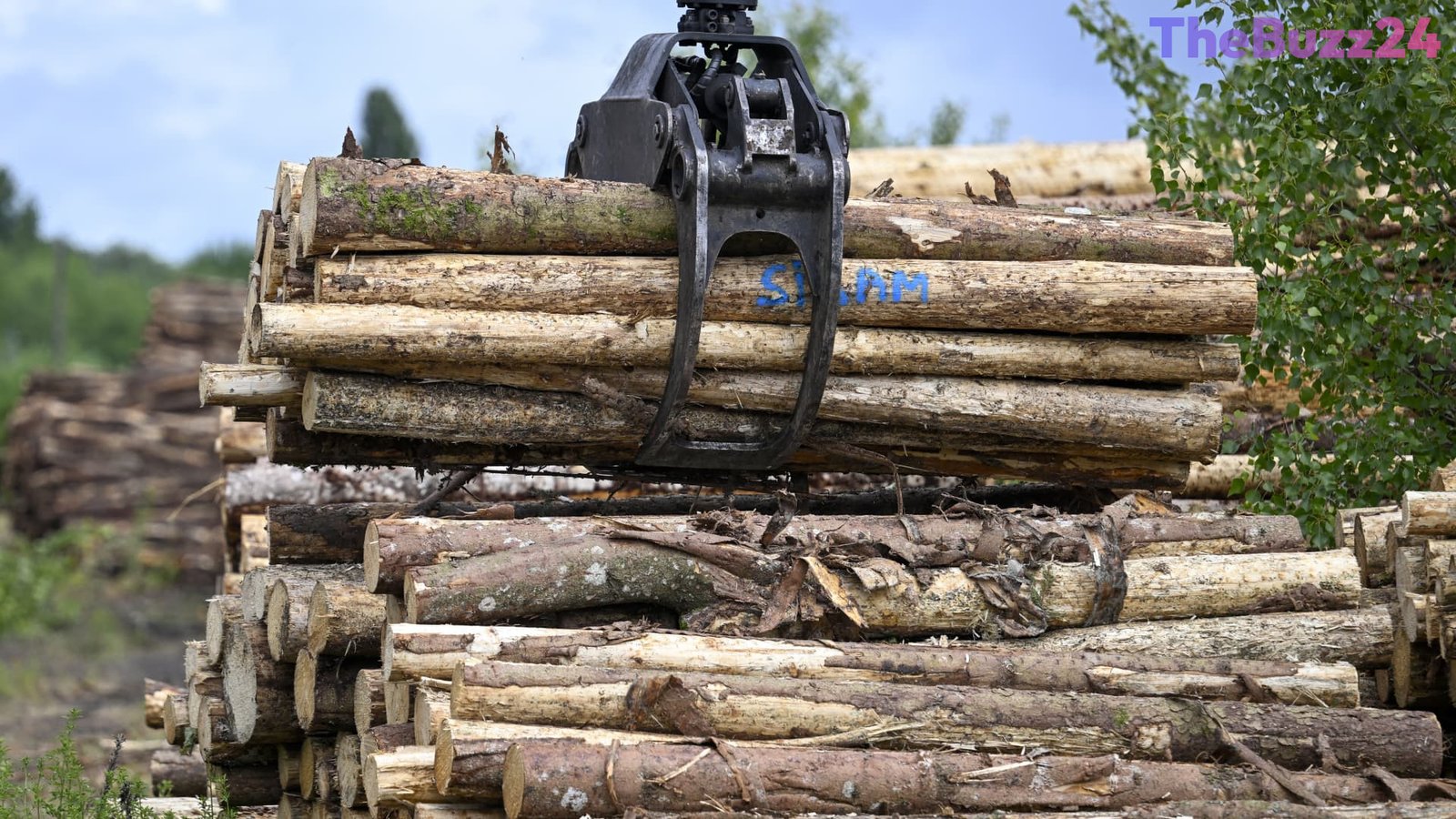
Institutional investors are pouring capital into American timberland at a steady pace of one million acres annually, drawn to the promise of a tangible, self-growing asset. While traditional safe havens like gold and government bonds remain the go-to choices during economic uncertainty, natural resources are increasingly capturing the attention of long-term investors seeking alternatives to traditional markets. The pitch is straightforward: an organic commodity that matures over time, providing utility for recreation, hunting, and land appreciation while investors wait for harvest.
However, experienced landowners and market participants caution that the reality of timber investing is far less romantic and significantly more complex than the simple idea of watching trees grow. Lumber prices have faced downward pressure since mid-2022, largely driven by a sluggish housing economy that has created an oversupply of timber. Because high-value timber destined for residential construction can take up to twenty-five years to fully mature, direct ownership requires immense patience. Furthermore, managing forest properties is far from passive. Owners must contend with high illiquidity, ongoing property taxes, management costs, and external threats ranging from wildfires and pests to illegal logging and localized pricing discrepancies.
Beyond direct land ownership, a growing segment of younger investors—many of whom face hurdles in the traditional residential housing market—are exploring alternative exposure through specialized exchange-traded funds (ETFs). Rather than owning physical acreage or standing timber, these financial instruments offer liquid exposure to publicly traded forestry companies, paper manufacturers, and wood-product corporations tied to the broader construction value chain. Financial advisors emphasize that while timberland offers solid strategic diversification and long-term secular support from housing and bioenergy trends, prospective buyers must carefully weigh the low short-term yields, extensive management requirements, and local market volatility before planting their capital.
Key Takeaways
- Institutional investors are acquiring U.S. timberland at a rate of approximately one million acres per year, playing a long-term strategic game.
- Despite the appeal of a tangible, self-growing asset, short-term profits are constrained by declining lumber prices and a sluggish housing market.
- Alternative access is available through niche timber ETFs, which offer liquid exposure to forestry and wood-product companies rather than direct land ownership.
Editor’s Analysis & Impact
The sustained institutional accumulation of U.S. timberland highlights a broader structural shift toward hard assets as a hedge against macroeconomic volatility. While retail enthusiasm—particularly among younger demographics priced out of traditional real estate—points to a growing appetite for alternative wealth storage, the asset class demands a high degree of financial patience. Timber is fundamentally illiquid, highly localized, and subject to biological and environmental risks that make short-term gains challenging. Looking ahead, the interplay between housing market recovery, bioenergy demand, and land appreciation will dictate whether timberland can deliver on its long-term promise. For everyday investors, understanding the distinction between direct land stewardship and liquid forestry equities remains critical to managing return expectations in this niche sector.
Frequently Asked Questions
Q: Why are institutional investors buying timberland?
A: Institutions view timberland as a strategic, long-term asset that provides diversification, biological growth, land appreciation, and protection against inflation, driven by secular trends like housing demand and bioenergy.
Q: Is direct timberland ownership a passive investment?
A: No. Direct ownership involves significant management costs, property taxes, harvesting expenses, and ongoing monitoring for risks such as wildfires, pests, diseases, and trespassing.
Q: How can retail investors gain exposure to timber without buying land?
A: Investors can purchase shares in timber-focused exchange-traded funds (ETFs), which track publicly traded companies involved in forestry, paper manufacturing, and the broader housing supply chain.
AI Disclosure: This article is based on verified data and official reports. Our Team and AI have cross-referenced every financial detail with primary sources to ensure total accuracy.
More from this Category