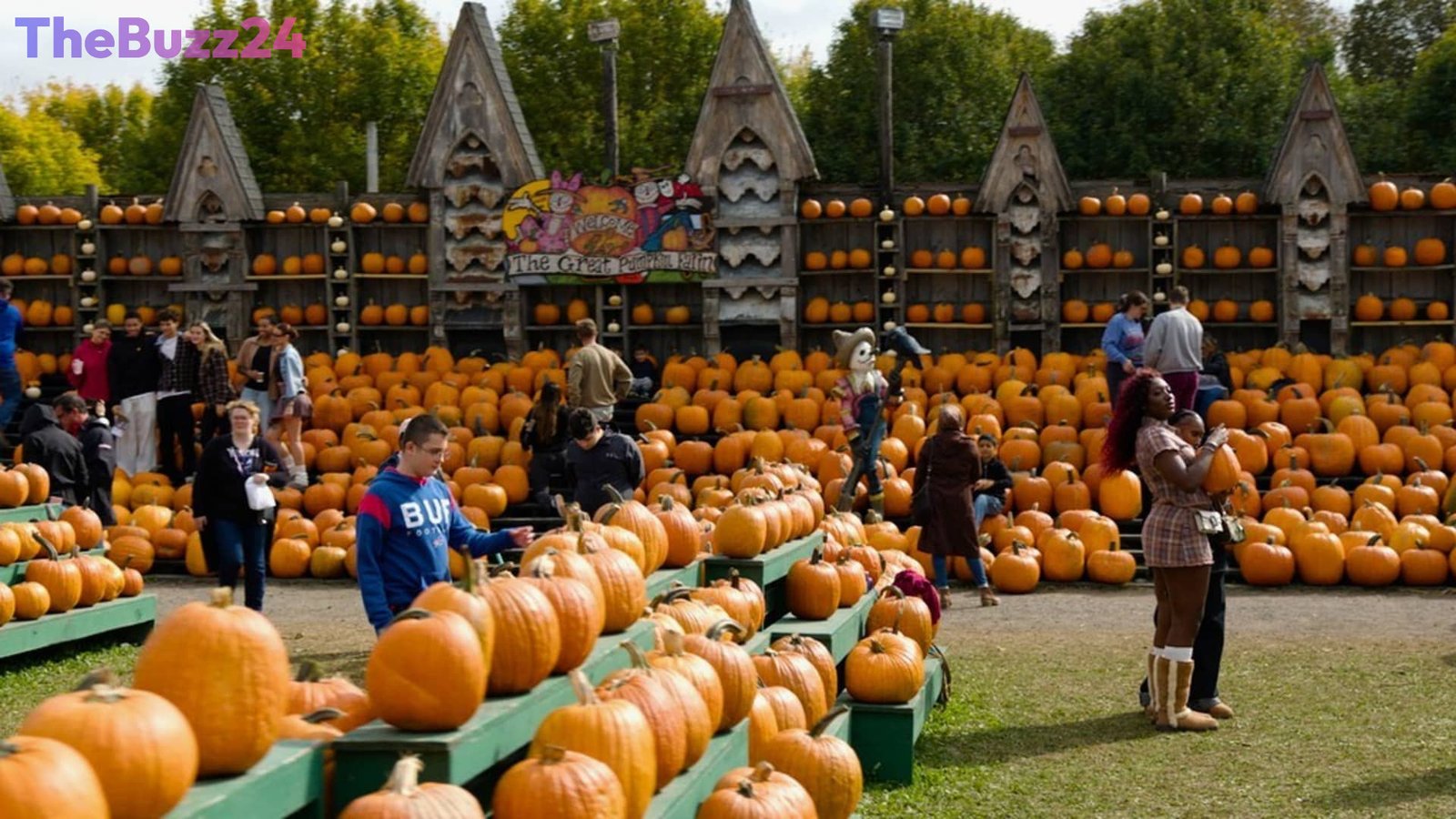
From Laughable Idea to $2 Million Empire: The Great Pumpkin Farm’s Remarkable Rise
What began as a seemingly outlandish idea three decades ago has blossomed into a thriving agricultural and entertainment enterprise. Kelly Schultz, now 74, faced widespread skepticism when he decided to venture into pumpkin farming in 1993, despite having no prior agricultural experience. Armed with a vision and a second-generation antique seller’s business acumen, Schultz purchased a small farm in Clarence, New York, with the audacious goal of creating a destination.
Today, The Great Pumpkin Farm, located just northeast of Buffalo, stands as a testament to Schultz’s perseverance. The seasonal attraction draws over 100,000 visitors annually and, in 2025, generated an impressive $2 million in revenue, all within a seven-week operating window. The farm has evolved far beyond a simple pumpkin patch, offering a comprehensive fall festival experience. For a $20 weekend admission, visitors can enjoy a pumpkin-themed train, a sprawling corn maze, pie-eating contests, and a host of other family-friendly activities, underscoring the significant economic potential of seasonal celebrations like Halloween.
Schultz’s initial inspiration stemmed from observing the success of other, less polished pumpkin patches. Recognizing an opportunity to improve the visitor experience, he acquired an 85-acre property. A pivotal moment in the farm’s history occurred in 1996 when Schultz, with the help of local farmers, learned to cultivate his own gourds and hosted the World Pumpkin Weigh-Off. By offering a substantial prize for a pumpkin exceeding 1,000 pounds, the event garnered international media attention, catapulting The Great Pumpkin Farm into the spotlight. This tradition continues, with this year’s heaviest pumpkin tipping the scales at an astonishing 1,908.5 pounds.
The farm’s success is built on a multifaceted approach to entertainment and customer engagement. While Schultz now sources most of his pumpkins from neighboring farms to meet demand, the iconic 50-foot pumpkin pyramid remains a visual draw. Beyond the admission-included attractions like hayrides and live music, visitors can opt for additional experiences such as pumpkin cannons and themed paintball rides. The farm also caters to different paces, offering a more relaxed weekday experience with access to shops and outdoor amenities. The operation requires a significant workforce, employing over 100 seasonal staff, and faces challenges like rising fuel costs, which Schultz addresses by reinvesting profits back into the business rather than drastically increasing prices.
Looking ahead, The Great Pumpkin Farm is being cultivated as a generational legacy. Kelly Schultz’s son, Ben, has been actively involved in managing the farm and antique businesses for the past 25 years, expressing pride in his father’s creation. The involvement of Kelly’s grandchildren further solidifies the farm’s future as a family-centric enterprise. Despite the intense activity during its operating season, the farm undergoes a significant shutdown and cleanup post-Halloween, with a dedicated year-round staff maintaining the grounds and facilities, ready for the next autumn season.
Key Takeaways
- The Great Pumpkin Farm, started by Kelly Schultz with no prior farming experience, now generates $2 million annually in revenue within a seven-week season.
- A pivotal moment for the farm was hosting the World Pumpkin Weigh-Off in 1996, which attracted global media attention and put the business on the map.
- The farm has evolved into a family operation, with Schultz's son and grandchildren involved, aiming to continue its growth as a generational business.
Editor’s Analysis & Impact
The success of The Great Pumpkin Farm highlights a significant trend in experiential retail and agritourism. By transforming a seasonal crop into a comprehensive entertainment destination, Kelly Schultz has tapped into the growing consumer demand for unique, family-oriented activities. The farm’s ability to generate substantial revenue in a short operating window, coupled with its strategic reinvestment and expansion plans, demonstrates a robust business model. The generational aspect suggests a sustainable future, positioning the farm not just as a business, but as a lasting family legacy. This model offers valuable insights for other agricultural producers looking to diversify and capture a larger share of the leisure market.
Frequently Asked Questions
Q: How did The Great Pumpkin Farm become so successful?
A: The farm's success is attributed to its transformation from a simple pumpkin patch into a full-fledged fall festival with numerous attractions, effective marketing, and a focus on creating a memorable visitor experience. Hosting the World Pumpkin Weigh-Off also significantly boosted its profile.
Q: What kind of attractions does The Great Pumpkin Farm offer?
A: The farm offers a wide range of activities, including a pumpkin-themed train, a giant corn maze, hayrides, pie-eating contests, magic shows, live music, a petting zoo, and for an additional fee, amusement rides, pumpkin cannons, and a zombie paintball train.
Q: Is The Great Pumpkin Farm a year-round business?
A: No, The Great Pumpkin Farm operates seasonally, primarily for seven weeks in the fall leading up to Halloween. After the season ends, a smaller team works on maintenance and preparation for the following year.
AI Disclosure: This article is based on verified data and official reports. Our Team and AI have cross-referenced every financial detail with primary sources to ensure total accuracy.
More from this Category