US Diesel Deal with Russia Sparks Concern for Ukraine’s War Effort
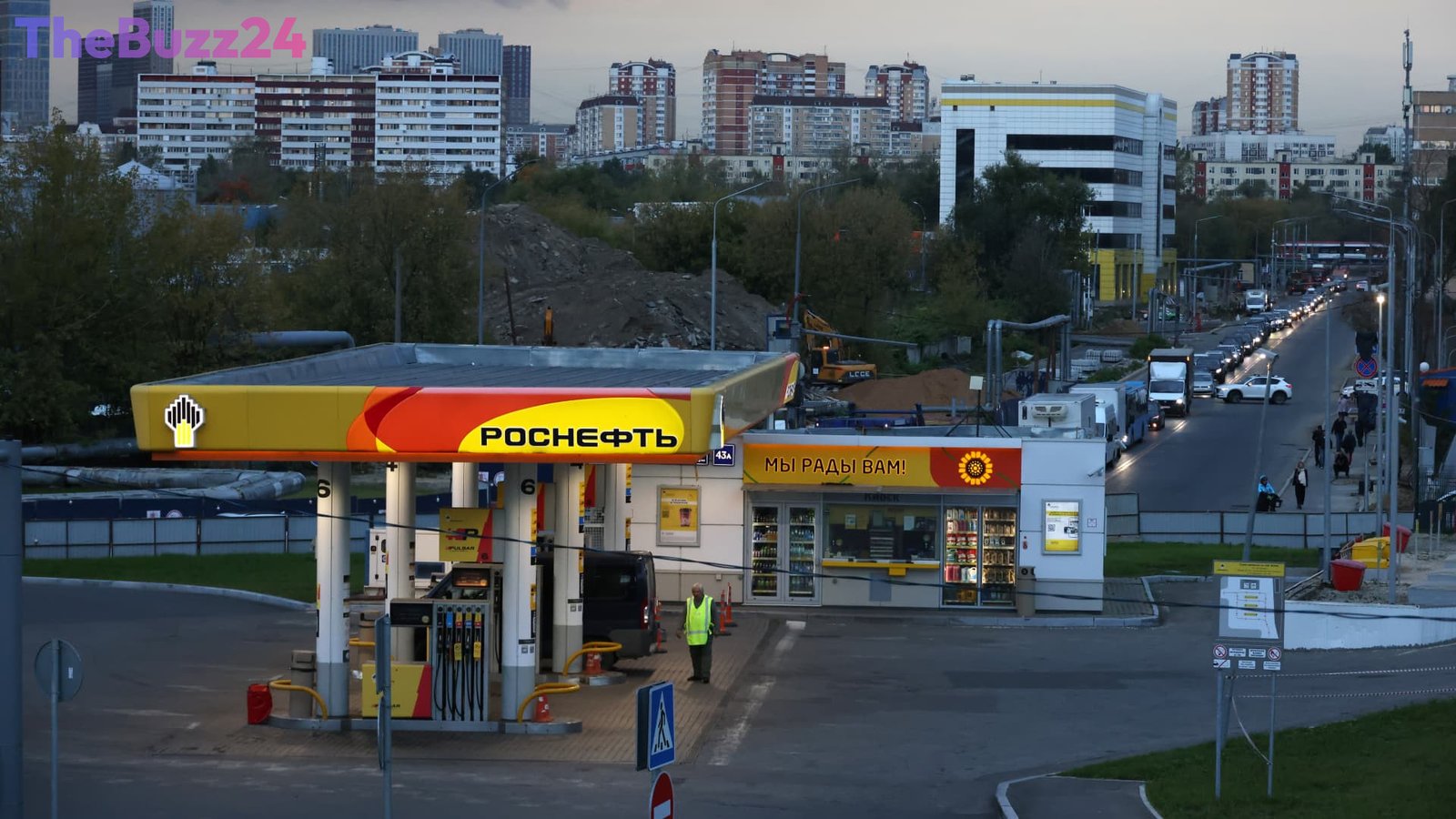
A recent decision by the United States to ease sanctions, allowing Russia to supply diesel to global markets, is raising significant questions about Washington’s commitment to Ukraine and potentially emboldening Moscow. While the financial benefits for Russia are deemed minimal by experts, the political implications are considered substantial, potentially encouraging further demands from the Kremlin.
President Volodymyr Zelenskyy has publicly criticized the U.S. waiver, stating it benefits Russia and fuels its aggression. The move comes as Ukraine faces increasing uncertainty regarding its long-term support from key allies. The agreement, which permits Russia to export millions of metric tons of diesel, is seen by some analysts as a political victory for Moscow, signaling a potential weakening of Western unity against Russia’s ongoing conflict.
Beyond the diesel agreement, reports of restrictions on U.S. intelligence sharing and the functionality of Starlink satellite internet in Ukraine have further complicated Kyiv’s defensive capabilities. These limitations, reportedly originating from the White House, have coincided with increased Russian drone attacks and a lack of advanced warning for missile strikes, leading to civilian casualties. Experts suggest these actions could be perceived by Russia as an opportunity to intensify its pressure on Ukraine.
The broader implications of these U.S. policy shifts are a cause for concern among Ukraine’s allies. The diesel deal, in particular, is viewed not as a significant economic boost for Russia, but as a strategic move that could undermine international resolve and potentially set a precedent for further sanctions relief without reciprocal concessions from Moscow. This situation highlights Ukraine’s continued reliance on U.S. military and intelligence support, a dependency that remains a critical vulnerability.
Key Takeaways
- A U.S. decision to ease sanctions for Russian diesel exports is seen as a political win for Moscow, despite minimal financial gains.
- Ukraine's President Zelenskyy has condemned the move, citing it as beneficial to Russian aggression and a blow to Western unity.
- Restrictions on Starlink and intelligence sharing have reportedly hampered Ukraine's defense capabilities, raising concerns about U.S. reliability.
Editor’s Analysis & Impact
This U.S. policy shift surrounding Russian diesel exports and communication technology restrictions presents a complex geopolitical challenge. While the direct economic impact on Russia from the diesel deal appears marginal, its perceived political value to the Kremlin is significant. It could foster a belief in Moscow that continued aggression may lead to further Western concessions, thereby undermining the unified front against Russia. For Ukraine, these developments exacerbate existing vulnerabilities, particularly its reliance on U.S. intelligence and technology. The situation underscores the delicate balance of international support and the potential for political decisions to have profound strategic consequences on the ground, impacting not only military operations but also civilian safety and long-term geopolitical stability.
Frequently Asked Questions
Q: What is the U.S. diesel deal with Russia?
A: The U.S. has eased sanctions to allow Russia to export a significant amount of diesel fuel to global markets. This move is intended to help stabilize global energy prices, though its financial benefit to Russia is considered small.
Q: How does this deal affect Ukraine?
A: Ukrainian officials and analysts believe the deal is a political victory for Russia, potentially weakening Western unity and emboldening Moscow. Additionally, restrictions on U.S. intelligence sharing and Starlink usage have reportedly hampered Ukraine's defensive capabilities.
Q: What are the broader political implications of the diesel deal?
A: Experts suggest the deal could reinforce Russia's belief that it can secure concessions from Western nations without compromising its actions in Ukraine. It also raises questions about the reliability of U.S. support for Kyiv among its allies.
AI Disclosure: This article is based on verified data and official reports. Our Team and AI have cross-referenced every financial detail with primary sources to ensure total accuracy.
More from this Category