Kenyan Cult Leader Paul Mackenzie Awaits Verdict in Mass Starvation Murders
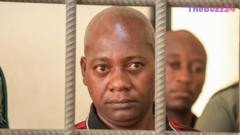
Paul Mackenzie, the controversial leader of the Good News International Ministries, is poised to receive a verdict on grave murder charges, stemming from the deaths of hundreds of his followers in Kenya’s Shakahola forest. Mackenzie and 29 co-accused have pleaded not guilty, denying any coercion in the deaths, which authorities allege were a result of a doomsday doctrine instructing followers to starve themselves and their children to “meet Jesus.”
The horrifying scale of the tragedy came to light with the discovery of over 400 bodies in shallow graves within the Shakahola forest, located near the Kenyan coast. Investigations revealed Mackenzie’s cult forbade education and branded modern medicine as “evil.” Gravediggers, some paid as little as $8 a day, recounted the grim task of unearthing multiple bodies from each grave, often finding children as young as a few weeks old, with some remains showing signs of having been tied and wrapped in bedsheets. The former head of Mackenzie’s security, Enos Amanya Ngala, initially accused, later became a prosecution witness after a plea deal.
The impact of Mackenzie’s teachings devastated families, including Stephen Mwiti, who tragically lost all six of his children to the cult. Mwiti’s former wife is among those accused alongside Mackenzie, and he expressed profound grief and anger, stating he only managed to bury the remains of one son. Despite the overwhelming evidence and personal testimonies of suffering, some former followers, like Peter Shukrani, who himself nearly died from illness due to the ban on medicine, still express loyalty to Mackenzie, believing he did not force anyone. In stark contrast, Mackenzie’s own son, Dan Paul Mackenzie, believes his father is a “murderer of mass killing.”
Beyond the current murder trial, Mackenzie and other cult leaders face a multitude of other legal challenges, including charges related to terrorism, radicalization, and denying children access to education. This upcoming verdict, however, marks the first time the pastor will face judgment on the most serious murder accusations, with court documents indicating that 190 of the 191 victims in this specific case are children. The case continues to highlight the profound dangers of extremist ideologies and the urgent need for accountability.
Key Takeaways
- Paul Mackenzie, leader of Good News International Ministries, faces a murder verdict for allegedly ordering followers to starve their children in Kenya's Shakahola forest.
- Over 400 bodies, predominantly children, have been exhumed from shallow graves, revealing a doctrine that forbade education and modern medicine.
- The case highlights the devastating impact of cults, with victims' families seeking justice while some followers maintain loyalty to Mackenzie despite the horrific deaths.
Editor’s Analysis & Impact
The impending verdict in the Paul Mackenzie case carries significant weight, not just for Kenya but globally, as it underscores the extreme vulnerabilities exploited by cults operating under the guise of religious freedom. While there isn’t a direct ‘market’ impact, the case will undoubtedly intensify scrutiny on religious organizations and potentially prompt legislative reviews concerning oversight and accountability for groups that deviate into harmful practices. The future outlook suggests a precedent-setting judgment that could empower authorities to intervene more decisively in similar situations, prioritizing human rights and safety over unchecked religious autonomy. Broader implications include a renewed focus on public awareness campaigns against extremist ideologies and the critical need for psychological and social support for survivors and affected communities. This tragedy serves as a stark reminder of the societal cost when such abuses go unchecked.
Frequently Asked Questions
Q: Who is Paul Mackenzie?
A: Paul Mackenzie is the leader of the Good News International Ministries in Kenya, currently facing murder charges related to the deaths of over 400 followers, many of whom were children, in Shakahola forest.
Q: What was Mackenzie's doctrine?
A: His doctrine allegedly included forbidding education, deeming modern medicine 'evil,' and instructing followers to starve themselves and their children to 'meet Jesus.'
Q: What is the significance of the upcoming verdict?
A: This marks the first time Pastor Mackenzie will face a verdict on the most serious murder charges, potentially setting a significant legal precedent for accountability in cases of cult-related deaths in Kenya.
AI Disclosure: This article is based on verified data and official reports. Our Team and AI have cross-referenced every financial detail with primary sources to ensure total accuracy.
More from this Category