Japan’s September Export Growth Falls Short of Expectations Amid Global Headwinds
Japan experienced a significant slowdown in export growth for September, expanding by 16.7% compared to the same period last year and missing the more optimistic projections held by financial analysts. This marks the second consecutive month that outbound shipments from the island nation have decelerated, following a peak that reached near four-year highs back in July.
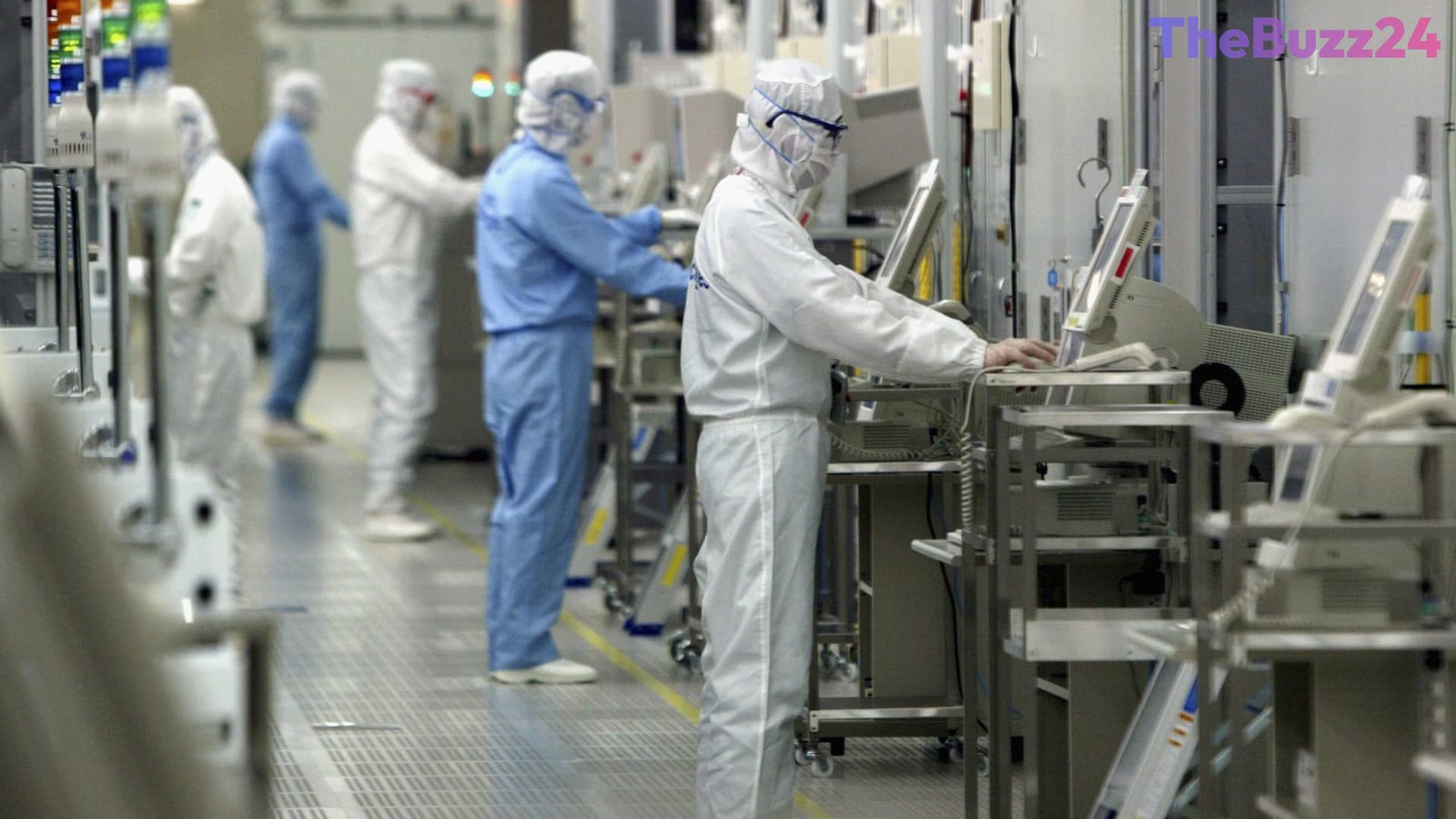
Despite the overall miss, certain sectors continued to show robust performance. Semiconductor shipments surged by 49.4% year-on-year by value, while machinery exports also provided crucial support, driven by a 43.9% increase in semiconductor-related machinery and a 22.6% rise in power generation equipment. Regionally, shipments to mainland China, Japan’s primary trading partner, posted an 8.6% increase, whereas exports to the United States climbed more robustly at 22.9%.
On the import side, Japan recorded an 18.9% increase in September, similarly falling slightly beneath general market forecasts. Petroleum imports jumped significantly by 51.1% in value, largely influenced by a massive surge in inbound shipments from the United States, even as Middle Eastern supplies faced ongoing disruptions. These trade figures arrive just ahead of the Bank of Japan’s upcoming policy meeting, where financial markets widely anticipate the central bank will maintain its benchmark interest rate at 1%.
Key Takeaways
- Japan's September exports grew by 16.7%, missing market consensus expectations.
- This marks the second consecutive month of slowing shipment growth following July's multi-year high.
- Strong semiconductor and machinery exports continued to drive growth despite the broader slowdown.
Editor’s Analysis & Impact
The unexpected deceleration in Japan’s export growth highlights the growing vulnerabilities within the global macroeconomic landscape. While high-tech sectors like semiconductors continue to exhibit strong resilience, softening demand from key international markets poses a challenge for Japan’s economic recovery, which has relied heavily on trade as a primary growth engine throughout the year. Furthermore, shifts in energy import dynamics—particularly the heavy reliance on U.S. petroleum due to constrained Middle Eastern supplies—point to ongoing supply chain realignments. As the Bank of Japan prepares for its policy meeting, these mixed trade indicators will likely reinforce a cautious approach to monetary policy, keeping interest rates steady as policymakers balance inflation pressures against global uncertainties.
Frequently Asked Questions
Q: What was Japan's export growth rate in September?
A: Japan's exports rose by 16.7% year-on-year in September, which was below the roughly 20% growth expected by analysts.
Q: Which sectors drove Japan's export growth in September?
A: Growth was largely supported by robust semiconductor exports, which rose 49.4%, alongside semiconductor-related machinery and power generation machinery.
Q: Who are Japan's top trading destinations mentioned in the data?
A: Mainland China remains Japan's largest trading partner, with exports rising 8.6%, while exports to the U.S. climbed 22.9%.
AI Disclosure: This article is based on verified data and official reports. Our Team and AI have cross-referenced every financial detail with primary sources to ensure total accuracy.
More from this Category