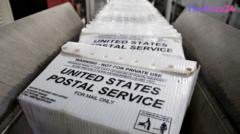
International Sting: Pakistan Arrests Alleged Mastermind Behind $126 Million US Postage Fraud
Pakistan’s cybercrime authorities have successfully apprehended an individual accused of orchestrating a vast counterfeit postage operation that reportedly inflicted losses exceeding $126 million upon the United States Postal Service. Faheem Akram, identified as the alleged mastermind, was taken into custody following an international investigation into the fraudulent scheme.
Akram is alleged to have operated LabelsBank.com, a website through which he purportedly sold millions of fake US postage stamps and shipping labels since 2023. The illicit enterprise allowed thousands of customers to ship packages at significantly reduced rates, bypassing legitimate postal charges. Earlier this month, a federal grand jury in Florida indicted Akram for selling over five million counterfeit shipping labels to US customers. The fraudulent website has since been shut down by authorities.
The investigation revealed that more than 5,200 individuals purchased over 5.1 million counterfeit shipping labels, typically sold for $2 each, enabling them to circumvent standard shipping costs based on weight, size, or destination. This widespread fraud resulted in substantial revenue losses for the US Postal Service.
Akram now faces multiple charges, including one count of conspiracy to defraud the United States and to make and sell counterfeit postage stamps, five counts of making and selling counterfeit postage stamp labels, and four counts of wire fraud. If convicted, he could face a maximum of five years in prison for the conspiracy and counterfeit postage charges, and up to 20 years for each wire fraud count.
Key Takeaways
- Pakistani authorities arrested Faheem Akram, accused of orchestrating a $126 million counterfeit US postage fraud scheme.
- Akram allegedly operated LabelsBank.com, selling over 5 million fake shipping labels to thousands of US customers since 2023.
- He faces multiple charges, including wire fraud, with potential prison sentences up to 20 years for each wire fraud count if convicted.
Editor’s Analysis & Impact
This arrest highlights the growing sophistication of cybercrime and its global reach, impacting even traditional services like postal systems. The significant financial loss to the US Postal Service underscores the vulnerability of large organizations to online fraud and the need for robust digital security measures. For the e-commerce and logistics industries, this case serves as a stark reminder of the importance of verifying shipping label authenticity and the potential for illicit activities to undermine fair competition and legitimate business practices. Future implications could include increased international cooperation in cybercrime enforcement and potentially new technologies or verification methods implemented by postal services to combat counterfeiting. The case also emphasizes the legal risks for individuals who knowingly participate in such schemes, even as customers.
Frequently Asked Questions
Q: What was the nature of the fraud committed by Faheem Akram?
A: Faheem Akram is accused of operating a counterfeit postage scheme through LabelsBank.com, selling fake US shipping labels at a fixed low price, regardless of package weight or destination, causing over $126 million in losses to the US Postal Service.
Q: How many people were involved in purchasing the counterfeit labels?
A: Investigations revealed that more than 5,200 individuals purchased over 5.1 million counterfeit shipping labels from Akram's operation.
Q: What are the potential penalties Akram faces if convicted?
A: If convicted, Akram could face up to five years in prison for conspiracy and counterfeit postage charges, and up to 20 years for each of the four wire fraud counts.
AI Disclosure: This article is based on verified data and official reports. Our Team and AI have cross-referenced every financial detail with primary sources to ensure total accuracy.
More from this Category