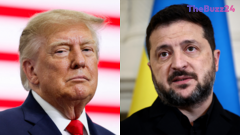
Diplomatic Friction Persists as Kyiv and Washington Navigate Complex Strategic Shifts
Recent high-level diplomatic engagements in Norway have done little to fully erase mounting concerns in Kyiv regarding the trajectory of American foreign policy. Despite a cordial opening gesture between American special envoys and Ukrainian leadership, the underlying tension between the two allied nations remains palpable following a series of contentious policy decisions from the White House.
The friction has manifested across multiple fronts, ranging from trade adjustments involving Russian energy markets to debates over military hardware and intelligence-sharing protocols. Ukrainian officials have frequently voiced frustration over shifting diplomatic postures, pointing to slowed deliveries of critical defense systems and perceived hesitations in Washington regarding long-term strategic backing. Meanwhile, American leadership has maintained a hardline stance, publicly criticizing certain military strategies employed by Kyiv while simultaneously pursuing independent diplomatic channels with Moscow.
Adding to the operational challenges, recent disruptions concerning satellite internet connectivity and early-warning intelligence feeds have underscored the delicate nature of Ukraine’s defense infrastructure. Although American officials have attributed some technological lapses to technical glitches rather than intentional policy changes, the recurrent friction highlights a persistent deficit of mutual trust. As international mediators continue shuttle diplomacy between European capitals and Russian counterparts, the long-term shape of the alliance remains uncertain, leaving international observers closely monitoring the balance of power and diplomatic leverage in the region.
Key Takeaways
- High-level diplomatic meetings in Oslo aimed to ease tensions, but underlying policy disagreements between Washington and Kyiv persist.
- Recent shifts in American sanctions policy and energy trade approaches have sparked alarm among Ukrainian leadership.
- Operational hurdles, including debates over defense equipment supply and intelligence coordination, continue to challenge the bilateral alliance.
Editor’s Analysis & Impact
The strained dynamics between Washington and Kyiv highlight a volatile phase in international geopolitics, where traditional alliances are being recalibrated under transactional diplomacy. The simultaneous pursuit of peace negotiations with Moscow and the imposition of restrictive measures or shifting support for Ukraine creates a complex operational environment for defense markets and regional stability. Long-term implications suggest that European allies may need to assume a greater financial and logistical burden for regional defense, potentially reshaping transatlantic security frameworks and defense manufacturing sectors for years to come.
Frequently Asked Questions
Q: What caused recent tensions between Washington and Kyiv?
A: Tensions have been fueled by disagreements over military strategy, slowed delivery of certain defense assets, changes in American sanctions policy regarding Russia, and disputes concerning intelligence sharing.
Q: Have technical issues impacted Ukraine's military operations?
A: Ukrainian officials have reported temporary disruptions in early-warning intelligence feeds and satellite internet connectivity, though American officials have attributed some of these issues to technical factors.
Q: What is the role of international mediators in this situation?
A: Envoys and international leaders have been holding high-level talks in locations like Oslo and St. Petersburg to help bridge the diplomatic gap and explore potential pathways toward a negotiated settlement.
AI Disclosure: This article is based on verified data and official reports. Our Team and AI have cross-referenced every financial detail with primary sources to ensure total accuracy.
More from this Category