Trump Denies Role in Starlink Service Disruptions Affecting Ukrainian Defenses
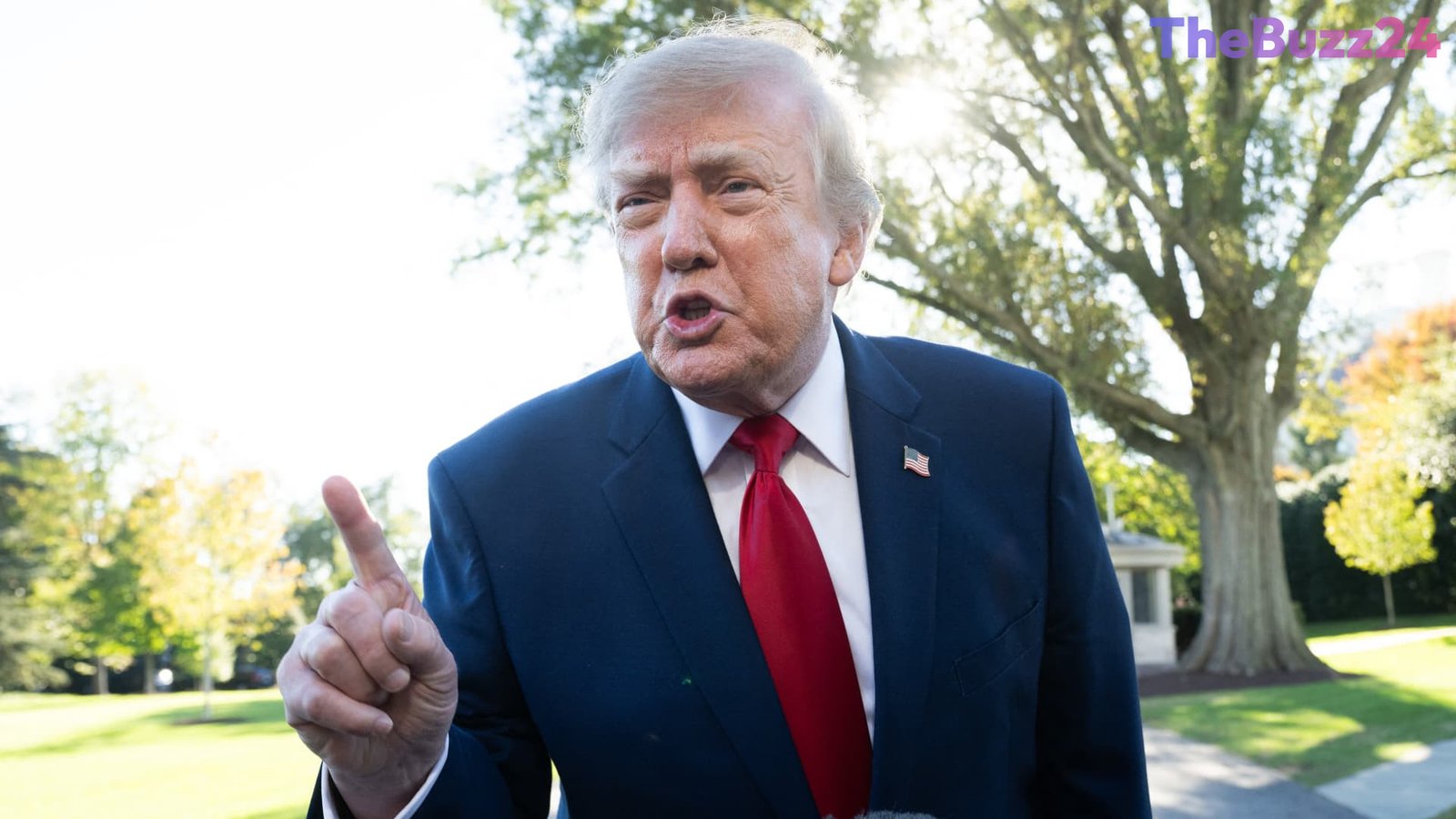
President Donald Trump has officially denied any involvement in the recent slowdown of SpaceX’s Starlink and Starshield satellite services in Ukraine. When questioned about the service disruptions, which have significantly impacted Ukrainian military operations, Trump stated he was not part of the decision-making process and claimed he does not know who was responsible for the speed restrictions.
The disruption has had tangible tactical consequences on the battlefield. The throttling of Starshield, the military-grade version of the satellite network, has reportedly rendered certain Ukrainian drone capabilities ineffective, potentially weakening their ability to defend against Russian attacks. Ukrainian President Volodymyr Zelenskyy has confirmed that his military continues to face speed limitations across various sectors of the front lines, noting that no formal explanation has been provided by the United States regarding these connectivity issues.
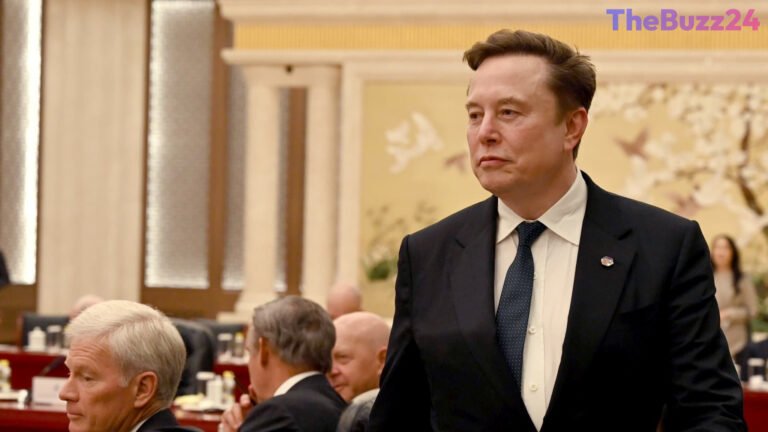
While questions have been raised regarding discussions between SpaceX CEO Elon Musk and the administration, Musk has maintained that Starshield systems are owned and controlled by the U.S. government. He asserted that any limitations on usage or speed are ultimately determined by the U.S. military and the President. In response to the ongoing communication challenges, President Zelenskyy has indicated that Ukraine is actively exploring new international partnerships to develop alternative satellite communication capabilities for its military forces.
Key Takeaways
- President Trump has denied any knowledge or involvement in the decision to throttle Starlink and Starshield services in Ukraine.
- The service slowdown has negatively impacted the effectiveness of Ukrainian drone operations and military defenses.
- Elon Musk maintains that usage limits on military-grade Starshield systems are dictated by the U.S. government and military authorities.
Editor’s Analysis & Impact
The controversy surrounding Starlink’s performance in Ukraine highlights a growing tension between private technological dominance and national security interests. As SpaceX’s satellite infrastructure becomes a critical component of modern warfare, the ability of a single private entity to influence battlefield dynamics creates a complex geopolitical dilemma. This situation underscores the need for clearer protocols regarding the control of dual-use technologies in conflict zones. If private companies hold the keys to essential military communications, the line between corporate policy and state diplomacy becomes dangerously blurred. Moving forward, the international community may see a push for more diversified satellite constellations to prevent reliance on a single provider, as Ukraine’s search for new partners suggests. The outcome of this dispute will likely set a precedent for how much influence private tech moguls can exert over sovereign military operations.
Frequently Asked Questions
Q: How has the Starlink slowdown affected the war in Ukraine?
A: The speed restrictions on Starlink and Starshield have hindered the effectiveness of Ukrainian drones, which are essential for maintaining defenses against Russian military actions.
Q: What is Elon Musk's stance on the Starshield service limits?
A: Musk has stated that because Starshield is owned and controlled by the U.S. government, any limitations on speed or usage are decided by the U.S. military and the President.
AI Disclosure: This article is based on verified data and official reports. Our Team and AI have cross-referenced every financial detail with primary sources to ensure total accuracy.
More from this Category