Southwest Airlines Lowers 2026 Profit Outlook Amid Rising Fuel Costs
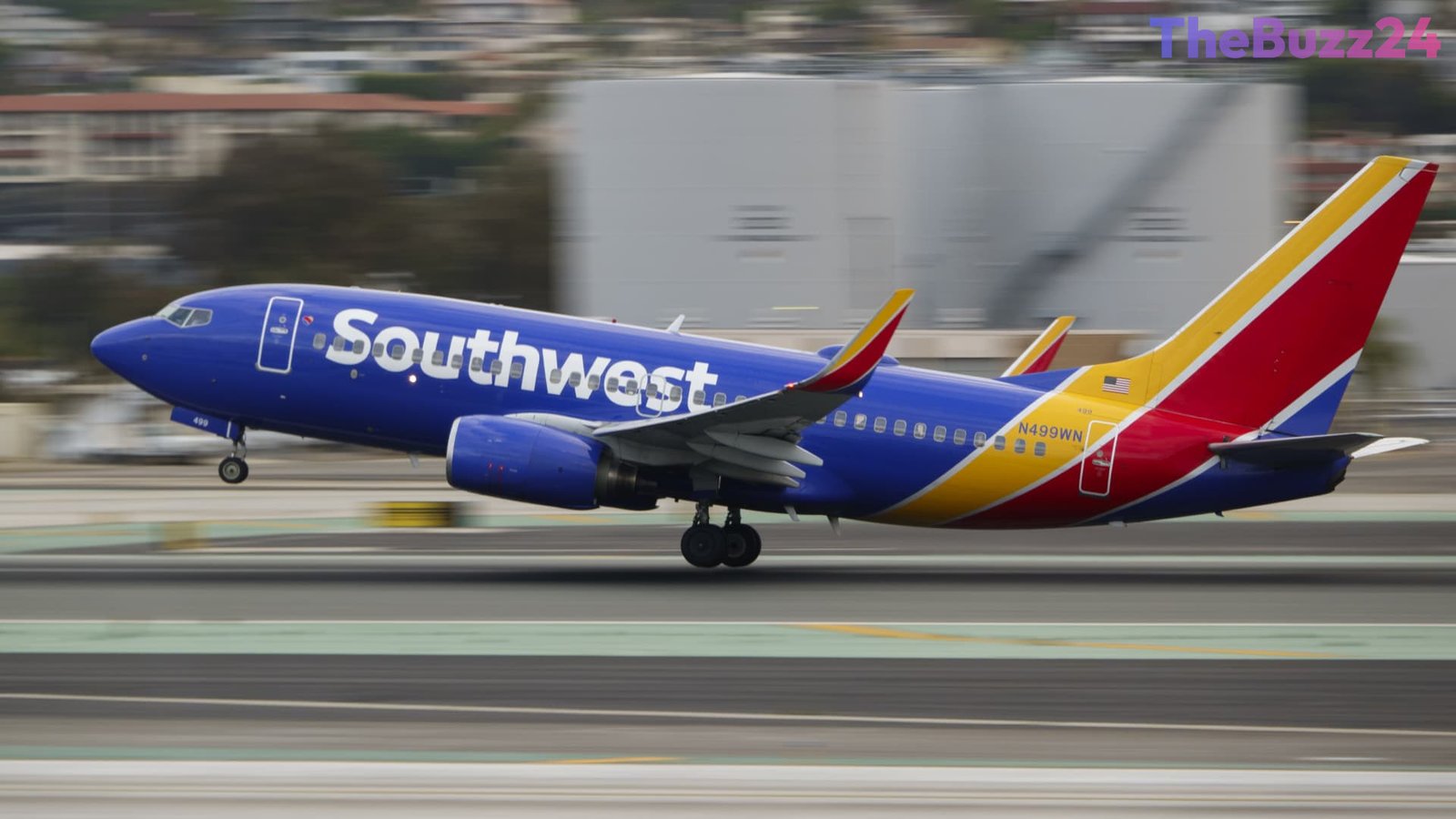
Southwest Airlines has become the latest major U.S. carrier to revise its 2026 profit projections downward, citing the persistent impact of escalating fuel prices on its operational margins. This adjustment follows similar moves by industry peers Delta Air Lines and United Airlines, signaling a broader trend of economic headwinds affecting the aviation sector despite a resilient travel market.
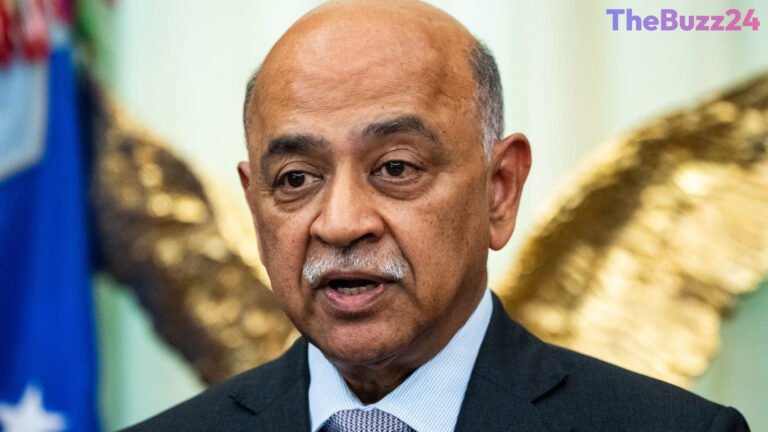
Despite the lowered profit expectations, Southwest CEO Bob Jordan emphasized that consumer demand remains robust. The airline reported a significant increase in average passenger fares, which rose nearly 27% to $231.69 during the third quarter compared to the previous year. While the company saw a slight decline in the total number of revenue passengers, the strength of current bookings suggests that travelers are continuing to prioritize air travel even as costs climb.
In a strategic shift to bolster its financial performance, Southwest is actively moving away from its traditional business model. The airline has begun implementing new revenue-generating policies, including the introduction of seat assignment fees and baggage charges, moving closer to the operational structures of its major competitors. These changes are part of a broader effort to ensure long-term earnings stability in an environment characterized by volatile energy costs and shifting consumer expectations.
Key Takeaways
- Southwest Airlines reduced its 2026 profit forecast due to rising fuel expenses.
- The airline is shifting its business model by introducing seat assignment and baggage fees to increase revenue.
- Despite higher fares, consumer demand for air travel remains strong across the industry.
Editor’s Analysis & Impact
The aviation industry is currently navigating a complex period of transition. The decision by Southwest, Delta, and United to lower profit outlooks underscores the vulnerability of airline margins to fuel price volatility. However, the industry’s ability to maintain high demand despite significant fare hikes suggests that air travel has become a relatively inelastic necessity for many consumers. Southwest’s pivot toward a more traditional ‘unbundled’ revenue model—abandoning its long-standing open seating and free baggage policies—marks a significant cultural shift for the brand. Investors should monitor whether these new revenue streams can effectively offset rising operational costs or if they will eventually lead to a cooling in passenger volume. The long-term outlook remains dependent on the airline’s ability to balance cost-cutting measures with the premium experience that historically defined its market position.
Frequently Asked Questions
Q: Why did Southwest Airlines lower its profit forecast?
A: The airline lowered its forecast primarily due to the rising cost of fuel, which has negatively impacted its bottom line.
Q: How is Southwest changing its business model?
A: Southwest is moving away from its traditional policies by introducing fees for seat assignments and checked bags, aligning its revenue strategy more closely with other major U.S. airlines.
AI Disclosure: This article is based on verified data and official reports. Our Team and AI have cross-referenced every financial detail with primary sources to ensure total accuracy.
More from this Category