Tesla Aims for Year-End Cybercab Launch Amid Regulatory Scrutiny
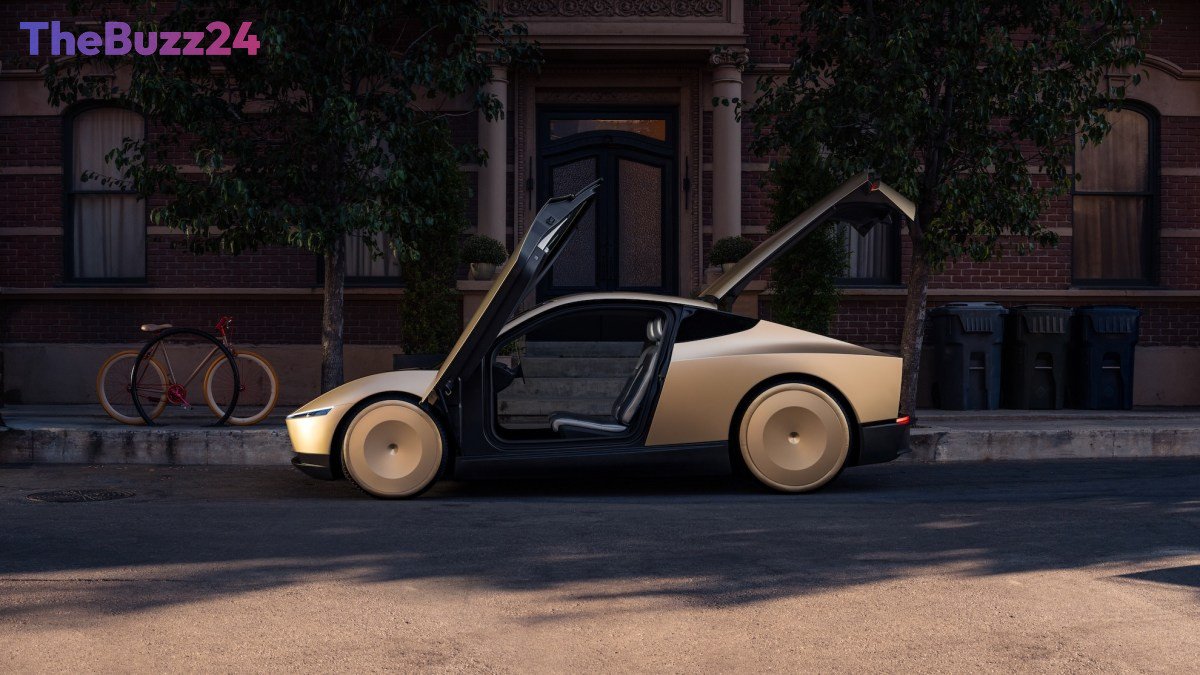
Tesla has announced plans to begin selling its autonomous Cybercab vehicle to customers by the end of this year, a move that comes as federal regulators are examining the vehicle’s compliance with safety standards. The distinctive, gold-hued, two-seater autonomous vehicle notably lacks traditional controls such as a steering wheel.
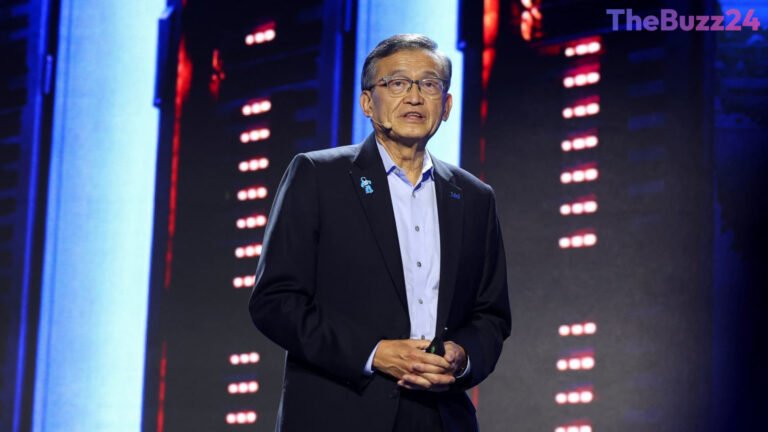
During the company’s third-quarter earnings call, Lars Moravy, vice president of engineering at Tesla, indicated that the initial Cybercabs produced will be integrated into Tesla’s own robotaxi fleet. As this fleet expands, Tesla intends to primarily offer fully autonomous vehicles to its customers, starting with a modest rollout and scaling up based on learnings in delivery, ownership, and fleet management. This strategy marks a shift from earlier concepts that focused on enabling privately owned Tesla vehicles to operate as self-driving taxis via software updates.
While Tesla had previously explored selling autonomous vehicles to third parties, including opening an interest form for robotaxi buyers, the specifics of this plan remained uncertain until now. The company’s CEO, Elon Musk, has long envisioned a large-scale network of affordable robotaxis. However, the current focus on dedicated Cybercabs for a Tesla-operated fleet suggests a recalibration of that vision.
Currently, Tesla offers an advanced driver-assistance system called Full Self-Driving (Supervised), which automates many driving functions but still mandates driver supervision. Musk also stated that an unsupervised, fully self-driving version of FSD is anticipated for customer release in the second quarter of next year, indicating further delays for existing Tesla owners who have invested in the software. If these timelines are met, third-party fleet operators could potentially deploy Cybercabs as robotaxis before Tesla owners gain access to comparable autonomous capabilities in their personal vehicles.
Musk clarified that the Cybercab is designed primarily as a ride-hailing service, akin to ‘transport as a service,’ rather than a vehicle intended for personal ownership, distinguishing it from models like the 3, Y, and Roadster. The majority of Cybercab operations are expected to be managed and owned by Tesla.
A significant hurdle for Tesla’s Cybercab ambitions is an ongoing investigation by the National Highway Traffic Safety Administration (NHTSA). The federal auto safety regulator launched an inquiry into the Cybercab shortly after it began operating on public roads in Austin. The investigation will scrutinize the process and technical data Tesla used for self-certifying the vehicle’s compliance with Federal Motor Vehicle Safety Standards (FMVSS), which traditionally include requirements for manual controls and other features. Current regulations may not fully accommodate vehicles without manual controls, although the Department of Transportation has proposed changes. The outcome of the NHTSA investigation could critically impact the legal operation of the Cybercab.
Key Takeaways
- Tesla plans to launch its autonomous Cybercab for sale by the end of the year, initially for its own robotaxi fleet.
- The Cybercab, lacking traditional controls, is under investigation by NHTSA for compliance with vehicle safety standards.
- Tesla's strategy shifts towards dedicated autonomous ride-hailing vehicles, with a potential delay for unsupervised FSD in personal vehicles until Q2 next year.
Editor’s Analysis & Impact
Tesla’s announcement of the Cybercab’s impending launch, coupled with its focus on a dedicated robotaxi fleet, signals a significant pivot in its autonomous vehicle strategy. While the company aims for a year-end rollout, the ongoing NHTSA investigation presents a substantial regulatory risk that could delay or alter the vehicle’s market entry. This development highlights the complex interplay between rapid technological advancement in autonomous driving and the slower pace of regulatory adaptation. The potential for third-party fleet operators to deploy Cybercabs before individual Tesla owners receive unsupervised FSD capabilities could reshape the competitive landscape of ride-hailing services, provided regulatory hurdles are cleared.
Frequently Asked Questions
Q: What is the Cybercab?
A: The Cybercab is an autonomous, two-seater vehicle developed by Tesla, designed primarily for ride-hailing services. It notably lacks traditional driving controls like a steering wheel.
Q: Why is the Cybercab being investigated by the NHTSA?
A: The National Highway Traffic Safety Administration (NHTSA) is investigating the Cybercab to examine Tesla's self-certification process and technical data regarding its compliance with Federal Motor Vehicle Safety Standards (FMVSS), particularly concerning the absence of manual controls.
Q: When will Tesla's unsupervised Full Self-Driving (FSD) be available?
A: Elon Musk indicated that an unsupervised version of FSD is expected to be rolled out to customers sometime in the second quarter of next year.
AI Disclosure: This article is based on verified data and official reports. Our Team and AI have cross-referenced every financial detail with primary sources to ensure total accuracy.
More from this Category