General Motors Pivots Toward AI and Centralized Compute to Counter Global EV Competition
General Motors is fundamentally reshaping its vehicle development strategy, moving away from traditional mechanical metrics and placing a heavy emphasis on artificial intelligence, centralized computing, and advanced software architecture. During a recent corporate showcase in New York, the legacy automotive giant pulled back the curtain on its upcoming fourth-generation electric vehicle platform. Rather than highlighting conventional engineering specs like suspension geometries or torsional rigidity, the company focused its presentation on revamped electric motors, innovative battery chemistries, and a unified electrical system designed to manage everything from vehicle propulsion to active safety systems.
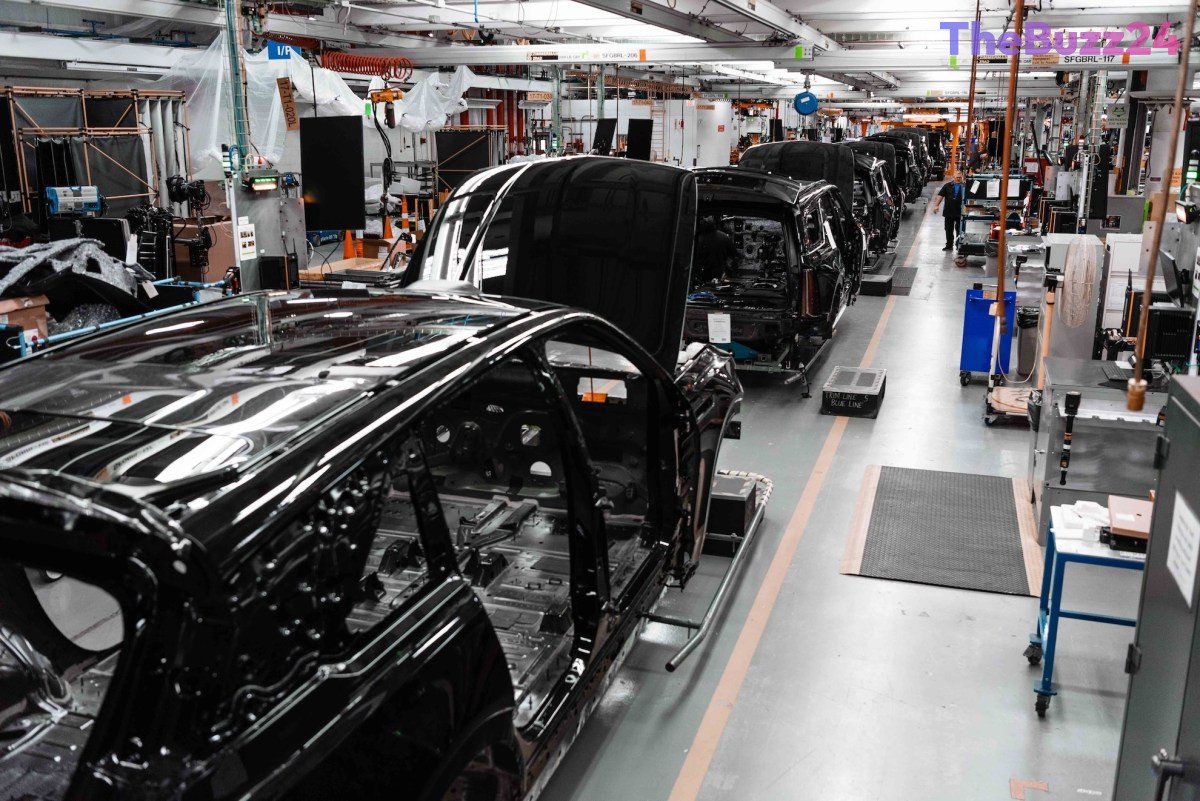
The centerpiece of this technological overhaul is a central compute unit slated to debut in the 2028 Cadillac Escalade IQ. This new hardware architecture is reportedly forty times more powerful than the automaker’s current systems, allowing the company to eliminate countless smaller microchips scattered throughout past models. By centralizing these operations, engineers successfully trimmed thirty percent of the vehicle’s internal wiring, thereby reducing overall weight and streamlining assembly procedures. Alongside this computing leap, the firm plans to roll out an advanced autonomous highway driving system by 2028, enabling drivers to safely take their hands and eyes off the road.
This strategic evolution comes as traditional car manufacturers face intense market pressures from both domestic pioneers and rapidly expanding Chinese competitors. Rivals overseas have disrupted the traditional four-to-five-year manufacturing cycle, cutting development times down to just two or three years. To match this cadence, General Motors is heavily deploying enterprise artificial intelligence tools across its engineering divisions. For instance, teams recently evaluated hundreds of thousands of virtual designs for a new battery pack digitally before building a single physical prototype, compressing a process that once took months into a fraction of the time.
By embracing software-defined vehicle architectures and AI-driven development cycles, the company aims to slash costs and preserve profitability amid a historic industry-wide transformation. While foreign rivals backed by substantial state subsidies and lower labor costs continue to flood international markets with affordable options, this technological pivot gives established legacy automakers a viable framework to modernize. Ultimately, the successful deployment of these next-generation platforms will determine whether traditional automotive titans can maintain their footing against a wave of tech-forward competition.
Key Takeaways
- General Motors announced a fourth-generation EV platform centered on artificial intelligence and a centralized computing architecture.
- A powerful new central compute unit will debut in the 2028 Cadillac Escalade IQ, reducing internal wiring by 30%.
- The automaker is utilizing enterprise AI tools to slash vehicle development timelines and better compete with fast-moving Chinese manufacturers.
Editor’s Analysis & Impact
The pivot by General Motors underscores a broader, undeniable industry truth: modern automotive success is no longer dictated solely by mechanical performance, but by software agility and silicon capability. As Chinese automakers compress vehicle development cycles and introduce cost-efficient models globally, legacy manufacturers are forced to rethink foundational engineering principles. By centralizing compute power and integrating advanced AI into the design phase, GM is attempting to bridge the innovation gap with tech-first pioneers like Tesla. However, the true test will lie in execution—translating multi-billion-dollar software investments into reliable, market-ready autonomous features while defending profit margins against severe global price competition.
Frequently Asked Questions
Q: When will General Motors launch its new central computing platform?
A: The new central computing platform and electrical architecture are set to debut in 2028, starting with the Cadillac Escalade IQ.
Q: How does the new central compute unit improve vehicle design?
A: The new unit is forty times more powerful than existing systems, eliminating numerous smaller chips, reducing internal wiring by 30%, and simplifying the overall assembly process.
Q: Why is General Motors accelerating its vehicle development timeline?
A: GM is speeding up its development cycles using enterprise AI tools to match the rapid pace of Chinese automakers, who typically bring new vehicles to market in two to three years.
AI Disclosure: This article is based on verified data and official reports. Our Team and AI have cross-referenced every financial detail with primary sources to ensure total accuracy.
More from this Category