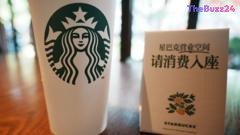
Starbucks China Implements Mandatory Purchase Policy for In-Store Seating
Starbucks has officially introduced a new seating policy across its 8,000 locations in China, requiring patrons to make a purchase if they wish to utilize the cafe’s seating areas. The company stated that this shift is designed to enhance the overall in-store experience for paying customers, ensuring that space remains available for those actively supporting the business.
This policy change comes as the global coffee giant faces intense pressure in the Chinese market, where it has recently been overtaken by domestic competitors like Luckin Coffee. Local rivals have gained significant market share by leveraging app-based, grab-and-go models that prioritize efficiency over the traditional ‘third-place’ cafe experience that Starbucks has historically championed. The move to restrict seating is seen as a strategic effort to reclaim the brand’s premium positioning and manage store capacity during peak hours.
Public reception on social media platforms in China has been largely positive, with many customers expressing frustration over non-paying individuals occupying tables for extended periods. The policy aligns with broader global trends for the company, which has been tightening its open-door policies in North America and South Korea to address issues related to seat-hogging and the misuse of facilities. Beyond the seating mandate, Starbucks China has announced plans to bolster its digital infrastructure and increase staffing levels to improve service speed and efficiency.
Key Takeaways
- Starbucks China now requires a purchase for customers to use in-store seating across all 8,000 locations.
- The policy aims to address overcrowding and improve the experience for paying customers amidst stiff competition from local brands like Luckin Coffee.
- The shift reflects a global trend for the company, which has moved away from unrestricted open-door policies in other international markets.
Editor’s Analysis & Impact
The implementation of a mandatory purchase policy in China represents a critical pivot for Starbucks as it struggles to maintain its market dominance against agile, tech-forward local competitors. By prioritizing paying customers, Starbucks is attempting to protect its brand identity as a premium destination while simultaneously addressing the operational inefficiencies caused by non-paying patrons. However, this strategy carries risks; it may alienate customers who value the ‘third-place’ concept that originally fueled the company’s global growth. As the coffee market in China continues to evolve toward high-speed, digital-first consumption, Starbucks must balance its traditional cafe model with the operational realities of a crowded, highly competitive landscape. The success of this policy will likely depend on whether the company can successfully pair these restrictions with improved service speed and digital integration.
Frequently Asked Questions
Q: Does this policy apply to all Starbucks locations globally?
A: No, this specific policy update is currently focused on Starbucks China stores, though the company has implemented similar measures to restrict seating in other regions like North America and South Korea.
Q: Why is Starbucks changing its seating policy in China?
A: The company aims to improve the in-store experience for paying customers and manage seating capacity, which has been strained by non-paying individuals during peak hours, especially as it faces increased competition from local chains.
AI Disclosure: This article is based on verified data and official reports. Our Team and AI have cross-referenced every financial detail with primary sources to ensure total accuracy.
More from this Category