Diplomatic Tensions Escalate as U.S. Embassy Accuses Canada of Election Interference
The U.S. Embassy in Ottawa has formally accused Canadian government officials of attempting to influence the upcoming U.S. midterm elections. In a recently released fact sheet, the embassy alleged that Canadian leadership has dismissed concerns regarding potential interference, despite evidence that ministers and provincial leaders are actively strategizing to sway American political outcomes through official policy and public engagement.
The accusations center on specific actions taken by Canadian officials, including high-level meetings with U.S. Democratic figures and the strategic implementation of retaliatory tariffs. The U.S. embassy pointed to comments made by Industry Minister Mélanie Joly regarding her outreach to U.S. governors and potential presidential candidates, as well as suggestions from Ontario Premier Doug Ford to target tariffs toward states that serve as key political strongholds for the current administration.
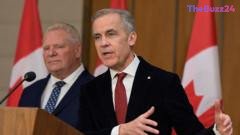
Canadian Prime Minister Mark Carney and his cabinet have vehemently denied these allegations, framing their actions as necessary measures to protect Canadian jobs and economic interests in response to U.S. trade policies. During a press conference announcing a C$9 billion aid package, Carney emphasized that his government’s focus remains on supporting Canadian families and workers rather than engaging in foreign electoral politics. Premier Ford also rejected the claims, stating that his primary objective is to provide economic stability for Ontario.
This diplomatic friction occurs against a backdrop of strained relations between the two nations, characterized by ongoing disputes over trade and tariffs. As the midterm elections approach, the situation remains volatile, with public sentiment in Canada increasingly critical of the current U.S. diplomatic approach. A petition calling for the removal of U.S. Ambassador to Canada Pete Hoekstra has already garnered significant public support, reflecting the deepening divide between the two North American neighbors.
Key Takeaways
- The U.S. Embassy in Ottawa has accused Canadian officials of attempting to influence the U.S. midterm elections through strategic trade policies and political outreach.
- Canadian Prime Minister Mark Carney and Ontario Premier Doug Ford have denied the allegations, asserting that their actions are strictly intended to protect the Canadian economy from U.S. tariffs.
- The diplomatic dispute has led to a significant public backlash in Canada, including a petition with over 280,000 signatures calling for the removal of the U.S. Ambassador.
Editor’s Analysis & Impact
The escalation of rhetoric between Washington and Ottawa signals a significant breakdown in one of the world’s most stable bilateral relationships. By framing trade-related economic defense as ‘election interference,’ the U.S. administration is effectively weaponizing diplomatic discourse to pressure Canada during a critical election cycle. This move carries substantial risks; it not only alienates a key trading partner but also risks long-term damage to North American economic integration. If these accusations persist, we may see a shift toward more protectionist policies on both sides of the border, potentially disrupting supply chains and increasing costs for consumers. The future outlook suggests that unless a diplomatic off-ramp is found, the trade war will likely intensify, forcing businesses to navigate an increasingly unpredictable regulatory environment.
Frequently Asked Questions
Q: Why is the U.S. Embassy accusing Canada of election interference?
A: The U.S. Embassy alleges that Canadian officials are using retaliatory tariffs and meetings with U.S. political figures to influence the outcome of the American midterm elections.
Q: How has the Canadian government responded to these accusations?
A: Canadian leaders, including Prime Minister Mark Carney, have denied the claims, stating that their actions are defensive measures designed to protect Canadian jobs and the economy from U.S. trade policies.
AI Disclosure: This article is based on verified data and official reports. Our Team and AI have cross-referenced every financial detail with primary sources to ensure total accuracy.
More from this Category