Economic Discontent Deepens Ahead of Midterms, Shifting Political Landscape
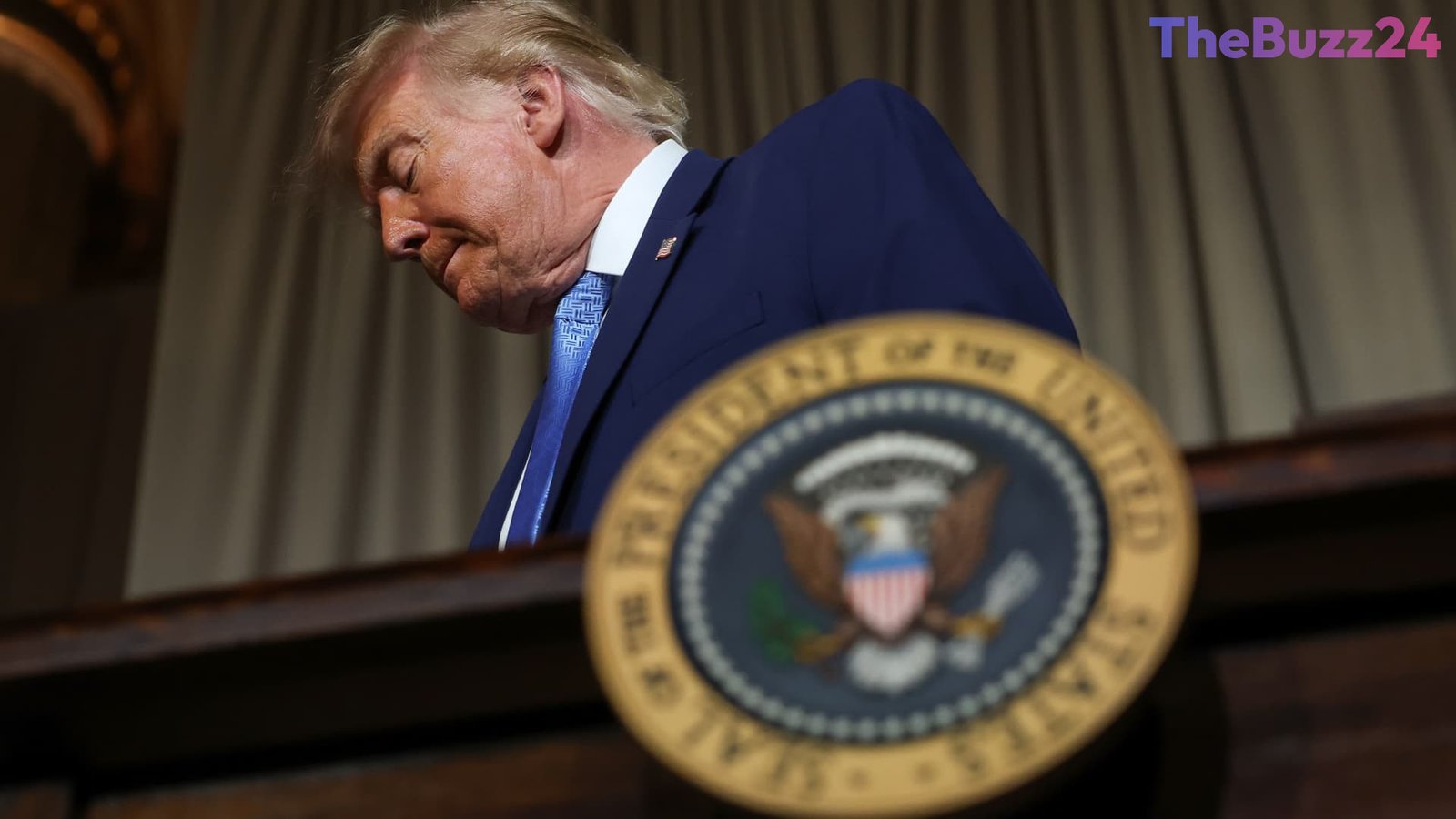
President Donald Trump’s economic approval rating has plummeted to an unprecedented low, with a significant majority of Americans, 65%, expressing disapproval. This sharp decline in confidence comes as widespread economic pessimism grips the nation, notably intensifying even among Republican voters in recent months.
With congressional elections fast approaching, a recent survey of 1,000 registered voters reveals a clear preference for Democratic control of Congress, with 52% favoring Democrats compared to 45% for Republicans. This seven-point lead marks a three-point gain for Democrats since a similar survey conducted in July. The prevailing sentiment indicates that nearly eight out of ten Americans rate the current economy as merely fair or poor, a level of gloom not seen since late 2023 and a potentially troubling indicator for Republican candidates facing an uphill battle in the upcoming midterms.
The shift in economic outlook is particularly striking among Republicans, where pessimism has risen by six points since July, reaching the highest level recorded during either of Trump’s terms. While Democrats and independents remain intensely downbeat, the erosion of economic optimism within the Republican base is a critical factor. Key issues driving voter concern include government corruption, identified as the top concern by 36% of respondents, and the escalating cost of food and gas, which collectively represent the primary worry for 57% of voters. Democrats are perceived to have a stronger hand in addressing these critical issues, further bolstering their position.
Despite the significant drop in economic approval, President Trump’s overall approval rating has remained relatively stable at 40% approval and 59% disapproval. However, the nine-point decline in his net economic approval rating since July underscores a distinct disconnect between his general standing and public perception of his economic stewardship. This economic discontent extends to competitive Senate races, where respondents in eight key states show a four-point preference for Democratic congressional control, despite Trump having carried those states by a combined ten points in the 2024 presidential election. Pollsters suggest these trends indicate a potential tilt towards Democrats, driven by a return of young voters and voters of color to the Democratic fold, alongside independents expressing dissatisfaction with current economic policies.
Key Takeaways
- President Trump's economic approval rating has reached an unprecedented low, with 65% of Americans expressing disapproval.
- Widespread economic pessimism, including a significant rise among Republicans, is influencing voter sentiment ahead of the midterm elections.
- Voters show a clear preference for Democratic control of Congress, driven by concerns over government corruption and the rising cost of living, particularly food and gas prices.
Editor’s Analysis & Impact
The significant decline in economic approval for President Trump, coupled with rising pessimism across the political spectrum, signals a challenging environment for the incumbent party in the upcoming midterm elections. This widespread discontent could lead to shifts in legislative priorities if Democrats gain greater control, potentially impacting sectors sensitive to consumer spending and regulatory changes. The erosion of economic optimism even within the Republican base is a critical development, suggesting that cost-of-living issues are transcending traditional party lines. This trend could reshape political discourse and campaign strategies, forcing a greater focus on tangible economic relief measures and accountability for perceived corruption, regardless of party affiliation.
Frequently Asked Questions
Q: What is President Trump's current economic approval rating?
A: President Trump's economic approval rating has fallen to an all-time low of 34%, with 65% of Americans disapproving of his economic performance.
Q: What are the primary concerns driving voter pessimism?
A: Voters are primarily concerned about government corruption and the rising cost of living, particularly the prices of food and gas, which are top worries for a majority of respondents.
Q: How do voters currently view control of Congress?
A: A majority of registered voters (52%) currently express a preference for Democratic control of Congress, compared to 45% who favor Republican control.
AI Disclosure: This article is based on verified data and official reports. Our Team and AI have cross-referenced every financial detail with primary sources to ensure total accuracy.
More from this Category