Nearly 1,000 Arrested Across France as Demonstrations Turn Violent
Law enforcement agencies across France detained nearly 1,000 individuals as hundreds of thousands took to the streets for another weekend of widespread demonstrations, which ultimately deteriorated into localized clashes. While the majority of the marches began peacefully, tensions escalated by Saturday evening, prompting security forces to deploy tear gas and water cannons in major urban centers including Paris, Marseille, and Bordeaux.
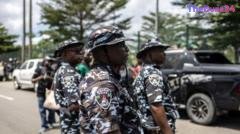
The demonstrations, driven by mounting frustrations over the rising cost of living, taxation policies, and educational conditions, drew hundreds of thousands of participants nationwide. Officials estimated the crowd size at over 400,000, while labor unions placed the figures significantly higher. In response to severe civil unrest witnessed in previous weeks, authorities deployed a massive security apparatus consisting of approximately 70,000 police officers, restricting unauthorized gatherings and implementing stringent measures to curb potential looting and property destruction.
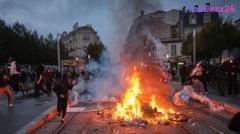
Despite heavy police presence, pockets of radical activists engaged in property damage, setting fire to street barricades and smashing storefront windows. In Paris, elite tactical units intervened as masked groups hurled projectiles at security forces. Similar scenes unfolded in Marseille and Bordeaux, where protesters utilized debris and metal sheets to obstruct roadways. Interior officials confirmed that the vast majority of arrests stemmed from acts of vandalism, arson, and violent clashes, with several individuals sustaining injuries during the confrontations.
The wave of civil disobedience is not isolated to France, as similar anti-government and cost-of-living protests erupted in multiple European cities, including Barcelona, Tirana, and Brussels. As the political pressure mounts on President Emmanuel Macron’s administration, demonstrators continue to demand systemic economic reforms, signaling ongoing challenges for the government as it attempts to balance public safety with the right to protest ahead of upcoming political milestones.
Key Takeaways
- Close to 1,000 people were arrested following clashes between protesters and police across multiple French cities.
- Demonstrations were sparked by widespread public anger over the rising cost of living, taxes, and educational conditions.
- Authorities deployed roughly 70,000 police officers and utilized tear gas and water cannons to contain radical factions and prevent widespread looting.
Editor’s Analysis & Impact
The persistent civil unrest in France highlights a deep-seated economic and social fracture that extends far beyond a single policy dispute. The convergence of cost-of-living pressures, taxation grievances, and generational despair poses a significant challenge to the current administration. From a macroeconomic perspective, these recurring disruptions inflict substantial financial damage on local commerce, tourism, and retail sectors, while draining public resources through massive security deployments. Looking forward, the administration faces a delicate balancing act: addressing the structural demands of the populace without capitulating to violent fringes. How the government manages these escalating tensions will likely shape the broader European political landscape, particularly as inflationary pressures continue to strain working-class households across the continent.
Frequently Asked Questions
Q: What triggered the mass protests in France?
A: The protests were primarily driven by public frustration over the high cost of living, heavy taxation, poor school conditions, and perceived economic neglect by the government.
Q: How many police officers were deployed to manage the demonstrations?
A: Approximately 70,000 police officers were mobilized across various French cities to maintain order and prevent the widespread looting and destruction seen in previous weeks.
Q: Were similar protests observed outside of France?
A: Yes, similar demonstrations and clashes driven by economic grievances and student protests also occurred in other European cities, including Barcelona, Tirana, and Brussels.
AI Disclosure: This article is based on verified data and official reports. Our Team and AI have cross-referenced every financial detail with primary sources to ensure total accuracy.
More from this Category