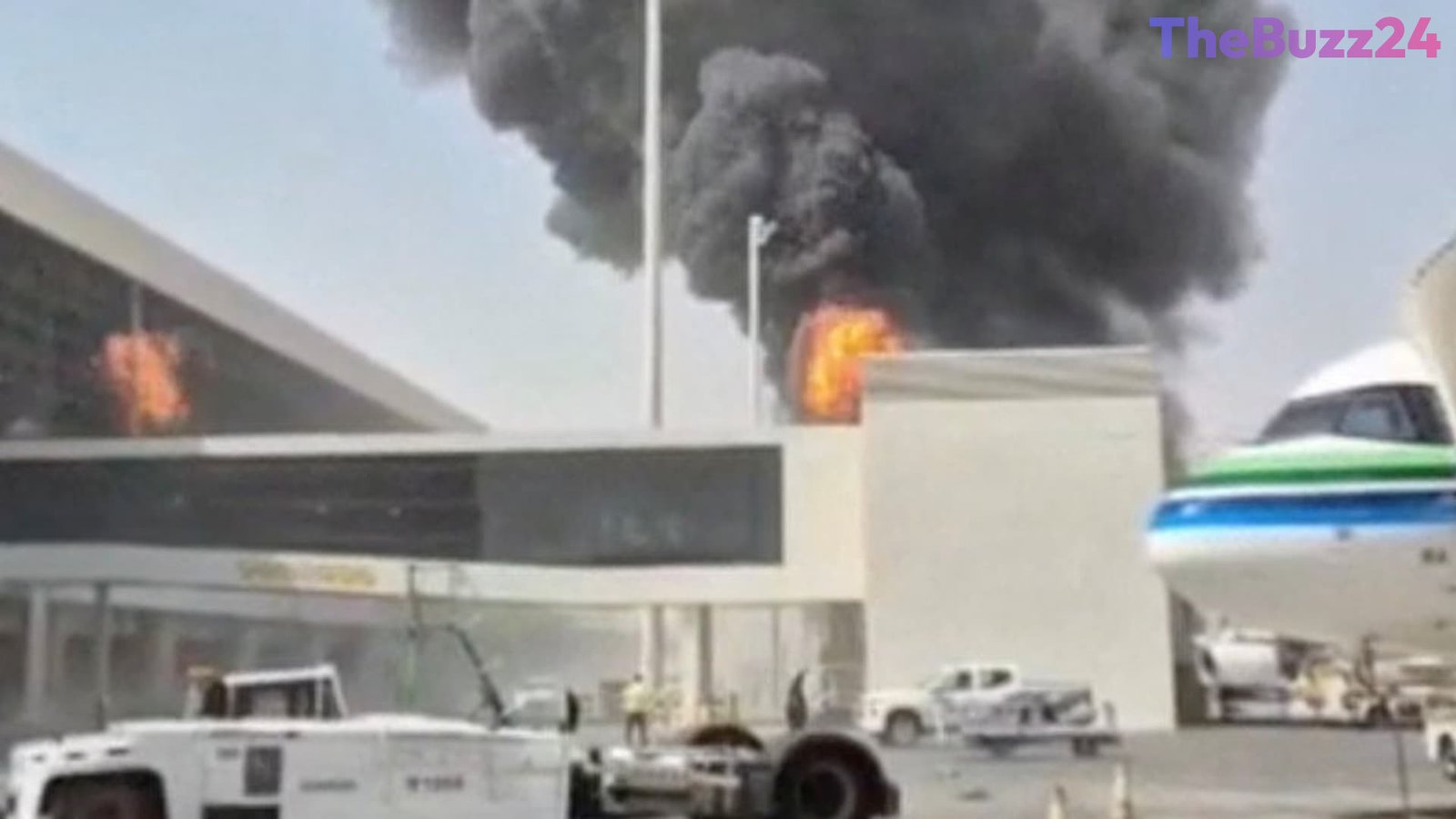
Escalating Regional Tensions: Saudi Arabia Intercepts Wave of Houthi Aerial Attacks
Saudi Arabia’s coalition forces successfully intercepted a series of ballistic missiles and drones launched by Iran-backed Houthi rebels on Sunday. The aerial assault targeted multiple locations across the kingdom, including the capital city of Riyadh, the southern region, and the city of Khamis Mushait. Military officials confirmed that the incoming projectiles were neutralized before reaching their intended targets, preventing further casualties.
The Houthi movement claimed responsibility for the operation, stating they utilized a combination of drones and ballistic missiles to strike critical infrastructure. Among the cited targets were King Khalid International Airport and key facilities belonging to the energy giant Saudi Aramco in Yanbu. While the airport briefly suspended operations following the incident, it has since resumed domestic and international flights.
This latest surge in hostilities comes amid heightened geopolitical anxiety regarding the stability of the Middle East. Investors and global markets are closely monitoring the situation, as the combination of regional conflict and the potential for broader military involvement has contributed to significant volatility in the energy sector. Brent crude prices recently hit a six-month high, reflecting market fears over potential supply chain disruptions and the possibility of further military escalation in the region.
Key Takeaways
- Saudi coalition forces intercepted multiple Houthi-launched drones and ballistic missiles targeting Riyadh and key energy infrastructure.
- Houthi rebels claimed the attacks were part of a coordinated military operation against Saudi airports and Saudi Aramco facilities.
- Geopolitical instability and fears of supply disruptions have driven Brent crude oil prices to their highest levels in six months.
Editor’s Analysis & Impact
The recent escalation in aerial attacks against Saudi Arabia underscores the persistent fragility of regional security and its direct correlation with global energy markets. By targeting critical infrastructure like Saudi Aramco facilities, the Houthi rebels are effectively weaponizing energy supply chains to exert geopolitical pressure. The market’s reaction—a sharp rise in Brent crude—demonstrates that investors are pricing in a ‘risk premium’ associated with the potential for a wider conflict involving Iran and Western powers. Moving forward, the primary concern for the global economy is not just the immediate damage from these strikes, but the potential for a sustained disruption in oil production. As long as the diplomatic impasse remains, energy prices will likely remain sensitive to any news of military activity in the region, keeping volatility high for the foreseeable future.
Frequently Asked Questions
Q: What was the primary target of the recent Houthi attacks?
A: The attacks targeted several locations in Saudi Arabia, including the capital city of Riyadh, the southern region, Khamis Mushait, and energy facilities owned by Saudi Aramco in Yanbu.
Q: How have these attacks impacted the global oil market?
A: The ongoing conflict and fears of potential supply disruptions have caused significant concern among investors, leading to a surge in oil prices, with Brent crude reaching a six-month high.
AI Disclosure: This article is based on verified data and official reports. Our Team and AI have cross-referenced every financial detail with primary sources to ensure total accuracy.
More from this Category