Tragedy Strikes Ebola Response in DR Congo Amid Regional Spread Concerns
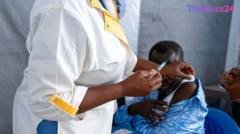
A dedicated nurse has lost her life and a colleague sustained serious injuries during a violent assault in the north-eastern region of the Democratic Republic of Congo. The healthcare workers were actively responding to an Ebola alert when local youths targeted them, falsely accusing the medical team of contaminating local water supplies and intentionally spreading the deadly virus. This incident highlights the ongoing hostility and dangerous misinformation plaguing containment efforts.
In response to the escalating crisis and the cross-border movement of the virus, neighbouring Uganda has implemented strict travel prohibitions. All non-essential cross-border movement to and from the Democratic Republic of Congo is now halted, and returning Ugandan citizens face mandatory 21-day quarantine periods at their own expense. These measures follow confirmed cases in regional hubs like Kenya and Nigeria, where patients traced their transit routes through the area, prompting heightened surveillance and rigorous health screenings at international borders.
The current epidemic has already claimed thousands of lives and infected nearly 10,000 individuals since it emerged. International health authorities continue to stress the critical need to protect medical personnel, emphasizing that frontline workers must be allowed to perform their duties safely and with dignity. Meanwhile, health ministries across multiple nations are tracing travel histories and monitoring contacts to prevent further transmission of the rare virus strain, underscoring the persistent vulnerability of interconnected regional communities.
Key Takeaways
- A nurse was killed and another health worker injured by local youths in DR Congo over false Ebola contamination rumors.
- Uganda instituted a ban on non-essential travel to and from DR Congo alongside mandatory 21-day quarantines for returning citizens.
- International health organizations emphasize the urgent need to protect frontline medical personnel amid ongoing regional outbreaks.
Editor’s Analysis & Impact
The tragic death of a nurse responding to the Ebola outbreak in the Democratic Republic of Congo underscores a persistent and formidable challenge in epidemic management: community mistrust and misinformation. When local populations direct hostility toward healthcare workers, containment efforts are severely crippled, allowing infectious diseases to propagate unchecked. Furthermore, the cross-border transmission observed in neighboring countries like Kenya and Nigeria demonstrates how highly interconnected regional travel can rapidly escalate a localized health emergency into a broader geopolitical and public health crisis. The stringent travel restrictions and quarantine protocols adopted by Uganda reflect a growing desperation among regional governments to insulate their populations. Moving forward, public health strategies must prioritize rigorous community engagement and security for medical personnel alongside traditional clinical interventions to successfully arrest the spread of such virulent pathogens.
Frequently Asked Questions
Q: Why were the healthcare workers attacked in DR Congo?
A: The healthcare workers were targeted by local youths who spread false rumors accusing them of contaminating water sources and intentionally propagating the Ebola virus.
Q: What new travel restrictions has Uganda implemented?
A: Uganda has banned all non-essential travel to and from the Democratic Republic of Congo and mandated a 21-day quarantine at their own cost for all returning citizens.
Q: How does the Ebola virus typically spread?
A: The virus is transmitted from person to person through direct contact with infected bodily fluids, such as blood, vomit, or other secretions.
AI Disclosure: This article is based on verified data and official reports. Our Team and AI have cross-referenced every financial detail with primary sources to ensure total accuracy.
More from this Category